- Sự miêu tả
Sự miêu tả
Aluminized Steel Pipe vs Galvanized Steel: The Definitive Corrosion and Temperature Comparison Guide
Choosing between aluminized steel pipe and galvanized steel pipe depends on more than corrosion resistance alone. These two coating technologies are designed for different working environments. One focuses on high-temperature oxidation protection, while the other relies on sacrificial corrosion protection in normal atmospheric conditions.
Aluminized steel uses an aluminum-silicon alloy coating to protect steel under heat and aggressive gases, while galvanized steel uses a zinc coating mainly designed for moisture and atmospheric corrosion resistance. Understanding their differences helps engineers select the right material for industrial piping, hệ thống xả, heat equipment, and outdoor structures.
Fundamental Difference Between Aluminized and Galvanized Coatings
The biggest difference between these two materials is the chemical nature of the coating layer and the way it protects the steel substrate.
| Comparison Item | Ống thép Aluminized | Ống thép mạ kẽm |
|---|---|---|
| Thành phần lớp phủ | Lớp phủ hợp kim nhôm-silic (Al about 90% + Si about 10%) | mạ kẽm (Zn-based) |
| Protection Method | Barrier protection + aluminum oxide passivation | Sacrificial zinc protection |
| Main Advantage | Chống oxy hóa ở nhiệt độ cao | Chống ăn mòn khí quyển |
Temperature Resistance: Why High Heat Requires Aluminized Steel
Temperature capability is one of the most important differences between these two coatings.
Aluminized steel can maintain protective performance at temperatures approaching approximately 677°C because aluminum forms a stable aluminum oxide layer on the surface. This oxide film slows oxygen diffusion and protects the steel substrate from rapid oxidation.
Galvanized steel is mainly designed for ambient and moderately warm environments. Zinc has a melting point of approximately 419°C, and the coating performance decreases significantly when exposed to elevated temperatures.
| Performance Factor | Thép Aluminized | Thép mạ kẽm |
|---|---|---|
| Recommended Temperature Range | Suitable for high-temperature environments up to around 677°C | Generally suitable for lower-temperature service |
| High-Temperature Oxidation | Excellent protection | Limited performance |
| Heat Equipment Application | Preferred choice | Usually not recommended |
Corrosion Protection Mechanism Comparison
Thép mạ kẽm: Sacrificial Anode Protection
The zinc coating on galvanized steel provides cathodic protection. When the coating is damaged and the steel substrate is exposed, zinc corrodes preferentially and protects the steel from rusting.
This makes galvanized steel highly effective for outdoor structures, môi trường ẩm ướt, and applications where mechanical damage may occur.
Thép Aluminized: Barrier and Passivation Protection
Aluminized steel protects through a combination of physical separation and aluminum oxide formation. The aluminum coating creates a stable barrier that reduces oxidation under heat exposure.
Tuy nhiên, if the coating is severely damaged and the steel substrate becomes exposed, additional repair measures may be required because aluminum does not provide the same sacrificial protection behavior as zinc.
Environmental Suitability Comparison
| Environment | Recommended Material | Reason |
|---|---|---|
| Outdoor atmosphere | Thép mạ kẽm | Zinc sacrificial protection works effectively |
| Humid and marine environment | Thép mạ kẽm | Better protection against atmospheric corrosion |
| High-temperature exhaust gas | Thép aluminized | Stable aluminum oxide protection |
| Boiler and heat recovery systems | Thép aluminized | Better oxidation resistance |
Cost and Service Life Comparison
Aluminized steel usually requires a higher initial investment because aluminum alloy coatings provide better high-temperature performance. In many applications, the initial cost difference is approximately 20-40% compared with galvanized steel.
Tuy nhiên, in high-temperature environments, aluminized steel can provide significantly longer service life because the coating remains stable under oxidation conditions where zinc coatings cannot perform effectively.
| Factor | Thép Aluminized | Thép mạ kẽm |
|---|---|---|
| Initial Cost | Cao hơn | Thấp hơn |
| High-Temperature Service Life | Can reach 2-3 times longer in suitable applications | Limited by zinc temperature performance |
| Long-Term Value | Better for heat-related applications | Better for normal corrosion environments |
Material Selection Decision Guide
| Operating Condition | Recommended Choice | Reason |
|---|---|---|
| Below 100°C outdoor application | Thép mạ kẽm | Cost-effective corrosion protection |
| Continuous heat exposure | Thép aluminized | Khả năng chống oxy hóa vượt trội |
| Exhaust and furnace systems | Thép aluminized | Designed for hot gas environments |
| General construction structures | Thép mạ kẽm | Excellent atmospheric protection |
Common Misunderstanding: Aluminized Steel Is Not Simply “Better Galvanized Steel”
Aluminized steel and galvanized steel are not upgraded and downgraded versions of the same product. They are engineered for different environments.
Galvanized steel is optimized for moisture and atmospheric corrosion through zinc sacrificial protection. Aluminized steel is optimized for heat, quá trình oxy hóa, and corrosive gases through aluminum oxide protection.
Choosing the wrong coating system may increase maintenance costs even if the initial material price appears lower.
Teda Ganghua Aluminized Steel Pipe Solutions
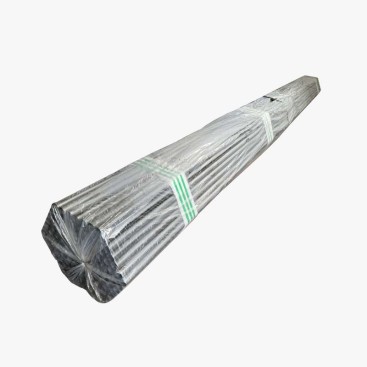
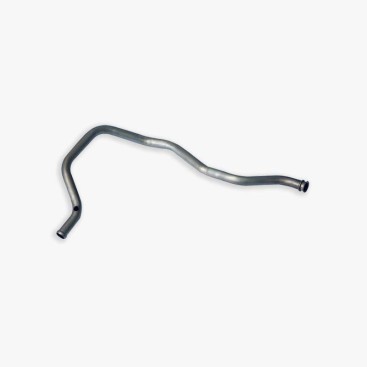
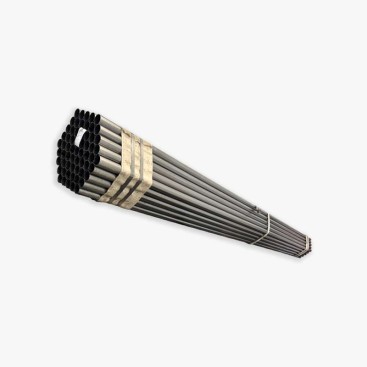
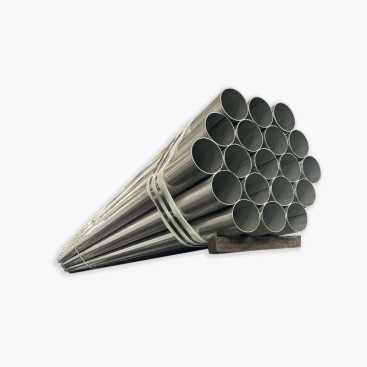
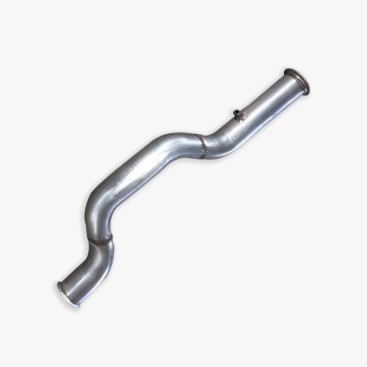
Teda Ganghua provides aluminized steel pipe solutions for applications requiring high-temperature oxidation resistance, Bảo vệ ăn mòn, and reliable long-term performance. The products are widely used in automotive exhaust systems, heat equipment, industrial piping, and other demanding environments.
For projects requiring stable performance under heat and corrosive conditions, Vật tư Teda Ganghua ống thép tráng nhôm designed for high-temperature applications where conventional galvanized coatings cannot meet service requirements.
Câu hỏi thường gặp
1. Is aluminized steel better than galvanized steel?
Neither material is universally better. Aluminized steel is better for high-temperature applications, while galvanized steel is better for normal atmospheric corrosion protection.
2. Can galvanized steel be used at high temperatures?
Galvanized steel is not recommended for continuous high-temperature service because zinc performance decreases significantly when exposed to elevated temperatures.
3. Why does aluminized steel resist heat better?
Lớp phủ nhôm tạo thành lớp oxit nhôm ổn định giúp bảo vệ bề mặt thép khỏi bị oxy hóa ở nhiệt độ cao.
4. Thép aluminized có chống rỉ sét sau trầy xước không?
Không giống như lớp phủ kẽm, thép được tráng nhôm không mang lại khả năng bảo vệ hy sinh mạnh mẽ. Thiệt hại lớp phủ nghiêm trọng có thể yêu cầu điều trị sửa chữa.
5. Nên sử dụng vật liệu nào làm ống xả?
Thép Aluminized thường được ưa chuộng cho các ứng dụng xả nhiệt độ cao vì nó duy trì khả năng chống oxy hóa tốt hơn thép mạ kẽm.