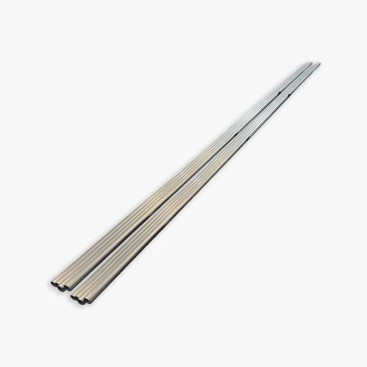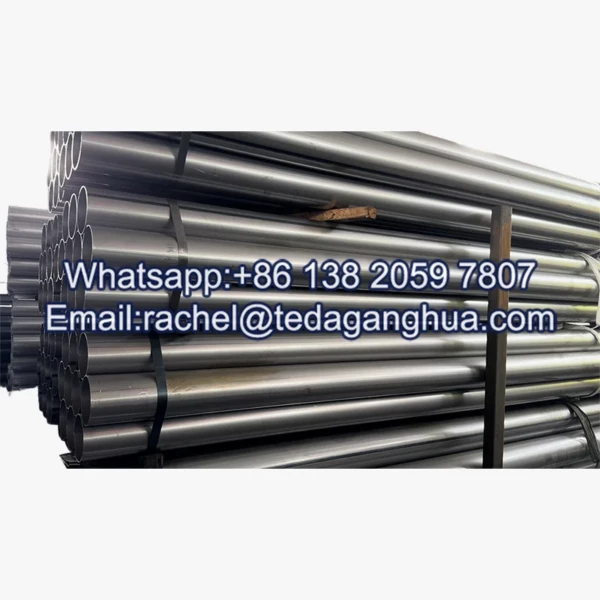
- Sự miêu tả
Sự miêu tả
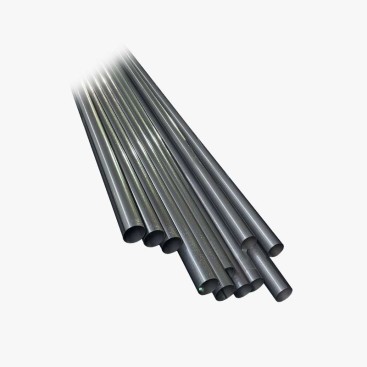
Buying aluminized steel tube in small quantities requires a different purchasing approach from ordering full production batches. Maintenance contractors, repair shops, equipment manufacturers, and small fabrication businesses often need specific cut lengths rather than full bundles or large tonnage. The main challenge is balancing material requirements, cutting services, minimum order quantities, bao bì, and delivery costs without paying for unnecessary stock.
A practical small-order purchasing plan starts with the finished dimensions, required quantity, end condition, và dự định ứng dụng. Buyers should also confirm whether the supplier can cut standard stock to length, prepare the ends, label individual pieces, and consolidate compatible accessories into one shipment. These details help turn a small material order into a usable, installation-ready supply package.
1. Why Small-Order Purchases Often Cost More Per Unit
A small order does not necessarily require less work per piece than a large order. Material picking, cutting setup, measurement, deburring, điều tra, labeling, packing, and documentation may still be necessary even when only a few tubes are purchased. Fixed handling costs are therefore spread across fewer units.
| Cost Factor | Why It Affects Small Orders | How Buyers Can Manage It |
|---|---|---|
| Minimum order quantity | The requested quantity may fall below the supplier’s normal stock or production minimum. | Ask whether standard stock can be sold by piece or meter. |
| Cutting setup | Machine setup and handling time may remain similar regardless of batch size. | Group pieces with identical dimensions and cut lengths. |
| Material utilization | Short offcuts and unusable remnants can increase the effective material cost. | Optimize the cutting plan and discuss acceptable remnant lengths. |
| Inspection and packaging | Individual measurements, nhãn, and protective packing add handling work. | Specify only the inspection and packing services actually required. |
| Freight and handling | Minimum transport charges may be high relative to a small shipment’s material value. | Compare consolidated delivery with direct shipment and confirm dimensional limits. |
The key purchasing metric is the total delivered cost, not simply the quoted cost per meter or piece. A low material rate can become less attractive when cutting, protective packaging, minimum handling charges, and freight are added separately.
2. Confirm the Tube Specification Before Requesting Cutting
Before requesting a small quantity, identify the material and finished-tube requirements precisely. The term aluminized steel tube does not define every technical feature needed for ordering, and a general coating description should not be treated as proof that a product meets a particular operating requirement.
Vật liệu: Specify the substrate grade and the aluminum-silicon coating designation or other applicable coating requirements.
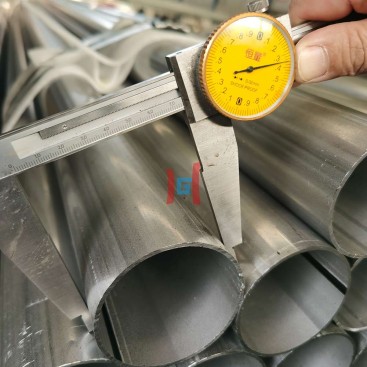
Dimensions: State the actual outside diameter (TỪ), độ dày của tường, and dimensional tolerances.
Chiều dài: Give the required finished length and the quantity of each length.
Chế tạo: Clarify whether the tube is welded or seamless, as applicable, and identify the required tube specification.
Service conditions: State whether the tube will be used for exhaust systems, general fabrication, heat exposure, or another application that affects material selection.
Ví dụ, an inquiry for a particular OD and wall thickness should not rely on an inch-based nominal pipe size unless the applicable dimensional standard is clearly identified. Actual tube OD and nominal pipe size can refer to different dimensions. Confirming the drawing or dimensional standard before cutting helps prevent parts that cannot fit the existing assembly.
3. Cut-to-Length Services and Their Cost Structure
Cut-to-length supply is useful when a buyer needs finished pieces for repairs, chế tạo, or installation rather than full-length stock. Tuy nhiên, cutting requirements vary, and the quotation should separate material supply from any additional processing services.
Standard Length Cutting
Straight cuts to specified lengths. Confirm length tolerance, cutting method, kerf allowance, and the number of cuts required.
End Preparation
Deburring, edge cleanup, or other agreed end treatments. Special bevels or machining require separate confirmation.
Individual Packing
Piece-level wrapping, length labels, and identification for repair kits or multi-part installations.
Small-order cutting charges can be calculated in different ways. Some suppliers use a setup fee plus a charge per cut; others quote by finished piece, total length, or a combined processing fee. Special handling, individual packing, and additional inspection may be charged separately. There is no universal pricing formula, so the quotation should clearly state which services are included.
| Dịch vụ | Quotation Basis to Confirm | Technical Detail |
|---|---|---|
| Material supply | Per piece, meter, or ton | Cấp, lớp phủ, TỪ, tường, and original stock length. |
| Cắt | Per cut, piece, or batch | Cut quantity, finished length, sức chịu đựng, and material loss. |
| End treatment | Per piece or processing operation | Deburring, beveling, or other specified preparation. |
| Individual packing | Per piece, pack, or order | Wrapping, nhãn, protection, and packaging material. |
| Delivery | Shipment or agreed freight basis | Destination, package dimensions, cân nặng, and delivery method. |
Buyers should also confirm whether cutting exposes uncoated substrate at the ends. Cắt, hàn, or additional end machining can affect coating continuity and corrosion performance at the processed area. Any required end protection or post-processing treatment should be agreed according to the intended service environment and the applicable specification.
4. When to Buy by Piece, Meter, or Ton
The appropriate order unit depends on how the material will be used and how the supplier maintains inventory. For small orders, a piece-based or meter-based request often communicates the requirement more clearly than a weight-only quantity.
| Order Unit | Best Fit | Important Check |
|---|---|---|
| Per piece | Repair jobs, replacement parts, and defined cut lengths | State the length and dimensions of every piece. |
| Per meter | Length-based requirements and cutting plans | Confirm whether the quantity means original stock length or total finished length. |
| Per metric ton | Bulk procurement and production-scale supply | Confirm theoretical or actual weight, quantity tolerance, and piece count. |
Weight-based ordering is not always the easiest method for small fabrication jobs. Two orders with the same mass can contain different numbers of pieces when their diameters, độ dày của tường, or lengths differ. If the finished assembly requires an exact count, list the piece quantity and dimensions first, then ask the supplier to calculate the corresponding estimated weight.
For a mixed-size order, provide a schedule instead of a single total quantity. Ví dụ, list each OD and wall combination, the required cut length, the number of pieces, and any special end treatment. This allows the supplier to plan material utilization and identify whether several sizes can be supplied from existing stock.
5. Use a Cutting Schedule to Reduce Material Waste
Material utilization becomes particularly important when purchasing only a few tubes. A cutting schedule shows the required finished lengths and quantities, allowing the supplier to check whether standard stock lengths can meet the requirement with acceptable waste.
| Mục | Finished Length | Quantity | Additional Requirement |
|---|---|---|---|
| MỘT | [Length A] | [Pieces] | Deburred ends |
| B | [Length B] | [Pieces] | Individual length labels |
| C | [Length C] | [Pieces] | Protective end caps, if required |
The supplier should account for cutting kerf, trimming allowances, dung sai kích thước, and the actual available stock length. If offcuts can be reused, ask whether they can be retained, returned, or included in the shipment. Their treatment should be agreed in advance rather than assumed to be part of the sale.
6. Buying Compatible Fittings and Accessories Together
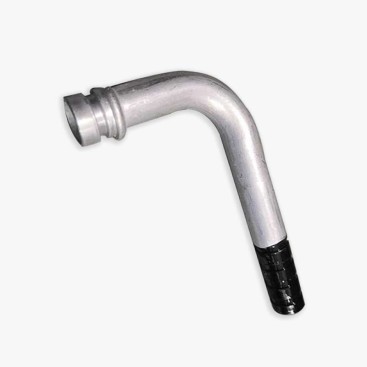
When the application requires several connected components, buying compatible accessories alongside the tube can reduce sourcing effort and simplify order coordination. Potential items include clamps, elbows, flanges, end caps, connectors, and mounting hardware. Tuy nhiên, these accessories should be selected according to the actual assembly rather than added automatically to every order.
Accessory Matching Checklist
- Kẹp: Confirm the actual tube OD, clamp range, fastening method, và môi trường dịch vụ.
- Elbows: Specify connection diameter, bend angle, centerline radius, wall requirements, and end configuration.
- Mặt bích: Match the connection dimensions, bolt pattern, facing, vật liệu, and applicable pressure class where relevant.
- End caps: Identify whether they are temporary shipping protectors or functional components for the final assembly.
- Connectors: Confirm mating dimensions, sealing method, and compatibility with the substrate and service conditions.
Accessory consolidation is especially useful for repair kits and small fabrication projects, where missing one fitting can delay the entire job. Ask the supplier to quote the tube and accessories as separate line items, while identifying which items are compatible and can be packed together. This preserves cost transparency and makes future replenishment easier.
7. Samples and Small Trial Orders Before Repeat Purchasing
A sample or trial order allows buyers to verify dimensional fit, surface condition, fabrication behavior, and documentation before committing to larger quantities. This is particularly useful when the tube will be cut, uốn cong, hàn, assembled with existing fittings, or exposed to elevated temperatures.
A practical trial process should define the acceptance criteria before the material is dispatched. These may include OD and wall measurements, finished length, tình trạng lớp phủ, seam quality where applicable, and the required certificate or inspection record. If the sample passes, the approved specification should be retained as the reference for repeat orders.
Buyers should distinguish between a sample supplied for visual review and a representative sample intended to qualify a production process. One short piece may demonstrate dimensions and surface condition, but it cannot automatically establish long-term corrosion performance, pressure suitability, or high-temperature durability. Those properties require appropriate technical evidence and testing for the intended application.
For an efficient first inquiry, include the target annual or repeat-order quantity even when the initial request is small. This helps the supplier assess whether the trial can be supplied from standard stock and whether subsequent batches may benefit from a different production or purchasing arrangement.
8. Packaging Requirements for Retail and Repair Orders
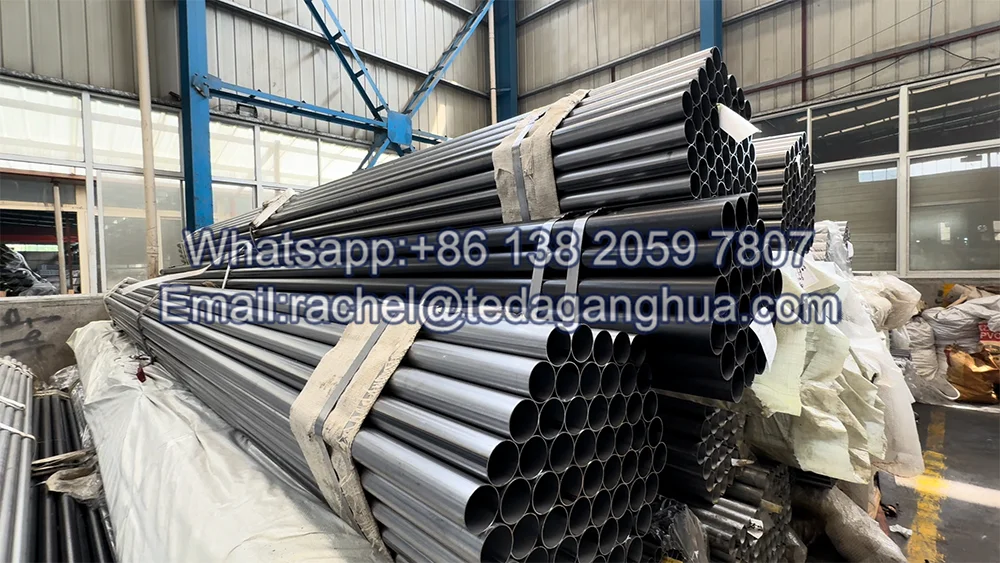
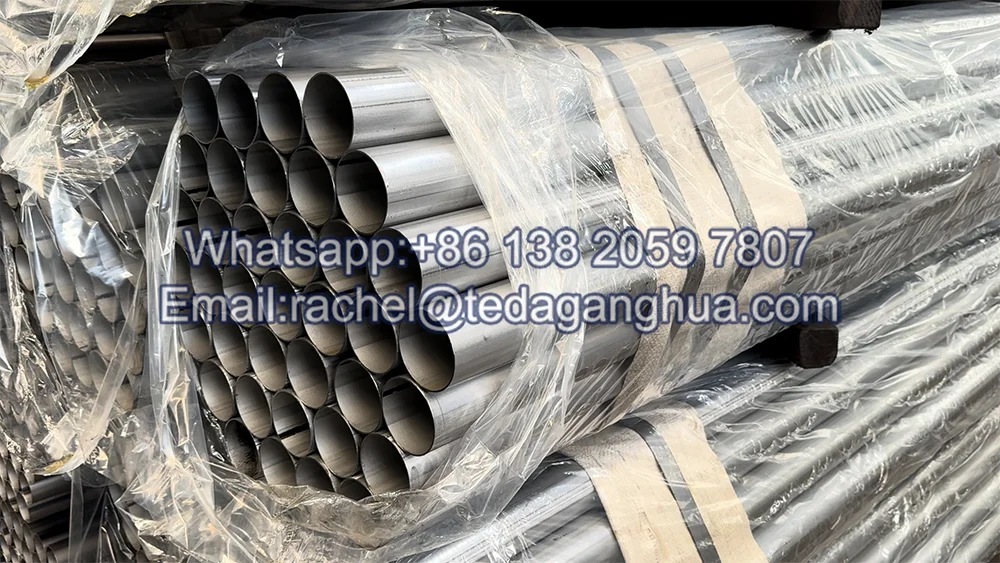
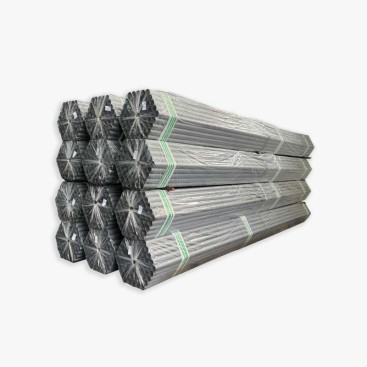
Small shipments often need more individual identification than bulk orders. Repair shops may receive several lengths or sizes in the same package, while maintenance teams need to identify each part quickly at the worksite. Packaging should protect the coating and prevent parts from being confused during storage or installation.
Bảo vệ bề mặt
Use suitable separators, sleeves, wrapping, or other protective materials to reduce rubbing, impact, and handling damage during transport.
Piece Identification
Label the OD, độ dày của tường, finished length, item number, and quantity where multiple specifications are included.
Handling and Delivery
Confirm bundle stability, end protection, package dimensions, unloading needs, and the shipping method before dispatch.
For retail-style or repair orders, labels should remain readable after handling, and each bundle or individual piece should be traceable to the packing list. Where traceability is required, preserve the relevant heat or batch identification in a form consistent with the agreed inspection and documentation requirements.
Do not assume that a generic plastic cap or wrap provides permanent corrosion protection. Packaging should be selected for the expected transport duration, storage environment, and service requirements. If parts will be stored outdoors or in a humid environment, agree on suitable storage and protection measures with the supplier.
9. How Teda Ganghua Can Support Small-Order Requirements
Teda Ganghua supports industrial buyers who need to coordinate material specifications, dimensional requirements, and supply arrangements for fabrication and maintenance applications. Vì ống thép tráng nhôm, procurement teams can submit a cutting schedule or drawing so the required dimensions, yêu cầu lớp phủ, quantities, and intended use can be reviewed before an order is confirmed.
When requesting a small-order quotation, identify the exact quantity of each finished length, whether end preparation is required, and how the pieces should be packed. Include any required clamps, elbows, flanges, or end caps in a separate accessory list. This helps clarify which items can be coordinated within one shipment and which require separate sourcing or manufacturing.
Stock availability, minimum order quantities, cutting capability, accessory compatibility, and delivery schedules must be confirmed against the specific inquiry. Providing complete information at the beginning helps reduce clarification rounds and supports a more reliable purchasing decision.
10. Small-Order Inquiry Checklist
Before sending a request, confirm that the following information is ready:
- Substrate grade, chỉ định lớp phủ, and applicable finished-tube specification.
- Outside diameter, độ dày của tường, and required dimensional tolerances.
- Finished length and quantity for every item number.
- Cutting method, end preparation, and any special machining requirements.
- Preferred order unit: pieces, total meters, or metric tons.
- Acceptable minimum order quantity and treatment of material offcuts.
- Accessory list with matching dimensions and connection requirements.
- Surface protection, individual labels, and packaging instructions.
- Required inspection records, certificates, and traceability information.
- Delivery destination, required arrival date, and shipping preferences.
For buyers who need only a few finished lengths, the best purchasing approach is to specify the final usable product rather than asking for a general material quantity. A clear cutting schedule, defined acceptance criteria, and agreed packaging requirements make it easier to compare quotations and receive material that is ready for the next stage of work.
Câu hỏi thường gặp
1. Can I buy only a few pieces of aluminized steel tube?
Possibly, depending on available stock, kích thước, and the supplier’s minimum order policy. Ask whether standard stock can be sold by piece or meter and whether cutting or handling charges apply to small quantities.
2. Why can cut-to-length tubes cost more per meter than standard stock?
Cutting setup, material loss, deburring, individual measurement, labeling, and packing add processing costs. In a small batch, these costs are distributed across fewer finished pieces.
3. Should I request a quotation by piece, meter, or ton?
Use pieces when the finished count and individual lengths matter, meters when total length is the main requirement, and tons for bulk purchasing. For cut-to-length orders, provide both the piece schedule and the estimated total quantity.
4. Can the supplier provide clamps, elbows, and flanges with the tube?
This depends on the supplier’s product range and sourcing arrangements. Provide the connection dimensions, material requirements, và ứng dụng dự định để có thể kiểm tra tính tương thích trước khi đặt hàng phụ kiện.
5. Tôi nên kiểm tra những gì trước khi phê duyệt lệnh dùng thử?
Xác minh kích thước, độ dài đã hoàn thành, tình trạng lớp phủ, chất lượng cuối cùng, tài liệu cần thiết, và phù hợp với lắp ráp dự định. Xác định tiêu chí chấp nhận trước khi gửi đi và giữ lại thông số kỹ thuật đã được phê duyệt để mua lại.