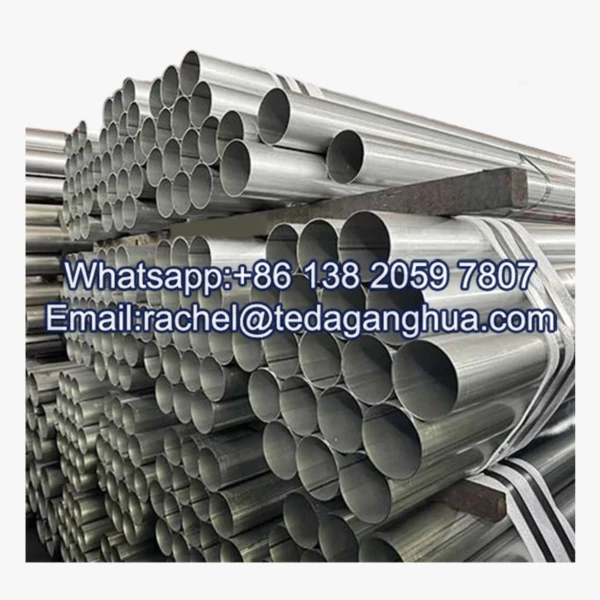
- Sự miêu tả
Sự miêu tả
ASTM A463 is not a tube standard. It is a specification for steel sheet coated by the hot-dip aluminizing process. This distinction matters when a buyer requests an aluminized steel tube and writes only “ASTM A463 tube” on an inquiry. A463 can identify the coated flat steel used to manufacture the tube, but it does not by itself define the complete tube manufacturing, dimensional or mechanical requirements.
For procurement, the safer approach is to separate the substrate/coating specification from the tube-product specification. The first describes the coated steel from which the tube is made; the second describes how that material becomes a finished tube.
What ASTM A463 Actually Covers
ASTM A463 covers hot-dip aluminum-coated steel sheet. The covered flat products are supplied as coils or cut lengths rather than as finished tubes. Common commercial availability extends across a broad thickness and width range, although the exact permitted dimensions depend on the applicable product requirements and ordered material.
This means A463 should be understood as a flat-steel material and coating specification, not as the finished-product specification for a fabricated tube.
| A463 Item | What It Defines | What It Does Not Define by Itself |
|---|---|---|
| Product form | Aluminum-coated steel sheet | Finished welded tube construction |
| Coating system | Hot-dip aluminum coating requirements | Complete tube welding and forming requirements |
| Coating designation | Examples include T1-13, T1-25 and T1-40 | Finished-tube dimensional tolerances |
| Flat-steel dimensions | Sheet thickness and width requirements | Tube OD, wall thickness and finished length |
| Material basis | Coated steel substrate | The complete tube product specification |
Kiểu 1 and the T1 Coating Designations
One important part of A463 purchasing is identifying the coating designation rather than simply writing “aluminized steel.” Type 1 is an aluminum-silicon coating system intended for applications where elevated-temperature performance is important.
Common Type 1 coating designations include T1-13, T1-25 and T1-40, with T1-60 also used in some specifications and supply situations. These designations are associated with coating mass expressed in the applicable customary unit system.
Do not confuse the T1 designation with tube dimensions
T1-25 does not identify tube OD, wall thickness or tube length. It identifies the specified coating level for the coated flat steel. The finished tube still requires its own dimensional and manufacturing specification.
Why an A463 Sheet Can Become an Aluminized Tube
The relationship is straightforward: a coated flat steel product can be formed and welded into tubing. In this production route, the aluminum-coated sheet provides the substrate and coating system, while a separate tube specification controls the finished tubular product.
This is why it is technically possible to see an aluminized tube described in connection with A463 without A463 itself being a tube standard. The reference is identifying the material used to manufacture the tube, not replacing the finished-tube specification.
The specification hierarchy
Level 1 — Coated flat steel
Base steel + coating process + chỉ định lớp phủ
↓
Level 2 — Tube manufacturing
hình thành + welding method + tube-product standard
↓
Level 3 — Finished tube requirements
TỪ + độ dày của tường + chiều dài + dung sai + end condition + điều tra
Why “ASTM A463 Tube” Is an Incomplete Inquiry
If a buyer writes only “ASTM A463 tube”, several important questions remain unanswered.
| Missing Information | Question to Confirm | Why It Matters |
|---|---|---|
| Tube standard | Which tube-product specification applies? | Determines manufacturing and product requirements |
| Manufacturing method | Welded, formed and welded, or another manufacturing route? | Affects the finished tube and applicable requirements |
| Tube application | Mechanical, cấu trúc, exhaust or another service? | Different applications require different product specifications |
| Outside diameter | What finished OD is required? | A463 sheet width does not establish tube diameter |
| Độ dày của tường | What nominal wall and tolerance are required? | Controls finished tube geometry and mass |
| Lớp phủ | Which A463 coating type and designation? | “Aluminized” alone does not establish coating mass |
A463 Standard vs Tube Standard: Keep the Two Layers Separate
A useful way to prepare an OEM or industrial purchasing specification is to write the material and tube requirements on separate lines.
| Specification Layer | Example Information | Mục đích |
|---|---|---|
| Base/coating material | Loại ASTM A463 1, T1-25 | Defines the coated flat steel basis |
| Tube standard | Applicable tube specification | Defines finished tube manufacturing requirements |
| Finished dimensions | OD × wall × length | Defines the physical product supplied |
| Tolerances | TỪ, wall thickness and length tolerances | Controls interchangeability and inspection |
| End condition | Plain, deburred, cut-to-length or other condition | Controls downstream assembly or welding |
A Practical Specification Template
For an aluminized tube inquiry, a clearer format is:
Loại ASTM A463 1 T1-25 + [Applicable Tube Standard] + OD × Wall Thickness × Length
Ví dụ, the purchasing description can be structured as:
Material/coating: Loại ASTM A463 1 T1-25
Tube standard: [specified tube standard]
Dimensions: [TỪ] × [độ dày của tường] × [chiều dài]
Tolerances: [TỪ / tường / length requirements]
End condition: [plain / deburred / other]
Điều tra: [required tests and documentation]
The exact tube standard should be selected according to the intended application and manufacturing route. A material specification should not be substituted for a finished-product specification simply because both concern the same steel.
A787 and A513: Why the Tube Standard Still Matters
When coated sheet is converted into welded tube, the finished product may need to comply with a tube specification such as an applicable mechanical or structural tubing standard. Ví dụ, ASTM A787 addresses electric-resistance-welded metallic-coated carbon steel mechanical tubing, while ASTM A513 covers electric-resistance-welded carbon and alloy steel mechanical tubing in its applicable product categories.
The important procurement lesson is not to select a tube standard by name alone. The buyer should determine whether the component is mechanical tubing, ống kết cấu, exhaust tubing or another specialized product and then confirm the appropriate standard, dimensions and testing requirements.
Do not write only: “A463 tube.”
Write instead: coating/material standard + tube standard + kích thước + dung sai + required inspection.
What Procurement Managers Should Confirm
1. Is A463 being used as the material/coating reference?
Confirm that the requested A463 designation refers to the coated flat steel used for tube production.
2. Which coating type is required?
Confirm Type 1 or another applicable coating system rather than using “aluminized” as the only description.
3. Which coating designation is required?
Đối với loại 1, identify the specified coating designation such as T1-13, T1-25 or T1-40 where applicable.
4. Which tube standard applies?
Identify the finished tube specification based on application and manufacturing method.
5. What are the finished dimensions?
State OD, độ dày của tường, length and all applicable tolerances.
6. What end condition is required?
Confirm cutting, deburring, chamfering, threading or other downstream requirements.
7. What inspection documents are required?
Clarify material certificates, dimensional inspection, coating verification and any application-specific testing.
How Teda Ganghua Supports Aluminized Tube Procurement
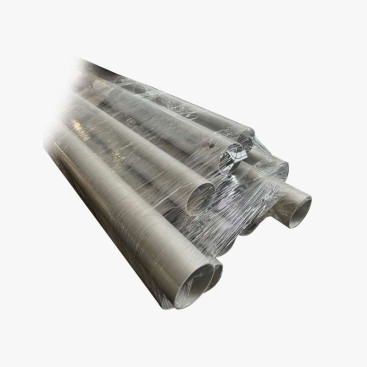
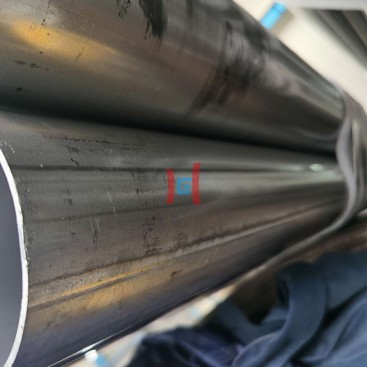
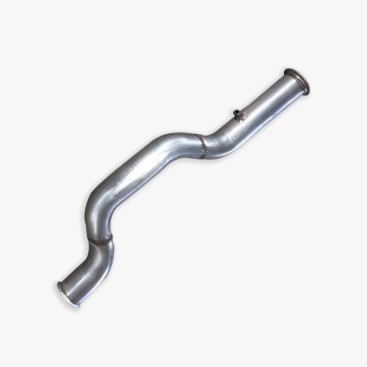
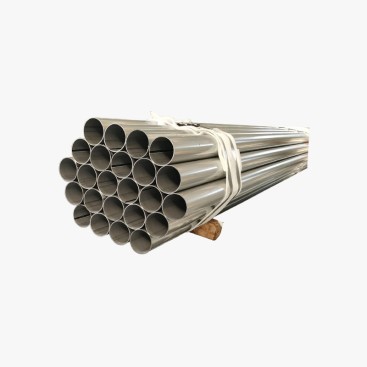
Teda Ganghua can support buyers who need to convert a coated-flat-steel requirement into a complete tube purchasing specification. Instead of treating “ASTM A463 tube” as a complete description, the enquiry can be reviewed by separating the coating requirement from the finished tube standard, dimensions and processing requirements.
For enquiries involving ống thép tráng nhôm, procurement managers can provide the intended application, TỪ, độ dày của tường, chiều dài, coating designation and required tube standard. This gives the supplier enough information to confirm whether the proposed material and manufacturing route match the finished product requirement.
This approach is especially useful for OEM and repeat-production projects, where the same specification needs to remain traceable and consistent across different production batches.
The Bottom Line
ASTM A463 is a coated-sheet specification, not a finished tube specification. Its role in an aluminized tube is normally to identify the hot-dip aluminum-coated steel used as the starting material. The finished tube still needs its own product standard, phương pháp sản xuất, dimensions and tolerances.
The clearest purchasing structure is therefore:
A463 material/coating requirement
+
Applicable tube standard
+
OD × wall thickness × length + dung sai
Once these three layers are defined, the supplier can understand what coated material is required, how the tube should be manufactured and what finished product the buyer actually expects. That is much more precise than using “ASTM A463 tube” as a standalone specification.
Câu hỏi thường gặp
Is ASTM A463 a standard for aluminized steel tube?
KHÔNG. ASTM A463 covers hot-dip aluminum-coated steel sheet. It can specify the coated flat steel used to manufacture tubing, but it does not by itself define the complete finished tube.
Can an aluminized tube be made from A463 material?
Đúng. A463-coated sheet can be used as the coated flat-steel starting material for tube manufacturing. The finished tube should then be specified according to the applicable tube-product standard and dimensional requirements.
What does T1-25 mean in an aluminized steel specification?
T1-25 is a Type 1 coating designation associated with the specified coating mass under the applicable A463 requirements. It does not identify the tube diameter, wall thickness or finished length.
What should I write instead of “ASTM A463 tube”?
State the coated-sheet requirement, applicable tube standard, finished OD, độ dày của tường, chiều dài, dung sai, end condition and inspection requirements. Cấu trúc thực tế là “Loại ASTM A463 1 T1-25 + applicable tube standard + OD × tường × chiều dài.
Tại sao tiêu chuẩn ống lại cần thiết nếu vật liệu đã tuân thủ A463?
Bởi vì việc tuân thủ nguyên vật liệu và việc tuân thủ thành phẩm đề cập đến các phần khác nhau của thông số kỹ thuật. A463 xác định thép dẹt được phủ, trong khi tiêu chuẩn ống có thể xác định hình dạng, hàn, yêu cầu cơ khí, kích thước, dung sai và các đặc tính khác của ống thành phẩm.