- Sự miêu tả
Sự miêu tả
Galvanized vs Aluminized Exhaust Pipe: A DIY Builder’s Guide to Choosing the Right Material
For DIY exhaust builders, choosing the correct pipe material is one of the most important decisions before fabrication begins. A cheaper pipe may save money during the first installation, but replacing a failed exhaust system several months later can cost much more in labor, time, and materials.
Thép mạ kẽm, Thép aluminized, and stainless steel are often compared by DIY enthusiasts. Tuy nhiên, these materials have very different performance characteristics. Understanding their temperature resistance, Bảo vệ ăn mòn, yêu cầu hàn, and long-term value helps avoid expensive mistakes.
The Basic Choice: Cheap Now or Reliable Later?
DIY exhaust projects usually balance three factors: material cost, fabrication difficulty, and service life.
| Vật liệu | Lợi thế | Main Limitation | DIY Recommendation |
|---|---|---|---|
| Thép mạ kẽm | Lowest initial cost | Poor high-temperature durability | Not recommended |
| Thép Aluminized | Good heat resistance and affordable cost | Coating damage requires attention | Best value choice |
| 409/304 thép không gỉ | Long service life and corrosion resistance | Chi phí vật liệu cao hơn | Premium option |
Why Galvanized Pipe Often Fails in DIY Exhaust Projects
Galvanized steel is designed for general corrosion protection in normal atmospheric conditions. The zinc coating protects steel by acting as a sacrificial layer, but exhaust systems create a much harsher environment.
- Exhaust temperatures can exceed the practical limit of zinc coatings.
- Thermal cycling accelerates coating degradation.
- Condensation inside exhaust pipes creates acidic corrosion conditions.
- Welding removes zinc protection near joints.
A common DIY mistake is selecting galvanized pipe because it is inexpensive and easy to find. The result can be corrosion failure within months under severe operating conditions, requiring the entire fabrication process to be repeated.
Material Cost Comparison for a DIY Exhaust System
The following table shows a general material cost comparison for a complete exhaust fabrication project. Actual costs depend on pipe diameter, độ dày, vehicle design, and supplier conditions.
| Loại vật liệu | Initial Material Cost Level | Expected Maintenance | Long-Term Value |
|---|---|---|---|
| Ống mạ kẽm | Lowest | Frequent replacement risk | Thấp |
| Ống thép Aluminized | Trung bình | Occasional coating repair after fabrication | Cao |
| 409 thép không gỉ | Cao hơn | Low maintenance | Rất cao |
| 304 thép không gỉ | Premium | Minimal maintenance | Highest |
Fabrication Differences for DIY Builders
Material selection affects cutting, uốn cong, và hoạt động hàn. DIY builders should understand how each material behaves during fabrication.
| Fabrication Process | Thép Aluminized | Thép mạ kẽm |
|---|---|---|
| Cắt | Easy, but coating damage should be protected | Easy, but zinc coating requires safety precautions |
| uốn | Suitable for exhaust fabrication | Possible, but coating damage affects corrosion resistance |
| hàn | Repair coating around weld areas | Requires strong ventilation due to zinc fumes |
Common DIY Exhaust Mistakes
- Choosing galvanized pipe only because it is inexpensive.
- Ignoring internal condensation corrosion.
- Failing to repair damaged protective coating after welding.
- Replacing the same failed exhaust system multiple times instead of upgrading materials.
A small saving during material selection can become a larger expense when labor, vehicle downtime, and repeated fabrication are included.
Recommended Material Selection by Exhaust Location
Different sections of an exhaust system experience different temperatures and corrosion conditions. A mixed-material approach is often the most practical solution.
| Exhaust Section | Recommended Material | Reason |
|---|---|---|
| Header / Front Section | 409 hoặc 304 thép không gỉ | Highest temperature exposure |
| Middle Pipe Section | Thép Aluminized | Good balance of cost and durability |
| Tail Pipe Section | Aluminized Steel or Stainless Steel | Depends on climate and service expectations |
Best Choice for DIY Exhaust Builders
For most DIY exhaust projects, aluminized steel provides the best balance between performance and cost. It offers much better temperature resistance than galvanized steel while remaining more affordable than stainless steel.
For builders who want a one-time installation with maximum durability, 304 stainless steel remains the premium solution.
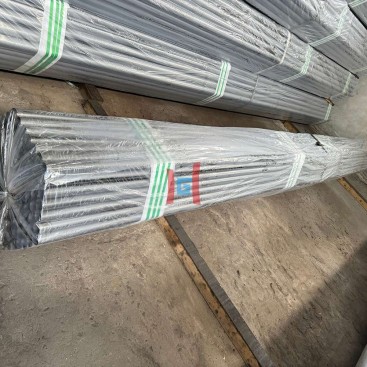
Teda Ganghua Aluminized Steel Tube Solutions
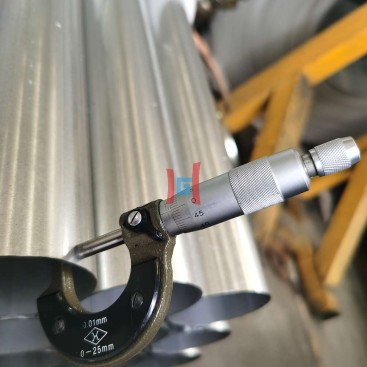
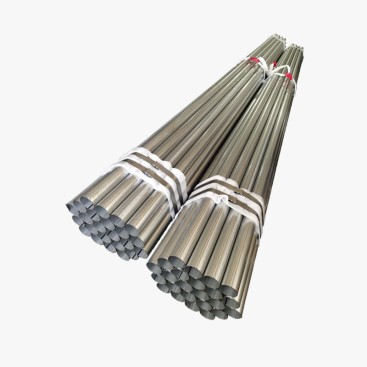
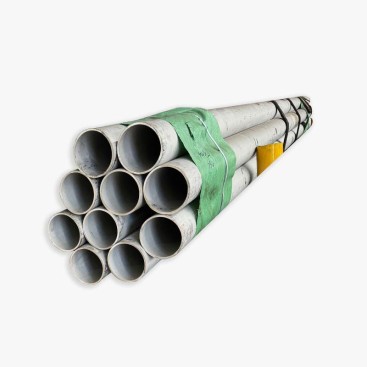
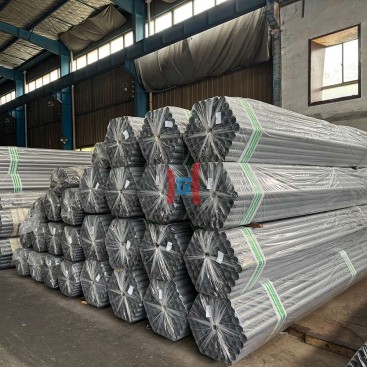
Teda Ganghua supplies aluminized steel tube products designed for automotive exhaust systems and high-temperature applications. The aluminum-silicon coating provides oxidation resistance and corrosion protection while maintaining the mechanical strength of the steel tube structure.
For DIY builders, exhaust fabricators, and industrial users seeking reliable coated steel tubing, Teda Ganghua provides ống thép tráng nhôm suitable for exhaust manufacturing and thermal environments.
Câu hỏi thường gặp
1. Is galvanized pipe good for DIY exhaust projects?
KHÔNG. Zinc coating performance decreases rapidly at exhaust temperatures, making galvanized pipe unsuitable for long-term exhaust use.
2. What is the best budget material for DIY exhaust fabrication?
Aluminized steel is usually the best balance between cost, khả năng chịu nhiệt, and service life.
3. Should aluminized steel be repaired after welding?
Đúng. Protective coating repair around welded areas helps maintain corrosion resistance.
4. Is 304 stainless steel worth the extra cost?
Dành cho các dự án dài hạn hoặc phương tiện hiệu suất, độ bền cao hơn có thể biện minh cho việc đầu tư bổ sung.
5. Làm thế nào những người xây dựng DIY có thể tránh được các vấn đề về thay thế ống xả?
Chọn vật liệu được thiết kế cho nhiệt độ khí thải và xem xét tổng chi phí sở hữu thay vì chỉ giá ống ban đầu.