- Sự miêu tả
Sự miêu tả
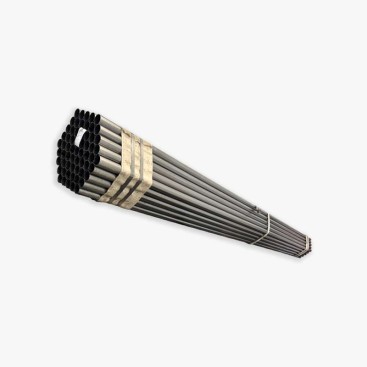
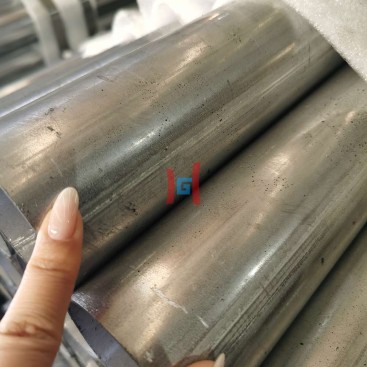
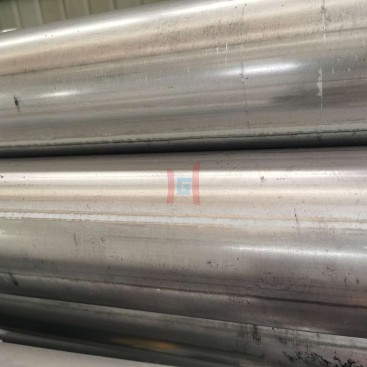
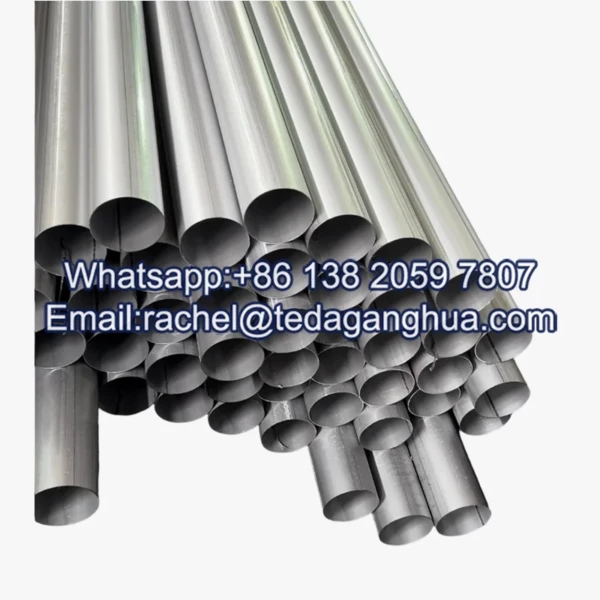
An HFW aluminized steel tube can have a coating discontinuity along its longitudinal weld seam. This is not necessarily a manufacturing defect. In a common production route, aluminum-silicon coating is applied to flat steel strip before the strip is slit, roll-formed, and welded into a tube. During high-frequency welding, the concentrated heat required to join the strip edges can damage or remove the original coating around the seam. The result is a narrow area where the coating condition differs from the rest of the tube. For buyers, the important questions are whether this area is repaired, what repair material is used, and whether the treatment covers both the inside and outside surfaces.
1. Why Does an Aluminized Tube Have a Coating Discontinuity at the Weld?
The reason comes down to production sequence. In the common pre-coated-strip route, the steel receives its aluminum-silicon coating while it is still in flat strip form. Tube manufacturing takes place afterward. The strip is slit to the required width, formed into a tubular shape, and joined along its edges by high-frequency welding.
Common pre-coated-strip production route
Flat steel strip passes through a coating process and receives an aluminum-silicon layer.
The coated strip is slit into narrower widths suitable for the required tube dimensions.
Forming rolls gradually shape the flat strip into an open tubular profile.
High-frequency current heats the strip edges, and pressure joins them to create the longitudinal seam.
The coating affected by welding is repaired, accepted within agreed limits, or treated through another specified finishing route.
The coating is applied at the strip stage, but welding occurs at the tube stage. The welding heat is concentrated around the joining edges, where the original coating can be altered, displaced, or removed. This creates a local difference in coating coverage along the seam.
This production sequence explains why a tube can have a coated outer surface and a longitudinal seam area with a different coating condition. It is a process-related consideration that should be addressed in the product specification, not automatically classified as a defect.
2. Not Every Aluminized Tube Uses the Same Production Route
The pre-coated-strip route is common for continuously coated flat steel products that are subsequently roll-formed and welded into tubes. Tuy nhiên, it is not the only possible manufacturing sequence. A tube may also be formed and welded first, followed by a suitable coating process. The actual route depends on the manufacturer’s equipment, product dimensions, yêu cầu lớp phủ, and production capabilities.
| Production Route | Sequence | Seam Consideration |
|---|---|---|
| Pre-coated strip | Coat strip → slit → form tube → weld | Welding can damage the original coating near the seam; a repair or acceptance condition is needed. |
| Post-weld coating | Form tube → weld → apply coating | The coating is applied after the seam is formed, but coverage and uniformity on the finished tube must be verified. |
A continuous hot-dip coating line normally processes flat strip rather than a finished tube. Vì thế, buyers should not assume that every aluminized tube is coated after welding. Ask the supplier to confirm the actual production route and explain how the longitudinal seam is treated.
Specification reminder
The phrase “Ống thép aluminized” identifies the product, but it does not by itself establish whether coating is applied before or after tube forming. Confirm the coating route, loại lớp phủ, and seam condition with the manufacturer.
3. Three Questions Buyers Must Ask About the Weld Seam
For a tube made from pre-coated strip, the most important purchasing decision is not simply whether a weld seam exists. A longitudinal seam is an inherent result of the manufacturing process. The key is to define how the coating at that seam is handled.
| Buyer Question | Why It Matters | What to Specify |
|---|---|---|
| 1. Is the weld seam recoated? | The seam’s coating condition influences local corrosion protection and service life. | Repair coating, an accepted uncoated seam, or another agreed treatment. |
| 2. What repair material is used? | The repair material must be suitable for the substrate, original coating, và môi trường dịch vụ. | Repair material type, application method, và tiêu chí kiểm tra. |
| 3. Are both internal and external seams treated? | The inner surface may contact conveyed fluids, making internal protection particularly important. | Separate requirements for internal and external seam coverage. |
Question 1: Is the weld seam recoated?
A repair coating can restore some protection to the area affected by welding. Tuy nhiên, the repair method and achievable performance depend on the coating system, surface preparation, application conditions, and inspection method. If the buyer requires a repaired seam, the purchase specification should define the treatment rather than relying on a general statement such as “coated pipe.”
Question 2: What material is used for seam repair?
The repair material should be selected for compatibility with the original aluminum-silicon coating system and the intended operating environment. A repair coating should not be assumed to have exactly the same composition, kết cấu, or performance as the original hot-dip coating. Buyers should request the repair material description, application procedure, and relevant quality requirements.
Question 3: Are both internal and external seams treated?
External coating repair alone may not satisfy applications where the tube carries water, khí đốt, or another medium internally. If the inside surface is exposed to a corrosive fluid, the internal seam condition deserves particular attention. Confirm whether the repair process can reach the internal seam and how its coverage is inspected.
4. Why Seam Position Matters During Bending and Flaring
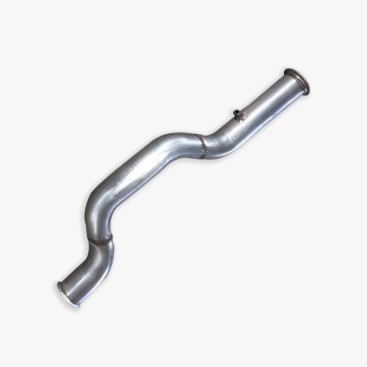
The longitudinal weld seam is also important when an aluminized tube will undergo secondary forming. uốn, flaring, mở rộng, and other deformation operations place mechanical strain on the tube wall. The weld zone and its adjacent heat-affected area may respond differently from the parent material, depending on the welding process, material condition, and any subsequent heat treatment.
If the tube is bent or expanded, the seam position can influence how strain is distributed. The weld area may become a critical location, particularly when the forming operation places it under high tensile strain or when the weld profile and local wall condition are not suitable for the intended deformation.
| Ứng dụng | Potential Concern | Recommended Confirmation |
|---|---|---|
| Tube bending | Local strain concentration, seam cracking, or coating damage | Bán kính uốn cong, bending direction, seam orientation, and trial-bend requirements |
| Tube flaring | Expansion strain may expose weaknesses in the weld or adjacent material | Flaring ratio, tool geometry, seam position, and acceptance criteria |
| Mở rộng ống | Circumferential deformation may affect the weld zone and coating | Expansion amount, forming sequence, and post-forming inspection |
For components requiring bending or flaring, the engineering drawing should identify the required weld orientation. The supplier should also be informed of the forming process before production. Where seam orientation is important, specify its permitted position and tolerance instead of leaving it to an assumption during assembly.
Practical drawing note
For bent or flared tube components, mark the longitudinal weld seam position and required orientation on the drawing. Confirm the forming direction, bend radius or expansion ratio, and any post-forming coating inspection requirements.
5. How Should the Seam Treatment Be Specified?
A useful purchase specification separates the general coating requirement from the local seam requirement. The main tube surface and the weld seam may have different coating conditions, so one overall coating description may not provide enough detail.
| Specification Item | Information to Include |
|---|---|
| Vật liệu cơ bản | Mác thép, substrate thickness, and applicable material standard |
| Lớp phủ | Loại sơn, chỉ định lớp phủ, and applicable coating requirements |
| Production route | Pre-coated strip or post-weld coating route |
| Seam treatment | Repair coating, accepted uncoated area, or another agreed method |
| Repair material | Material description, application procedure, and acceptance requirements |
| Surface coverage | Internal seam, external seam, hoặc cả hai |
| Secondary forming | uốn, flaring, expansion, and seam orientation requirements |
| Điều tra | Visual checks, coating inspection, weld testing, và tài liệu |
The specification should also state how coating condition is evaluated. Visual inspection can identify obvious discontinuities, but it does not by itself establish coating thickness, độ bám dính, or corrosion performance. The appropriate inspection method and acceptance limits should be agreed according to the application and relevant standard.
6. Example Purchase Specification for HFW Aluminized Steel Tube
The following example shows how to describe the seam requirement in a purchasing inquiry. Replace the general terms with confirmed grades, kích thước, coating designations, and inspection criteria for the project.
Suggested inquiry wording
HFW aluminized steel tube, specified steel grade and aluminum-silicon coating designation, outside diameter × wall thickness × length. Supplier to confirm whether the tube is produced from pre-coated strip or coated after welding. For pre-coated strip, specify the treatment of the longitudinal weld seam, repair material, internal and external coverage, and applicable inspection criteria. For components requiring bending or flaring, indicate the weld seam orientation and forming requirements on the drawing.
This wording makes the coating discontinuity a defined technical requirement. It also helps avoid misunderstandings between a supplier who assumes that only the external seam needs repair and a buyer who expects protection on both internal and external surfaces.
7. Teda Ganghua: Aluminized Tube Specification and Inspection Support
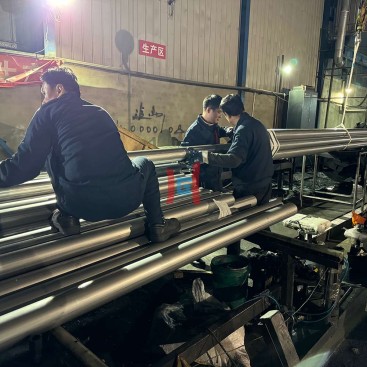
Teda Ganghua Metal is a steel stockist based in Tianjin TEDA, với 20 years of steel stockist and export experience. The company supports industrial buyers with steel sourcing, product specification coordination, dịch vụ xử lý, material documentation, and export shipment arrangements.
For buyers sourcing HFW aluminized steel tubes, Teda Ganghua can help coordinate key purchasing details, including the steel grade, substrate thickness, loại lớp phủ, kích thước ống, và yêu cầu kiểm tra. The production route and longitudinal seam condition should be confirmed with the manufacturing source before the order is finalized.
Depending on product availability and confirmed manufacturing capabilities, purchasing support may include:
- Review of steel grade, chất nền, and coating specifications.
- Coordination of tube dimensions, độ dày của tường, and cut lengths.
- Confirmation of weld seam treatment and internal or external coating requirements.
- Coordination of bending, cắt, and other processing requirements where applicable.
- Material Test Certificates and material traceability documentation.
- Third-party inspection arrangements and shipment verification.
- Export packing and documentation coordination for industrial orders.
Teda Ganghua emphasizes specification-based sourcing and clear communication between purchasing requirements and the manufacturing process. For projects involving tube bending or flaring, buyers can provide drawings that identify seam orientation and forming requirements. This allows the relevant production and inspection conditions to be discussed before shipment.
Material certificates and agreed inspection records can be coordinated according to the order requirements. Buyers are welcome to arrange inspection before shipment to verify the agreed material, kích thước, tình trạng lớp phủ, and shipment quantity.
Câu hỏi thường gặp
1. Why is there an uncoated line on some aluminized steel tubes?
In a common production route, the aluminum-silicon coating is applied to flat steel strip before tube forming. High-frequency welding then joins the strip edges, and the concentrated heat can damage or remove the original coating near the seam. The affected area may require repair or an agreed acceptance condition.
2. Is every aluminized steel tube made from pre-coated strip?
KHÔNG. Pre-coated strip is a common route, but some manufacturing processes may apply coating after the tube has been formed and welded. Buyers should confirm the actual production sequence with the supplier.
3. Does the weld seam always need repair coating?
Không nhất thiết. The required treatment depends on the application, phơi nhiễm ăn mòn, product specification, and buyer acceptance criteria. The seam may be repaired or supplied with an agreed uncoated condition if the application permits it.
4. Should both the internal and external weld seams be recoated?
That depends on the service environment. If the tube carries a fluid or gas, internal seam protection may be particularly important. Buyers should specify whether repair is required on the outside, inside, or both surfaces.
5. Why should weld seam orientation be shown on a bending drawing?
The weld zone and adjacent heat-affected area may respond differently from the parent material during deformation. Showing the seam position helps the manufacturer control its orientation during bending or flaring and assess the forming requirements.