- Sự miêu tả
Sự miêu tả
Hot-Dip Aluminizing Process Demystified: How Steel Pipe Gets Its Aluminum Armor
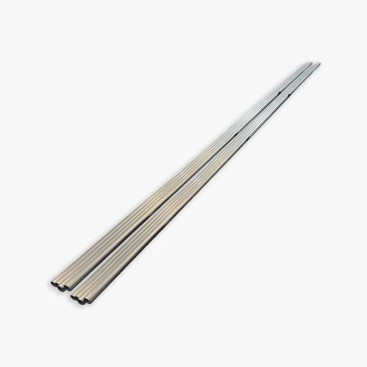
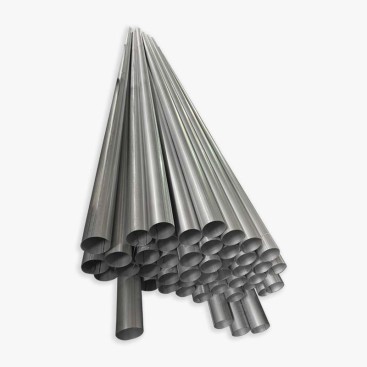
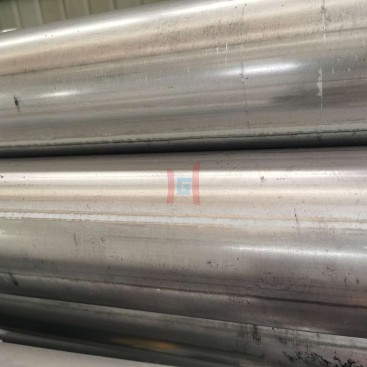
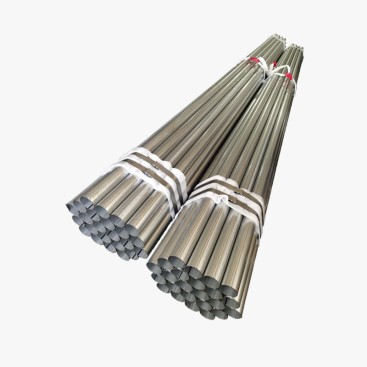
Hot-dip aluminized steel pipe is produced through a controlled metallurgical process that bonds aluminum (or aluminum-silicon alloy) to a steel substrate. This creates a durable protective “armor layer” that significantly improves khả năng chịu nhiệt, chống oxy hóa, and service life in demanding industrial environments such as automotive exhaust systems, Trao đổi nhiệt, and furnace piping.
Unlike painting or coating sprays, hot-dip aluminizing is a metallurgical diffusion process, meaning the coating becomes partially integrated with the steel surface at the atomic level.
1. Full Hot-Dip Aluminizing Process Flow
| Bước chân | Process Description |
|---|---|
| 1. Surface Cleaning (Tẩy dầu mỡ) | Removes oil, bụi, and surface contaminants from steel pipe |
| 2. Acid Pickling | Removes oxide scale and activates the steel surface for coating |
| 3. Fluxing (助镀处理) | Prevents re-oxidation and improves coating adhesion |
| 4. Hot-Dip Immersion (~680°C) | Steel pipe is immersed into molten aluminum or Al-Si alloy bath |
| 5. Metallurgical Reaction | Iron reacts with aluminum forming Fe-Al intermetallic layers |
| 6. Withdrawal & làm mát | Controlled extraction and air cooling to stabilize coating structure |
2. What Happens at 680°C? (Core Science)
| Phenomenon | Kết quả |
|---|---|
| Iron-Aluminum Diffusion | Forms intermetallic compound layers (Fe-Al phases) |
| Surface Alloying | Creates strong metallurgical bonding instead of simple adhesion |
| Silicon Addition (Al-Si bath) | Improves coating fluidity and reduces brittle layer formation |
This diffusion reaction is what makes hot-dip aluminized coatings far more durable than conventional paint or electroplating.
3. Cấu trúc lớp phủ (Cross-Section Model)
| Lớp | Chức năng |
|---|---|
| Outer Al-Si Layer | Primary oxidation and corrosion protection barrier |
| Intermetallic Layer | Hard transition zone ensuring bonding strength |
| Steel Substrate | Độ bền cơ học và hỗ trợ kết cấu |
The graded structure prevents peeling and ensures long-term stability under thermal cycling.
4. Why This Process Is Used for Steel Pipe
| Requirement | Benefit of Hot-Dip Aluminizing |
|---|---|
| Tiếp xúc với nhiệt độ cao | Stable performance up to ~800°C |
| Chống oxy hóa | Prevents scaling in exhaust and furnace environments |
| Cost Optimization | Cheaper than stainless steel alternatives |
| Độ bền cơ học | Retains carbon steel’s load-bearing capacity |
5. Ứng dụng công nghiệp
| Ngành công nghiệp | Ứng dụng |
|---|---|
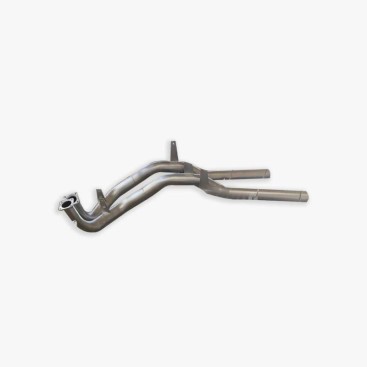
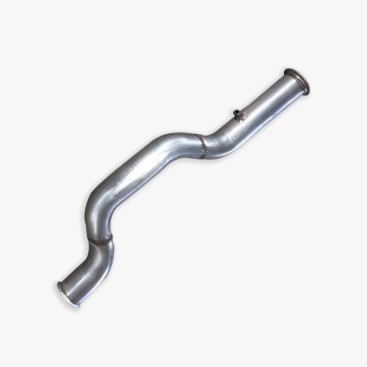
| ô tô | Ống xả, bộ giảm thanh, ống chuyển đổi xúc tác |
| Heat Exchange Systems | Thermal transfer piping and ducts |
| Industrial Furnaces | Đường ống dẫn khí nhiệt độ cao |
| Energy & HVAC | Flue gas and ventilation systems |
6. Tại sao người mua chọn Teda Ganghua
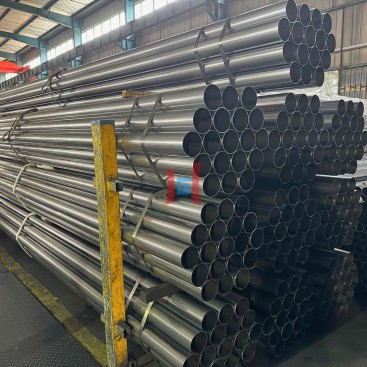
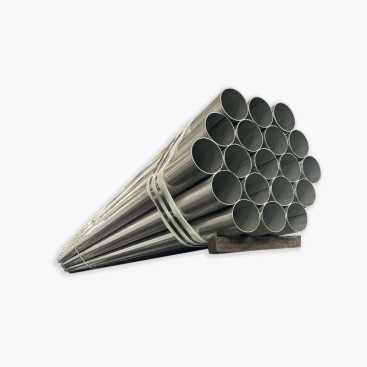
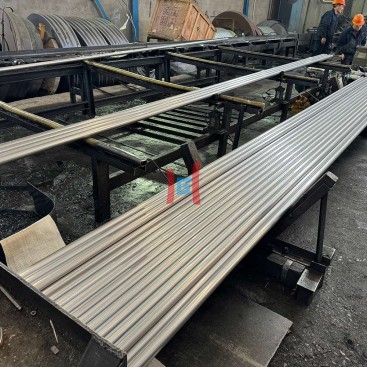
Tại Teda Ganghua, we supply hot-dip aluminized steel pipes with stable coating thickness, controlled Al-Si composition, and reliable metallurgical bonding for industrial-grade performance.
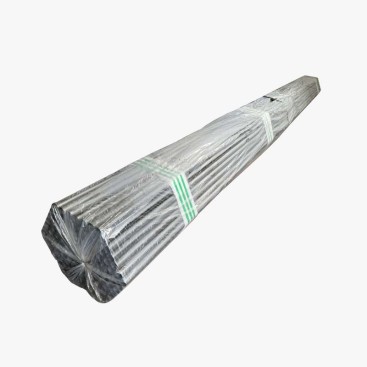
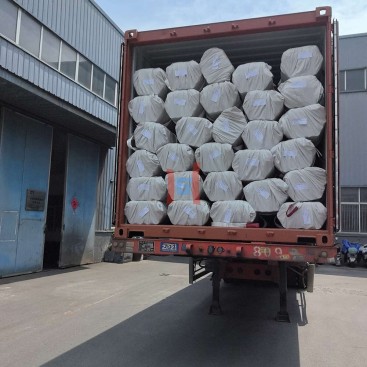
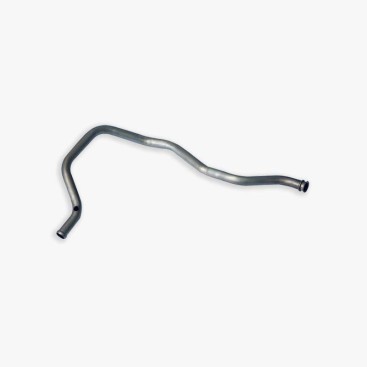
Chúng tôi hỗ trợ cắt OEM, uốn cong, và các giải pháp đóng gói xuất khẩu đầy đủ cho khách hàng ô tô và công nghiệp toàn cầu.
Khám phá các sản phẩm ống thép aluminized của chúng tôi tại đây:
Sản phẩm ống thép Aluminized
Phần kết luận
Quá trình aluminizing nhúng nóng biến ống thép thông thường thành vật liệu hiệu suất cao với “áo giáp” bằng nhôm. Làm sạch bằng axit, dòng chảy, ngâm ở ~680°C, và làm mát có kiểm soát, một lớp phủ luyện kim bền được hình thành để mang lại tuổi thọ lâu dài trong môi trường khắc nghiệt.