- 描述
描述
When a buyer specifies an aluminium silicon coated steel tube, the word “硅” is not an unnecessary addition to the product name. It identifies an important part of the coating system that can influence coating formation, high-temperature performance, and behaviour during subsequent forming. In industrial procurement, these differences can affect whether a tube is suitable for a particular operating environment or manufacturing process. Describing the product simply as aluminium-coated steel may leave out a technical detail that matters to the buyer’s application. The coating name should therefore be as specific as the service conditions require.
Why Silicon Belongs in the Coating Name
An aluminium-silicon coating is not simply an aluminium coating with an optional descriptive word. Silicon is incorporated into the coating system to influence how the coating forms and performs. Its presence affects the interaction between the molten coating and the steel substrate, as well as the structure and behaviour of the finished coating.
For buyers, the practical point is that coating chemistry can influence more than surface appearance. It may affect coating uniformity, 附着力, resistance to high-temperature oxidation and carburizing, and the way the coated surface responds to bending or expansion. These characteristics should be considered when selecting material for demanding applications.
| Role of Silicon | Technical Significance | Why Buyers Should Care |
|---|---|---|
| Influences coating flow and bonding | Helps control coating formation and the development of the coating-substrate interface | Supports coating uniformity and adhesion when the process is properly controlled |
| Improves high-temperature behaviour | Contributes to the performance of the coating system under elevated-temperature exposure | Can improve resistance to high-temperature oxidation and carburizing in suitable applications |
| Changes forming behaviour | Influences coating structure and how the surface responds to deformation | Bending and tube-end expansion may produce different coating responses compared with other coating systems |
1. Coating Formation: Flow and Bonding Matter
During hot-dip coating, the molten coating must spread over the steel surface and develop an appropriate interface with the substrate. Silicon influences the reactions that occur during this process. Its role is particularly relevant to controlling the interaction between the coating and the steel, which can affect the resulting coating structure and surface consistency.
For tube buyers, a uniform coating and reliable adhesion are important because the product may be exposed to handling, 成型, assembly, or service conditions after delivery. 然而, silicon alone does not guarantee a defect-free coating. Substrate condition, surface preparation, bath control, coating process parameters, and inspection all contribute to the final result.
This is why the coating designation should be confirmed rather than inferred from a general description such as aluminium-coated steel. A buyer who requires a particular coating system should identify it in the inquiry and verify it against the applicable product specification.
2. 高温服务: More Than a Surface Finish
One important reason for specifying an aluminium-silicon coating is its performance in certain elevated-temperature environments. The coating system can help protect the underlying steel against high-temperature oxidation. It can also provide improved resistance to carburizing conditions compared with some alternative coating systems.
This makes the coating relevant to selected industrial applications where hot gases, 氧化, or carbon-rich atmospheres may affect component life. The exact suitability depends on the operating environment, exposure conditions, 基材, 涂层规格, and design requirements.
Buyers should not use the coating name as a substitute for application assessment. A supplier needs to understand the actual service conditions and the governing technical requirements before confirming whether a particular coated tube is appropriate.
3. Forming Behaviour: Bending and Expansion Need Attention
A tube may be coated before it is bent, expanded, reduced, or assembled. During bending, the outer surface experiences tensile deformation while the inner surface experiences compression. Tube-end expansion and reduction also impose local deformation on the coating. These operations can affect the coating differently depending on its structure, 附着力, 厚度, and the severity of the forming process.
An aluminium-silicon coating does not necessarily behave in the same way as a pure aluminium coating during forming. The coating structure and its interaction with the steel substrate influence how it responds to deformation. Buyers should therefore avoid assuming that forming results from one coating system can be transferred directly to another.
Where bending or end expansion is part of the manufacturing route, the buyer should communicate the forming sequence before ordering. Representative forming trials and post-forming coating inspection may be appropriate for demanding applications. The required acceptance criteria should be agreed in advance.
Why the Full Coating Name Is a Service-Condition Signal
When buyers explicitly include “硅” in a coating description, they may be addressing a requirement that goes beyond general corrosion protection. The application may involve elevated temperatures, exposure to carburizing conditions, or downstream forming operations where coating behaviour matters.
This does not mean every buyer using the full coating name has the same application. It means the word provides a useful signal that the coating chemistry is part of the purchasing requirement and should not be removed when the inquiry is converted into a formal specification.
| Buyer Requirement | What to Clarify |
|---|---|
| High-temperature exposure | Operating environment and relevant performance requirements |
| 抗氧化性 | Required coating system and service conditions |
| Carburizing exposure | Atmosphere characteristics and application suitability |
| Bending or expansion | Forming method, deformation requirements, and inspection after forming |
| Material acceptance | Applicable standard, coating designation, and agreed inspection criteria |
What Buyers Should Include in an Inquiry
A clear inquiry should retain the full coating name and provide enough information for the supplier to evaluate the product. Simply writing “aluminium-coated tube” may not distinguish the required coating system. If an aluminium-silicon coating is essential, state it explicitly and reference the applicable standard or technical specification.
Buyers should also explain whether the tube will be used as delivered or undergo further processing. This information helps the supplier understand whether coating performance during forming is part of the acceptance requirement. Where service conditions are demanding, relevant application details should be shared before the material is selected.
Teda Ganghua: Coating Specification and Material Coordination
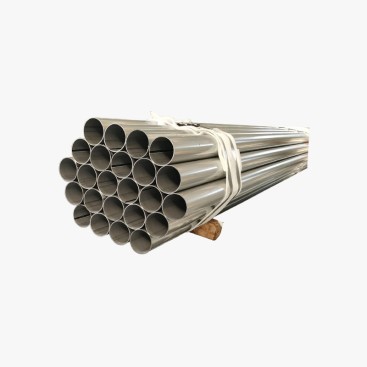
Teda Ganghua Metal is a steel stockist based in Tianjin TEDA, supporting international customers with steel material sourcing, specification coordination, and export services. For enquiries involving aluminium-silicon coated steel tubes, clearly identifying the coating system helps ensure that the inquiry is reviewed against the buyer’s actual application rather than a broad product description.
Customers sourcing aluminium-silicon coated steel tubes can provide their required standard, 方面, coating designation, intended service conditions, and downstream forming requirements. Teda Ganghua can support specification coordination and help clarify the information needed for a commercial quotation.
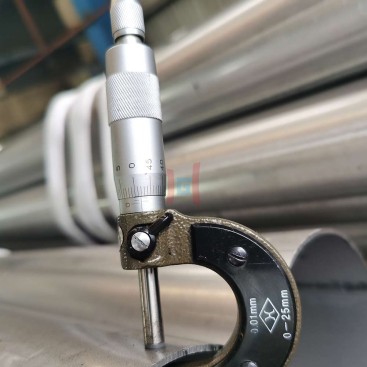
Material test certificate coordination and third-party inspection arrangements can also be supported according to the agreed order requirements. Buyers should confirm the required coating description and acceptance criteria before order placement so that the supply and inspection documentation reflects the intended product.
The word “硅” is not unnecessary detail. It identifies a meaningful part of the coating system and may indicate that the buyer has specific high-temperature or forming requirements. Keeping it in the product name helps preserve the technical intent of the inquiry.
常见问题
1. Why is silicon included in an aluminium-silicon coating?
Silicon influences coating formation, the coating-substrate interface, and the behaviour of the finished coating. It can contribute to coating uniformity, 附着力, and performance under certain service conditions.
2. Does an aluminium-silicon coating improve high-temperature performance?
It can provide improved resistance to high-temperature oxidation and carburizing in suitable applications. Actual performance depends on the coating specification, 基材, and operating environment.
3. Does this coating behave differently during tube bending?
是的. Coating structure and adhesion influence how the surface responds to deformation. Bending and tube-end expansion should be assessed against the actual coating system and forming process rather than assuming all aluminium-based coatings behave identically.
4. Is aluminium-silicon coating the same as pure aluminium coating?
They are different coating systems and should not automatically be treated as interchangeable. Buyers should identify the required coating type in the purchase specification and confirm it against the applicable standard.
5. 采购商在订购铝硅涂层钢管时应注明什么?
他们应该识别完整的涂层描述, 适用标准, 方面, intended service conditions, 成型要求, 及检验标准. 这有助于供应商根据实际应用评估材料.