- 描述
描述
T409 Stainless vs. 镀铝排气管: B2B Sourcing Comparison for Automotive Exhaust Applications
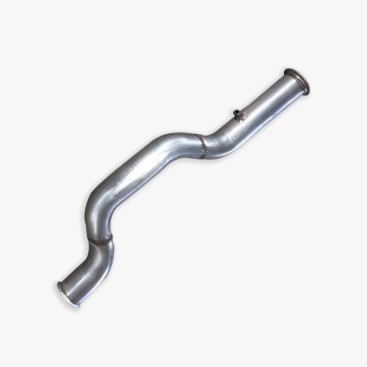
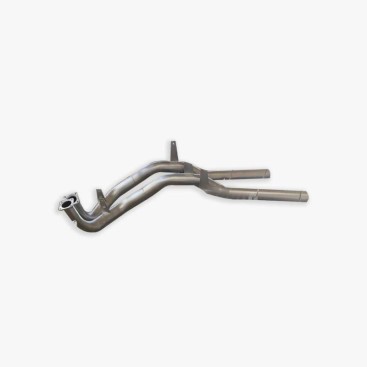
When sourcing 铝制钢排气管 for automotive and industrial exhaust systems, buyers often compare it with T409 stainless steel tubing. Both materials are widely used for exhaust applications because they provide heat resistance, 腐蚀防护, and cost advantages compared with traditional carbon steel.
然而, the two materials serve different market needs. T409 stainless steel provides longer-term corrosion resistance through its chromium alloy structure, while aluminized exhaust tubing achieves competitive performance by combining a steel core with an aluminum-silicon protective coating.
For OEMs, exhaust manufacturers, and distributors, the correct choice depends on climate conditions, expected service life, production volume, and total cost targets.
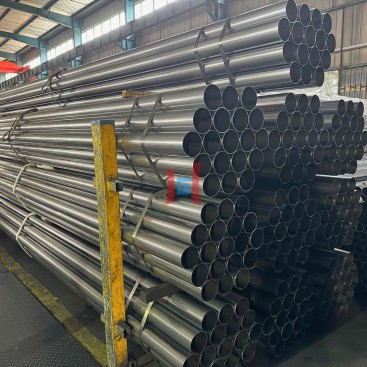
Teda Ganghua supplies aluminized steel tubing solutions for automotive exhaust and industrial applications, offering stable material quality, 定制规格, 和出口支持.
Learn more about our aluminized steel tube products:
渗铝钢管
What Is T409 Stainless Exhaust Tubing?
T409 stainless steel is a ferritic stainless steel grade specifically developed for automotive exhaust applications. It typically contains around 10.5-11.75% 铬, providing oxidation resistance and improved durability compared with carbon steel exhaust tubing.
Because T409 has a ferritic structure, it offers good thermal expansion characteristics and resistance to high-temperature exhaust environments while maintaining reasonable material cost.
What Is Aluminized Steel Exhaust Tubing?
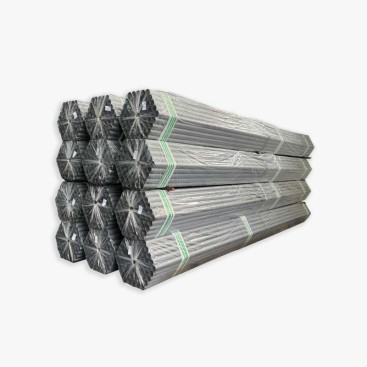
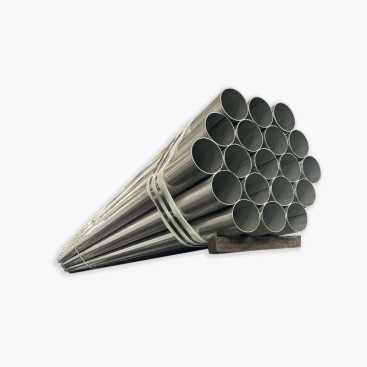
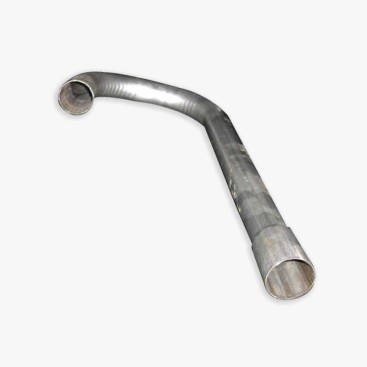
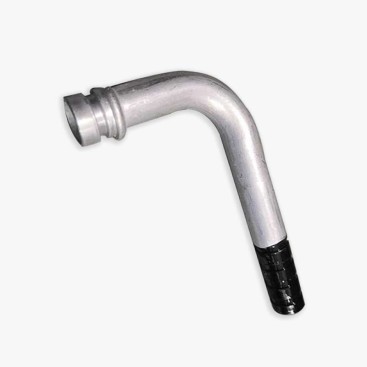
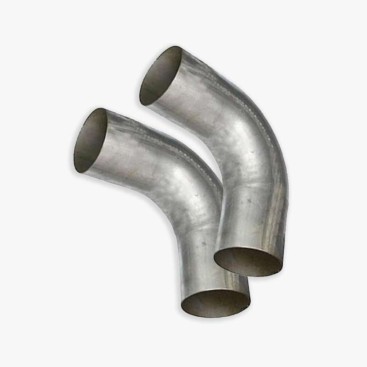
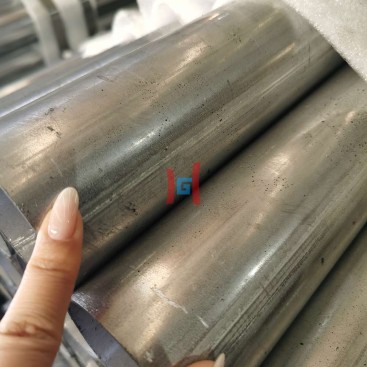
Aluminized steel exhaust tubing is produced by coating carbon steel with an aluminum-silicon alloy layer. The aluminum coating creates a protective barrier that improves oxidation resistance and extends service life in exhaust applications.
The most common type used for exhaust systems is Type 1 渗铝钢, which contains an aluminum-silicon coating designed to improve coating adhesion and high-temperature performance.
T409 Stainless vs. 镀铝排气管: Material Comparison
| 财产 | T409 Stainless Steel | 镀铝钢排气管 |
|---|---|---|
| 基本材料 | Ferritic stainless steel | Carbon steel with aluminum coating |
| Main Protection Mechanism | Chromium oxide passive layer | Aluminum oxide protective coating |
| Chromium Content | 大约 10.5-11.75% | No stainless chromium alloy structure |
| Temperature Resistance | Excellent for exhaust systems | Good with proper coating protection |
| Material Cost | 更高 | 降低 |
| Typical Service Life | Long-term durability | Cost-effective medium-term performance |
Corrosion Resistance Comparison
Corrosion performance is one of the most important factors when selecting exhaust tubing materials.
| Environment | T409 Stainless | 渗铝钢 |
|---|---|---|
| Dry Climate | 出色的 | 出色的 |
| Normal Road Conditions | 非常好 | 好的 |
| Road Salt Exposure | Better resistance | Requires coating integrity |
| Marine Coastal Environment | Preferred | Limited compared with stainless |
| High Humidity Areas | Better long-term protection | Depends on coating thickness |
Heat Resistance Performance in Exhaust Systems
Exhaust tubing experiences repeated heating and cooling cycles. Material stability at elevated temperatures directly affects service life.
| Performance Factor | T409 Stainless | 渗铝钢 |
|---|---|---|
| 氧化抗性 | High due to chromium content | High due to aluminum coating |
| Thermal Cycling | Excellent stability | Good when coating remains intact |
| 表面保护 | Self-renewing oxide layer | Coating-based protection |
成本比较: Which Material Provides Better Value?
For B2B buyers, the lowest material cost is not always the lowest total cost. The ideal material depends on vehicle application, expected warranty period, and production targets.
| Buying Situation | Recommended Material |
|---|---|
| Cost-sensitive exhaust systems | Aluminized steel tubing |
| OEM vehicles requiring longer service life | T409 stainless tubing |
| High-volume production programs | Depends on warranty and market requirements |
| Harsh corrosion environments | T409 stainless steel |
常见应用
| 应用 | Material Choice |
|---|---|
| 汽车排气管 | T409 stainless / 渗铝钢 |
| Mufflers and silencers | Both materials widely used |
| 排气歧管 | Higher temperature grades preferred |
| Commercial vehicles | Aluminized steel for cost control |
| Premium vehicles | T409 stainless for durability |
Key Factors When Sourcing Aluminized Exhaust Tubing
Professional buyers should evaluate more than the material name when selecting suppliers.
- Coating thickness: Determines corrosion protection capability.
- Steel substrate quality: Influences mechanical strength and forming performance.
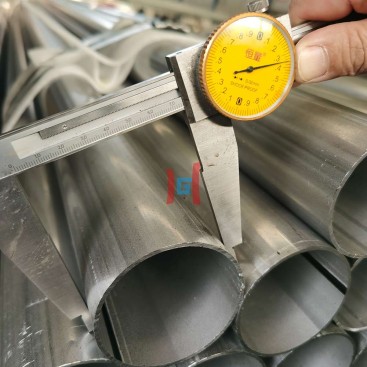
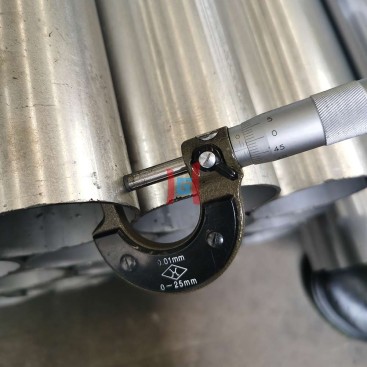
- 管尺寸: 直径, 壁厚, and tolerance affect exhaust system fitment.
- Welding performance: Important for tube forming and exhaust assembly.
- Surface quality: Ensures stable downstream processing.
Why Choose Teda Ganghua for Aluminized Steel Exhaust Tubing?
Teda Ganghua provides aluminized steel tubing solutions designed for automotive and industrial exhaust applications. With professional material knowledge and export experience, we help customers select suitable tubing solutions based on performance requirements and cost objectives.
- Reliable aluminized steel tube supply.
- Suitable specifications for exhaust system manufacturing.
- Stable coating quality and surface performance.
- Customized dimensions and processing support.
- Professional export packaging and logistics solutions.
- Technical support for material selection.
For buyers comparing T409 stainless steel and aluminized exhaust tubing, the best choice depends on the balance between corrosion resistance, 使用寿命, and project budget.
Explore our aluminized steel tube products:
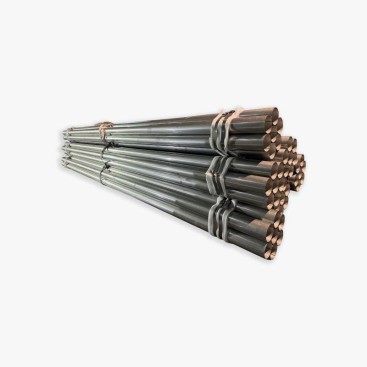
Teda Ganghua Aluminized Steel Tubes
常见问题
Is aluminized steel good for exhaust tubing?
是的. Aluminized steel provides excellent oxidation resistance and cost efficiency, 使其广泛应用于汽车排气系统.
Is T409 stainless better than aluminized steel?
T409 generally provides better long-term corrosion resistance, especially in environments with moisture and road salt exposure.
How should buyers choose between T409 and aluminized exhaust tubing?
The decision should consider service life expectations, environmental conditions, production cost targets, and warranty requirements.