- 描述
描述
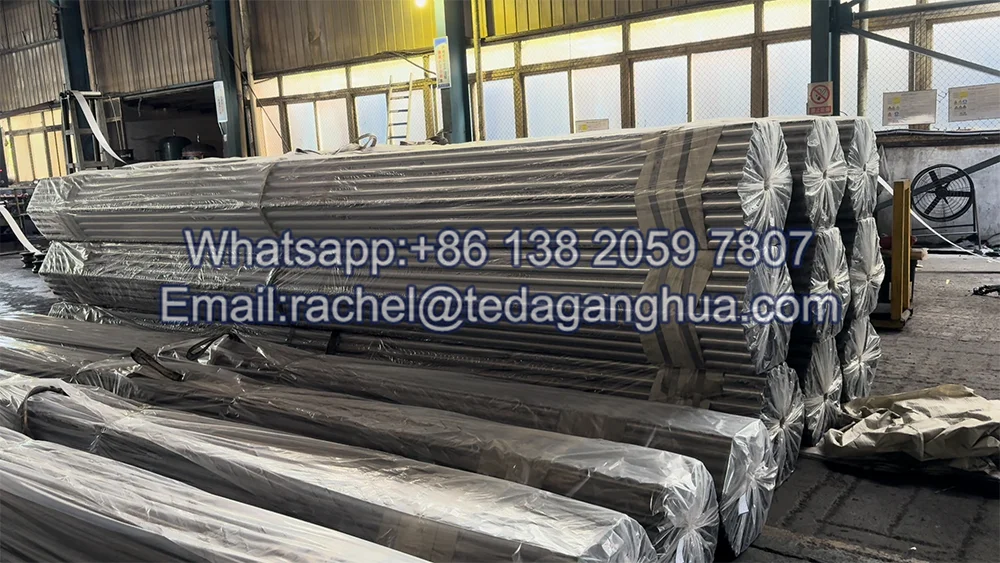
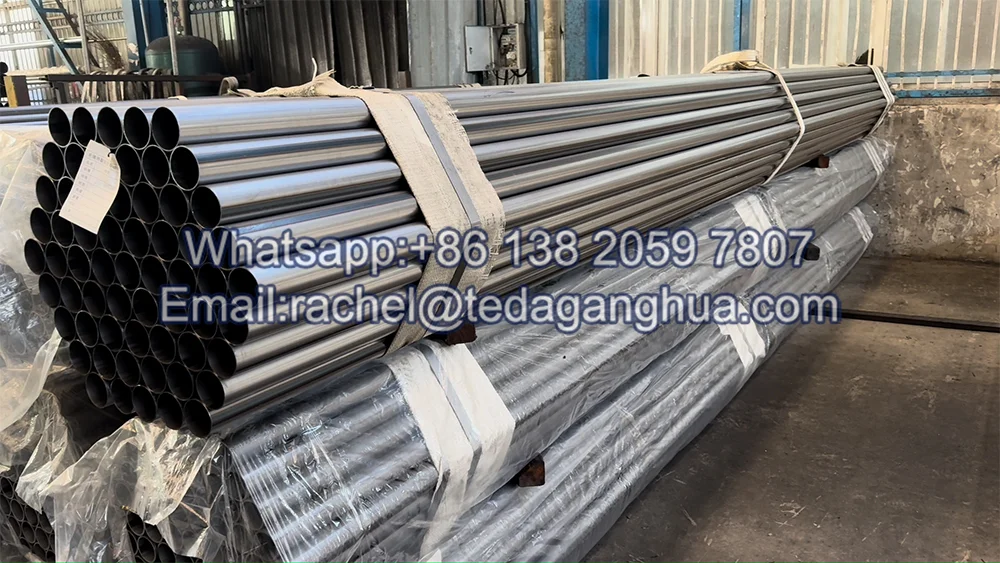
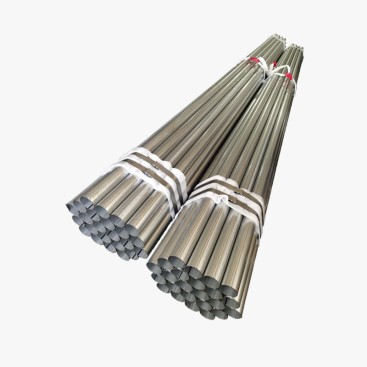
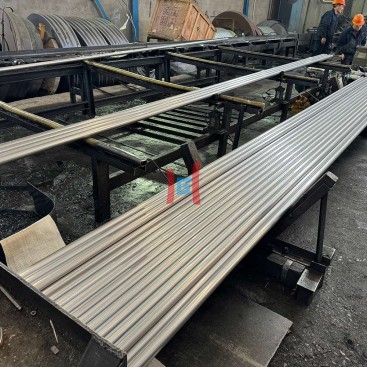
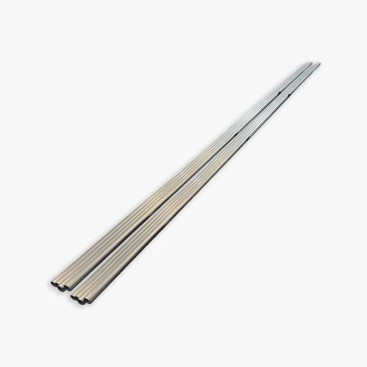
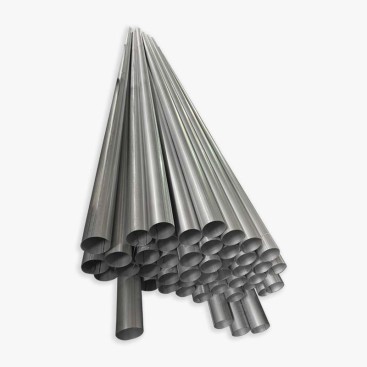
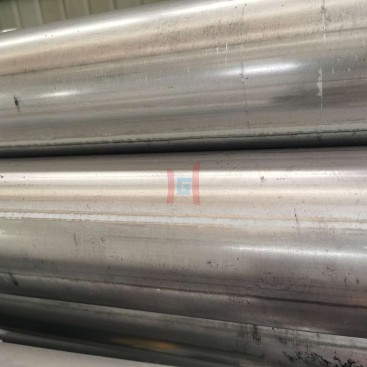
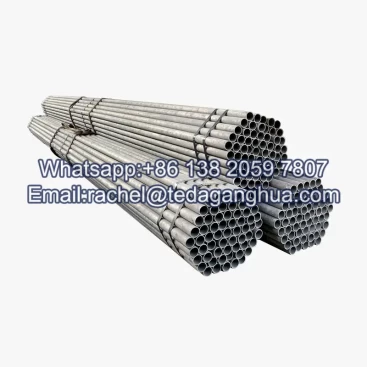
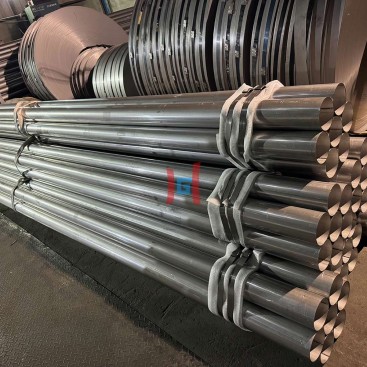
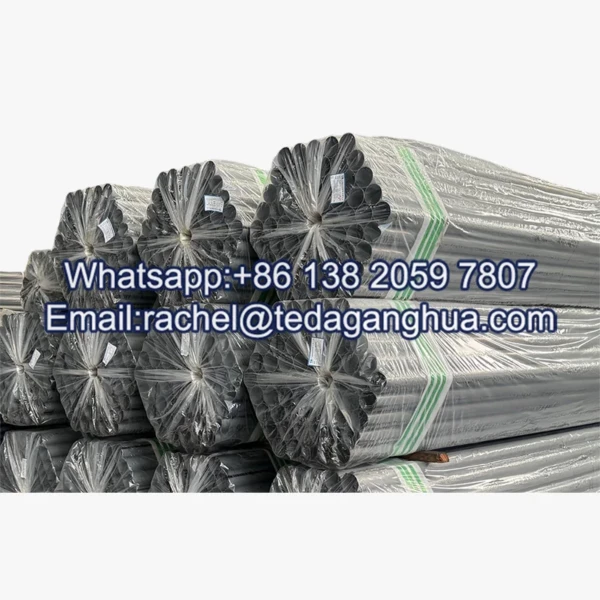
SA1C AS80 aluminized steel tube is a practical material combination for high-volume production where conventional forming requirements and dependable coating protection matter more than advanced deep-drawing capability or a heavier coating specification. SA1C identifies a commercial-grade substrate designation associated with JIS G3314 terminology, while AS80 refers to an aluminum-silicon coating designation in the relevant EN coating system. For suitable applications, this combination offers a balanced starting point for evaluating material utilization, manufacturing performance, and service requirements.
The most economical material is not necessarily the one with the lowest initial purchase cost. It is the one that meets the component’s actual requirements without unnecessary material specifications, excessive processing, or avoidable failure risks. For routine tubing applications, a commercial-grade substrate and a moderate coating mass may be sufficient. 然而, deep-drawn parts, tight-radius bends, and severe corrosive or high-temperature environments may require a different material combination.
1. What Makes SA1C AS80 a Practical Standard Combination?
The combination addresses two fundamental requirements: a substrate suitable for conventional forming and a coating specification selected for the intended operating environment.
| Material element | Specification meaning | Practical benefit |
|---|---|---|
| SA1C substrate | Commercial-grade substrate designation associated with JIS G3314. | May suit roll forming, tube making, and conventional bending when verified material properties meet the design requirements. |
| AS80 coating | Aluminum-silicon coating designation with a nominal combined coating mass of 80 g/m² in the relevant EN designation context. | Provides a defined coating level without automatically specifying a heavier coating. |
| Combined selection | Commercial-grade substrate paired with a moderate coating mass. | Can be a cost-conscious option for repeat production when both forming and service requirements are satisfied. |
JIS G3314 covers hot-dip aluminum-coated steel sheets and strips, while EN 10346 涵盖连续热浸镀扁钢产品. Because the combined designation uses terminology associated with different standards frameworks, buyers should confirm the complete substrate specification, 涂层要求, and finished-tube standard before placing an order.
2. Understanding the AS80 Coating Specification
In the relevant EN coating designation context, AS80 indicates a nominal combined coating mass of 80 g/m² across both sides. If the coating is distributed evenly, this corresponds to approximately 40 每面克/平方米. The actual coating distribution and acceptance limits must be confirmed against the applicable specification.
AS80 at a glance
Nominal combined coating mass: 80 克/平方米.
Approximate coating mass per side: 40 克/平方米, assuming equal distribution.
Selection objective: meet the required protective performance without specifying unnecessary coating mass.
Actual corrosion and oxidation performance depend on temperature, atmosphere, 水分, 涂层连续性, and fabrication damage. No fixed service life should be inferred from coating mass alone.
A moderate coating specification can be suitable for routine heat-resistant and corrosion-protection requirements. 然而, the coating must be assessed against the actual application. Higher temperatures, aggressive process gases, corrosive deposits, and prolonged outdoor exposure may justify a different coating specification or a different material system altogether.
3. Why This Combination Can Be Economical for High-Volume Orders
Conventional Forming Without Unnecessary Grade Requirements
Many tubular components require roll forming, longitudinal welding, straightening, 切割, or ordinary bending rather than deep drawing. When the component geometry falls within the verified forming capability of a commercial-grade substrate, specifying a deep-drawing grade may not provide a meaningful production advantage.
The correct approach is to match the substrate to the forming process. This can help avoid unnecessary material requirements while maintaining the dimensional and mechanical performance needed for the finished part.
A Coating Level Matched to Routine Service
Where AS80 satisfies the actual exposure requirements, selecting a heavier coating may add material cost without a proportionate improvement in service performance. A higher coating mass can provide additional protective reserve, but the benefit depends on the environment, component design, and required operating life.
Consistency Across Repeat Production
For large-volume orders, a clearly defined specification supports repeatability in material purchasing, tube manufacturing, 质量检验, and inventory planning. Standardizing the grade, coating mass, 方面, 公差, and inspection requirements can also make supplier comparisons more meaningful.
Nevertheless, the lowest-cost specification should be selected only after evaluating the full production and service requirements. Savings from a lighter coating or a less demanding substrate can be outweighed by forming defects, weld-zone damage, premature corrosion, or rejected components.
4. Where SA1C AS80 Is Suitable—and Where It Is Not
This combination is most appropriate when conventional forming and a qualified level of coating protection satisfy the component’s requirements. It should not be treated as a universal choice for all aluminized tubular products.
| Application or requirement | Suitability assessment | Alternative consideration |
|---|---|---|
| Routine exhaust-system tubing | Potentially suitable when temperature, condensate, and coating durability requirements are met. | Consider a higher coating mass or another material system if service conditions demand it. |
| HVAC and hot-air ducts | May suit conventional forming and qualified thermal exposure. | Verify operating temperature, atmosphere, and environmental exposure. |
| Deep-drawn components | Not the preferred starting point when demanding drawing capability is required. | Evaluate SA1D or another verified deep-drawing substrate. |
| Tight-radius bending or aggressive expansion | Requires forming trials and coating-integrity assessment. | Consider a more formable substrate and a coating qualified for the deformation. |
| Severe corrosion or prolonged extreme-temperature exposure | Do not assume the standard combination will be sufficient. | Evaluate AS120, AS150, or another suitable material system against the actual service conditions. |
AS120 or AS150 may be worth evaluating when additional coating mass is needed, but increasing coating mass does not automatically solve every corrosion or high-temperature problem. The coating chemistry, operating atmosphere, 基材, and component design must all be considered.
5. 典型应用
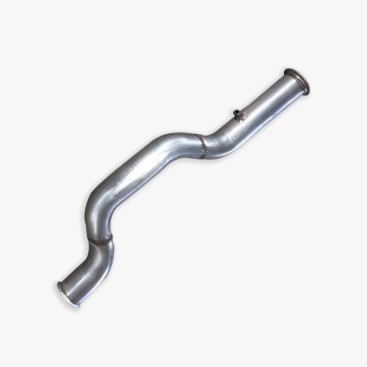
Automotive Exhaust Tubing
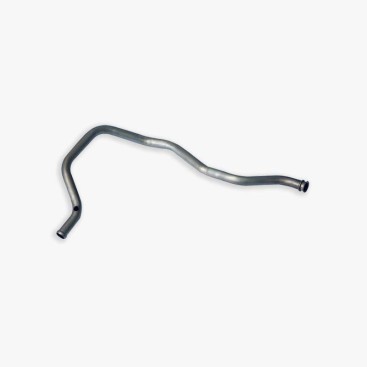
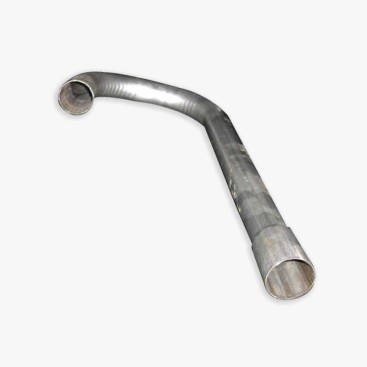
Selected exhaust pipes and related tubular components that meet the material’s verified thermal, 腐蚀, and forming requirements.
HVAC and Hot-Air Ducting
Tubular ductwork and air-conveying components operating within the qualified temperature and environmental limits.
Heat-Resistant Appliance Parts
Selected housings, 管道, and tubular components where surface condition and thermal performance have been verified.
Building and Industrial Tubes
Conventional tubular parts for building, decorative, and general industrial uses where the coating and substrate meet the design requirements.
For exhaust and heating equipment, determine the continuous and peak metal temperatures rather than relying solely on the nominal operating temperature of the system. For outdoor or industrial environments, assess moisture, 盐类, chemical exposure, and damage at cut edges and welded joints.
6. Understanding the Relationship with EN Designations
Procurement teams may encounter EN 10346 designations such as DX51D or DX52D when comparing coated flat steel products across supply chains. These grades provide a useful reference point for discussing commercial forming and drawing requirements, but they should not be treated as direct equivalents of SA1C.
SA1C AS80 and combinations such as DX51D + AS80 or DX52D + AS80 may occupy broadly comparable commercial or forming-oriented selection categories, depending on the application. This is a functional comparison, not a grade-equivalence statement. The standards can differ in chemical composition, mechanical properties, test methods, 涂层要求, and acceptance criteria.
Cross-standard purchasing rule
Use the grade designation as a starting point, then compare the full standard, 机械要求, coating mass basis, 方面, and intended forming operation. Do not substitute one designation for another without technical verification and agreement between the buyer and supplier.
对于成品管材, also verify whether the coating applies to the incoming strip or is controlled after tube manufacture. Weld seams, cut ends, and formed regions may have different coating conditions from the original flat material.
7. Manufacturing and Quality Control Considerations
Even a cost-conscious specification requires consistent manufacturing controls. The following checks help buyers determine whether the proposed material is appropriate for repeat production.
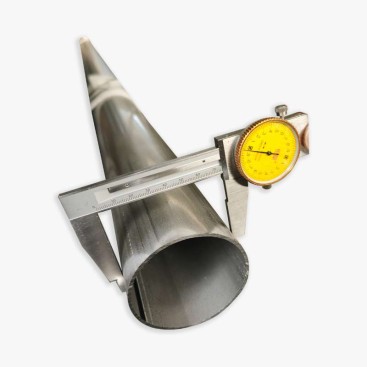
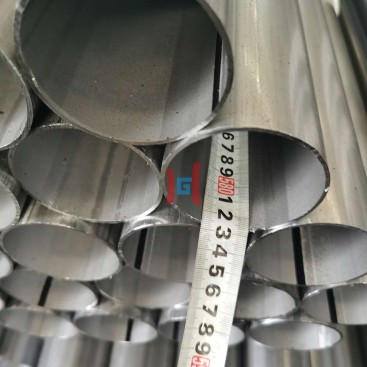
- Dimensions: Verify outside diameter, 壁厚, 长度, straightness, and ovality against the drawing.
- Coating condition: Confirm the specified coating mass and inspect for damage, bare areas, or unacceptable surface defects.
- Weld seam: Inspect weld integrity and assess local coating degradation caused by heat.
- Forming quality: Check for cracks, wrinkles, distortion, and coating damage after bending or tube forming.
- Documentation: Obtain material certificates, coating inspection results, and traceability records as required by the order.
- Application validation: Conduct suitable testing where temperature, corrosive exposure, or forming severity makes performance uncertain.
These controls help avoid a common procurement mistake: selecting a nominal grade and coating designation while leaving the finished-product acceptance requirements undefined.
8. Sourcing Support from Teda Ganghua
Teda Ganghua supports industrial procurement inquiries for coated steel products and tubular materials. For high-volume projects, buyers can provide the substrate designation, 涂层要求, 管尺寸, 成型方法, 运行环境, and inspection criteria to help establish a clear purchasing specification.
Explore 渗铝钢管 and submit your project requirements for review. A complete inquiry helps clarify whether the requested material combination is appropriate for routine production or whether a different substrate, coating mass, or finished-tube specification should be considered.
The goal is to balance material requirements with real operating needs. A well-matched specification can support repeatable production and avoid paying for unnecessary features, while still maintaining the forming performance, coating integrity, and service reliability required by the application.
常见问题
1. Why is SA1C AS80 considered an economical material choice?
It combines a commercial-grade substrate with a moderate coating mass. When these specifications satisfy the component’s forming and service requirements, the combination may avoid unnecessary material requirements without compromising essential performance.
2. What does AS80 mean in coating mass?
In the relevant EN coating designation context, AS80 refers to a nominal combined coating mass of 80 g/m² across both sides. With equal distribution, this is approximately 40 每面克/平方米. The applicable specification should confirm the measurement basis.
3. Can SA1C AS80 be used for deep-drawn components?
It is not the preferred starting point when demanding deep-drawing capability is required. A deep-drawing substrate such as SA1D should be evaluated, with the coating selected according to the required service protection and validated forming performance.
4. When should buyers consider AS120 or AS150?
当使用环境需要额外的保护储备并且涂层系统适合该应用时,请考虑更高的涂层质量. 严重腐蚀或极端温度暴露可能需要不同的材料系统,而不仅仅是较重的涂层.
5. SA1C AS80相当于DX51D吗 + AS80?
不应假设直接等价. 这些名称可能占据广泛可比的商业成型类别, 但他们的标准, mechanical properties, 和验收要求可能不同. 更换材料前确认完整规格.