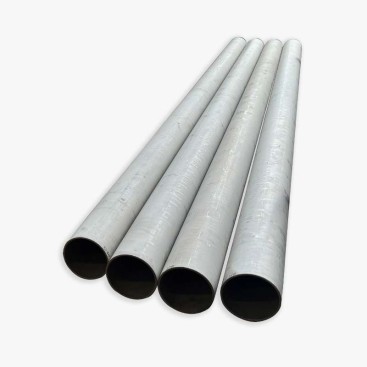
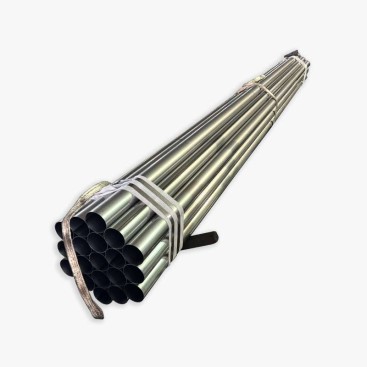
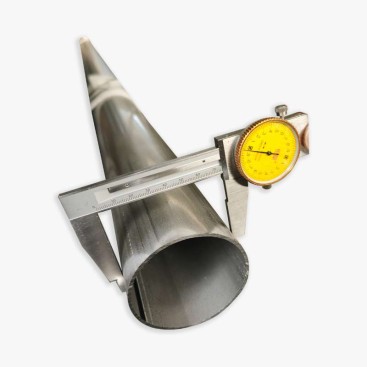
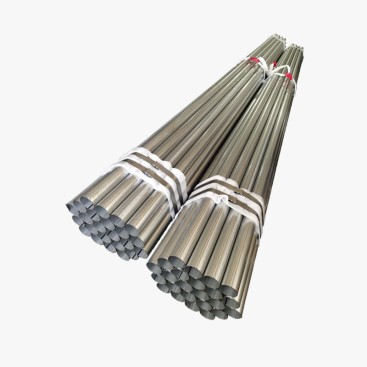
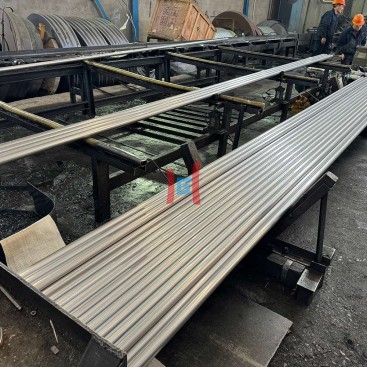
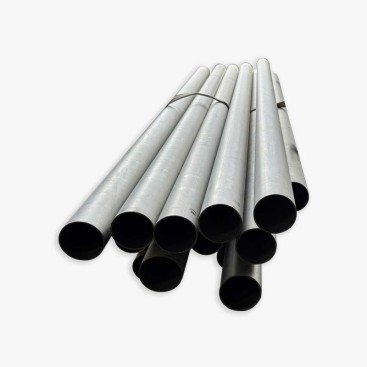
الأنابيب الفولاذية المطلية بالسي


- وصف
وصف
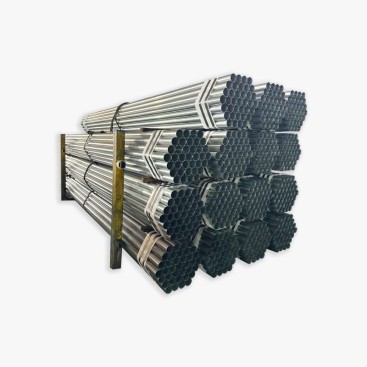
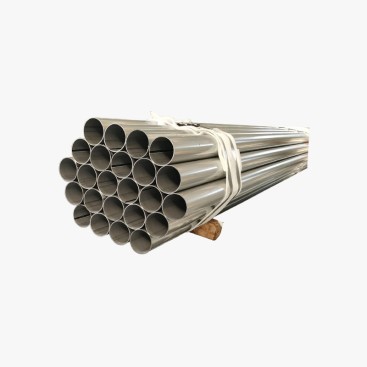
Al-Si coated steel tube is the short-form way to describe a steel tube protected by an aluminum-silicon coating. In technical documents, buyers may also encounter terms such as Al-Si, AluSi, or aluminum-silicon coated steel. These expressions generally point to the same coating family, although the exact coating composition, mass, and standard should always be confirmed before ordering.
آل نعم, AluSi and Aluminum-Silicon: Are They the Same?
Al-Si is simply an abbreviation for الألومنيوم والسيليكون. “AluSi” is another shortened form sometimes used in engineering and purchasing documents. “Aluminum-silicon coated steel” is the full descriptive term.
| Term | Meaning | Typical purchasing use |
|---|---|---|
| آل نعم | الألومنيوم والسيليكون | Compact engineering description |
| AluSi | الألومنيوم والسيليكون | Alternative industry terminology |
| فولاذ مطلي بالسيليكون والألومنيوم | Steel with an Al-Si metallic coating | Formal product description |
The abbreviation alone should not be used as the complete technical specification. كتلة الطلاء, سماكة, درجة الركيزة, أبعاد, and applicable standard should be included in the purchase order.
Why Use Al-Si Instead of Zinc?
The major difference between an aluminum-silicon coating and a zinc coating appears when temperature rises. Zinc-coated steel is highly useful for general atmospheric corrosion protection, but zinc has a relatively low melting point of about 419.5°C. Its protective behavior therefore changes significantly at elevated temperatures.
An aluminum-rich coating is designed for much higher-temperature service. Depending on the substrate and coating system, Al-Si coated steel can be used in applications with continuous temperatures around 660–677°C. The actual service limit must be established from the relevant material specification and operating conditions.
| ملكية | طلاء السي | طلاء الزنك |
|---|---|---|
| Main metal | Aluminum with silicon addition | الزنك |
| High-temperature suitability | Strong advantage | Limited at high temperature |
| تقريبا. melting point of coating metal | الألومنيوم: about 660°C | الزنك: about 419.5°C |
| Atmospheric corrosion protection | جيد جدًا | جيد جدًا |
| Typical strength | High-temperature and oxidation applications | الحماية العامة من التآكل |
The temperatures above describe material characteristics and commonly referenced application ranges. They should not be interpreted as universal maximum operating temperatures for every coated tube.
Three Major Advantages of Al-Si Coating
The aluminum-rich surface forms a protective oxide layer that helps slow oxidation during elevated-temperature exposure.
The coating provides a physical barrier, while aluminum-based protection can also help protect exposed steel locally under suitable conditions.
The bright metallic surface can reflect a portion of radiant heat, which is useful in selected thermal equipment applications.
How the Coating Protects the Steel
Al-Si protection relies heavily on the formation of a stable aluminum oxide film. When the surface is exposed to oxygen at elevated temperature, oxidation produces a relatively protective layer that slows further attack.
Silicon also plays an important role during hot-dip coating. It helps control the iron-aluminum reaction at the coating/substrate interface and limits excessive growth of brittle intermetallic phases. The result is a coating system designed to maintain adhesion through forming and thermal cycling.
The key idea
The coating is not simply a layer of aluminum placed on steel. Its performance comes from the combination of an Al-rich outer coating, a controlled Fe-Al-Si reaction zone, and the steel substrate.
التطبيقات: Exhaust Systems and Industrial Furnaces
The combination of heat resistance and corrosion protection makes this coating system particularly useful in thermal applications. Exhaust systems are a major example because tubes may experience high temperatures, التكثيف, اهتزاز, and road exposure within the same service life.
Automotive Exhaust
Al-Si coated tubes can be used in exhaust pipes, intermediate sections, muffler components, and other parts where protection against oxidation and external corrosion is required. The selected substrate and coating must match the actual exhaust temperature and forming requirements.
Industrial Furnace Components
Selected furnace tubes, thermal equipment components, and oven-related parts can benefit from an aluminum-rich coating because the surface is exposed to heat and oxidation rather than ordinary ambient corrosion alone.
What Does AS90 Mean?
A designation such as AS90 is used in some product specifications to identify an aluminum-silicon coating mass level. The “90” is generally associated with a nominal coating mass expressed in g/m², but the exact definition depends on the applicable standard and whether the value refers to one side, both sides, minimum mass, or nominal mass.
For this reason, “Al-Si coated, AS90” should not be treated as a complete specification by itself. The governing standard and coating measurement method should be stated in the purchase document.
| Purchase item | Example information |
|---|---|
| طلاء | آل نعم |
| Coating grade | AS90, subject to the applicable specification |
| Tube size | Outside diameter × wall thickness |
| طول | Specified cut length or required coil form |
| Inspection | كتلة الطلاء, سماكة, appearance, and required mechanical tests |
What Happens If the Coating Is Scratched?
A damaged coating exposes the underlying steel to the environment. Unlike a perfect intact coating, a deep scratch or cut can become a local corrosion initiation point, especially when moisture and salts are present.
Cut ends deserve particular attention. Tube cutting can expose the steel substrate at the end face, so the end condition should be considered when corrosion protection is important. اعتمادا على التطبيق, suitable edge protection, sealing, design allowance, or post-processing may be required.
Handling recommendations
• Avoid unnecessary contact with abrasive surfaces.
• Protect finished tubes during transport.
• Inspect cut ends and fabricated areas.
• Consider edge protection for severe corrosion environments.
• Confirm welding and forming procedures before mass production.
Al-Si Coated Steel Tube Buying Checklist
For industrial procurement, the coating name is only one part of the specification. A complete inquiry should define the substrate, أبعاد الأنبوب, متطلبات الطلاء, وبيئة الخدمة.
- Steel grade and applicable material standard
- Outside diameter or nominal size
- Wall thickness and dimensional tolerance
- Tube length or coil form
- Al-Si coating designation and applicable standard
- Coating mass or minimum thickness
- Surface condition and allowable defects
- تشكيل, إحراق, الانحناء, or welding requirements
- Operating temperature and corrosion environment
- Inspection documents and certification requirements
Source Al-Si Coated Steel Tubes
Teda Ganghua supports industrial sourcing for coated steel tubes used in exhaust, المعدات الحرارية, and fabrication applications. Buyers can review the أنابيب الصلب بالألمنيوم range and provide the required diameter, سمك الجدار, طول, درجة الركيزة, تسمية طلاء, coating mass, ومتطلبات التفتيش.
For projects involving high heat, it is recommended that the inquiry also include the maximum continuous temperature, درجة حرارة الذروة, thermal cycling pattern, atmosphere, and forming process. These details are important when determining whether the selected coated tube is suitable for actual service.
التعليمات
What does Al-Si mean in coated steel tubes?
Al-Si means aluminum-silicon. It describes a metallic coating system in which aluminum is the main coating element and silicon is added to control the coating/substrate reaction.
Is Al-Si better than galvanized steel for high-temperature service?
For elevated-temperature applications, an aluminum-silicon coating generally has a significant advantage because aluminum-based coatings are designed to remain protective at temperatures far above the range where zinc coatings become unsuitable. The correct choice still depends on the actual operating environment.
What is AS90 coating?
AS90 is a coating-mass designation used in certain specifications for aluminum-silicon coated steel. The exact measurement basis must be confirmed against the applicable standard because coating-mass definitions can vary.
Can Al-Si coated tubes be used for exhaust systems?
نعم. يتم اعتبارها عادةً لأنابيب العادم والمكونات ذات الصلة لأنها تجمع بين قوة الفولاذ ومقاومة الأكسدة والتآكل الخارجي. يجب اختيار الركيزة والطلاء وفقًا لدرجة الحرارة الفعلية وظروف التصنيع.
ما الذي يجب فعله بعد قطع الأنبوب المطلي بالسي?
يجب فحص منطقة القطع لأن القطع يمكن أن يعرض الركيزة الفولاذية. حيث ستتعرض النهاية للرطوبة, أملاح, أو ظروف الخدمة المسببة للتآكل, قد تكون هناك حاجة إلى حماية مناسبة للحافة أو معالجة خاصة بالتصميم.