- وصف
وصف
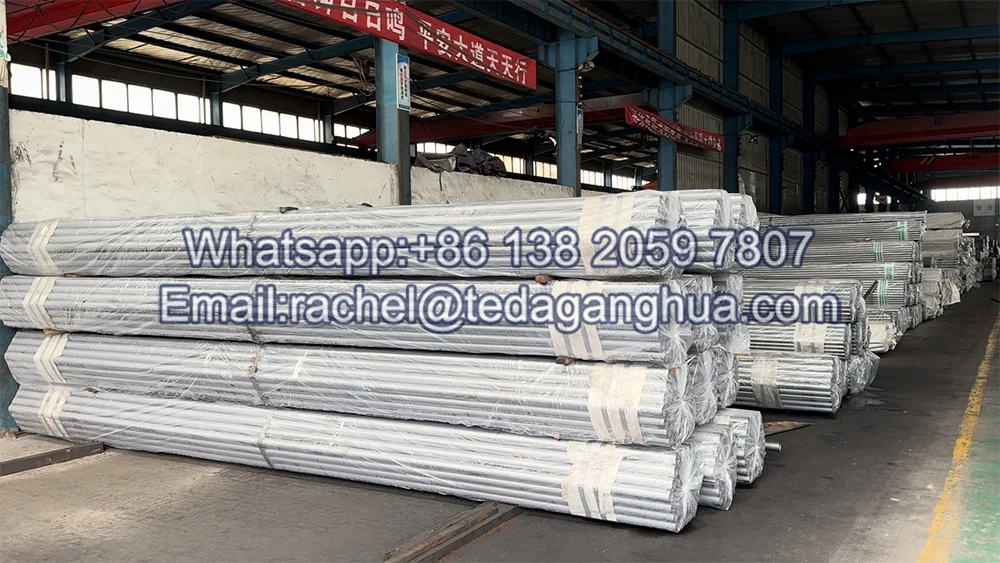
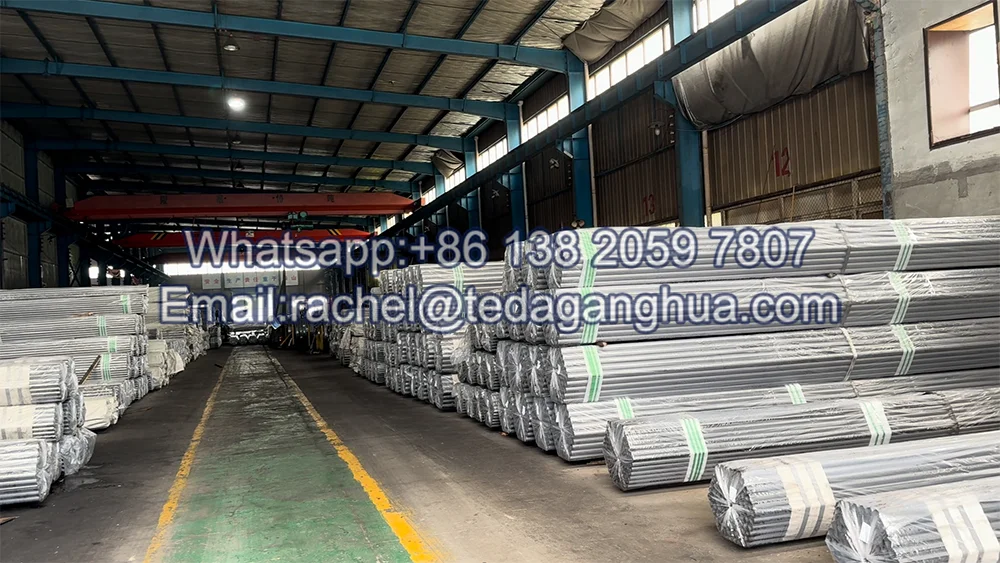
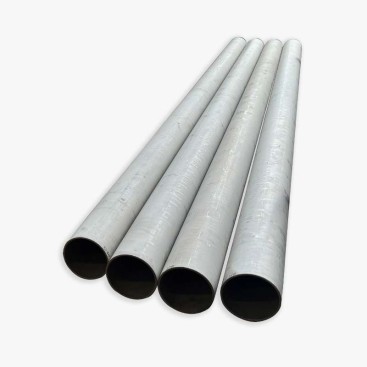
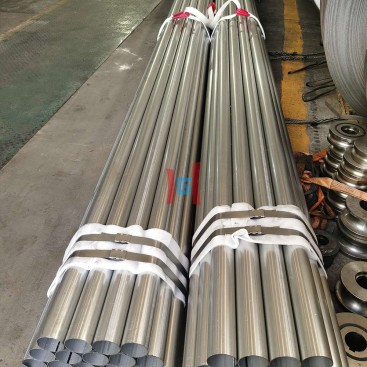
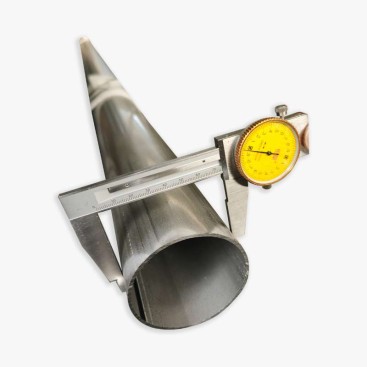
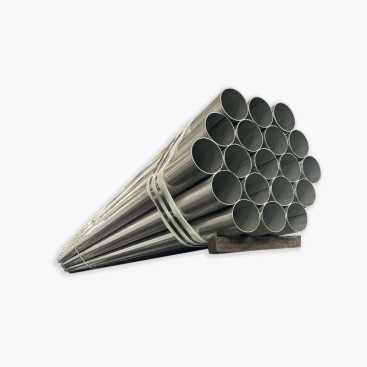
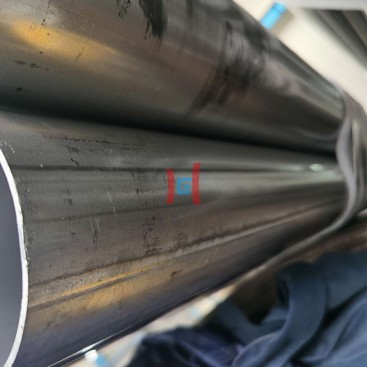
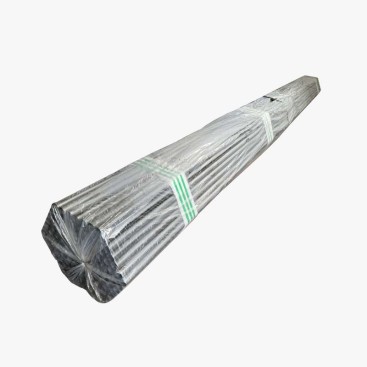
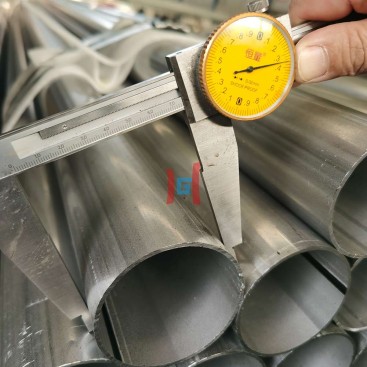
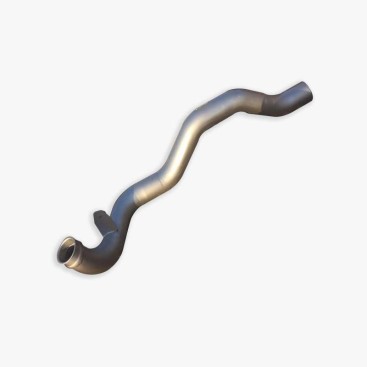
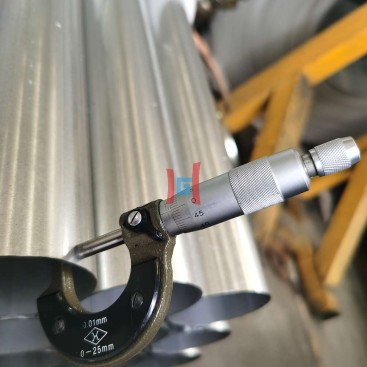
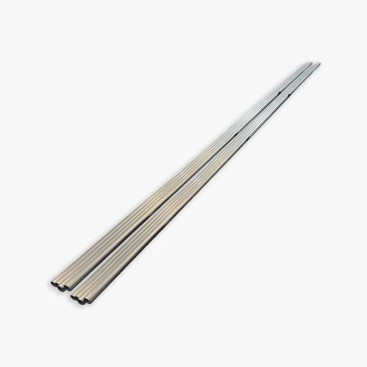
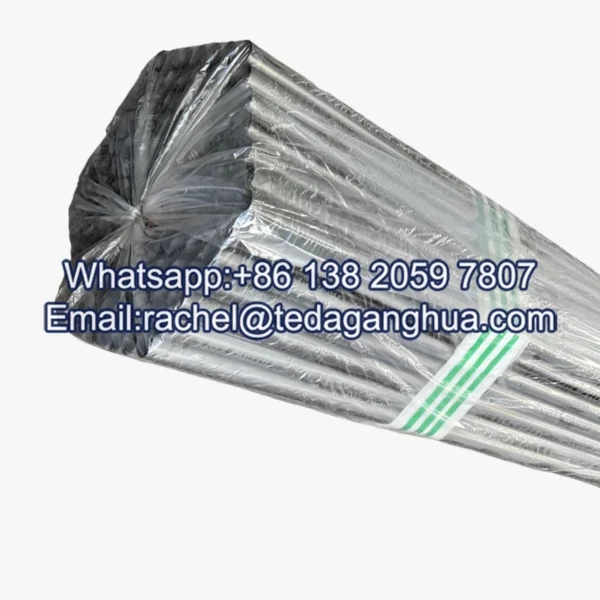
SA1C AS120 aluminized steel pipe is a material combination worth considering when a component requires substantial coating protection but does not involve demanding deep-drawing operations. SA1C represents a commercial-grade substrate designation associated with JIS G3314 terminology, while AS120 identifies an aluminum-silicon coating designation associated with the EN coating system. Together, they offer a potential solution for straight pipes, large-radius bends, hot-air ducts, furnace protection tubes, and exposed tubular components where coating performance takes priority over advanced forming capability.
The key selection question is not simply whether a heavier coating is better. Buyers must balance the required protective performance against the deformation that the finished pipe will experience during fabrication. For relatively simple geometries, allocating more of the material specification toward coating protection may be practical. For tight bends, إحراق, or other demanding forming operations, a deep-drawing substrate with a lighter coating may be a more suitable starting point.
1. Understanding SA1C AS120: Substrate Grade Plus Coating
The designation combines two distinct material characteristics. SA1C identifies the substrate grade, while AS120 describes the coating requirement. Because these designations are associated with different standards frameworks, the complete material specification should identify the applicable substrate standard, coating standard, and requirements for the finished tubular product.
| Specification element | Meaning | Engineering implication |
|---|---|---|
| SA1C | Commercial-grade substrate designation associated with JIS G3314 terminology. | Suitable forming operations must be established from the applicable material properties and component geometry. |
| AS120 | Aluminum-silicon coating designation associated with the EN coating system. | Specifies a higher nominal coating mass than AS80 in the relevant designation context. |
| Finished pipe | Tubular product manufactured according to the agreed production route. | Requires separate confirmation of dimensions, لحام, استمرارية الطلاء, and acceptance criteria. |
JIS G3314 covers hot-dip aluminum-coated steel sheets and strips, whereas EN 10346 يغطي باستمرار منتجات الصلب المسطح المطلي بالغمس الساخن. Combining their terminology can communicate the intended material characteristics in commercial discussions, but it does not automatically establish that a finished pipe complies with both standards. Buyers should specify the relevant standards and finished-pipe requirements explicitly.
2. Why Choose AS120 When Formability Is Not the Main Priority?
For relatively simple tubular components, the design may not require the additional forming capability associated with a deep-drawing substrate. If the geometry mainly involves straight sections or generous bending radii, a commercial-grade substrate may satisfy the forming requirements, subject to verification. The material specification can then prioritize the coating mass needed for the service environment.
Higher Nominal Coating Mass
In the relevant EN coating designation context, AS120 represents a nominal combined coating mass of 120 g/m² across both sides. If distributed evenly, this corresponds to approximately 60 جم/م² لكل جانب. Actual distribution and acceptance must be confirmed against the applicable product specification.
Compared with AS80, which represents a nominal combined coating mass of 80 g/m² in the same designation context, AS120 provides 50% more nominal coating mass. This can provide additional protective reserve under suitable operating conditions, but it does not guarantee a 50% increase in service life or oxidation resistance.
Coating mass comparison
AS80: 80 g/m² nominal combined coating mass, approximately 40 g/m² per side with equal distribution.
AS120: 120 g/m² nominal combined coating mass, approximately 60 g/m² per side with equal distribution.
The higher coating mass may be beneficial when longer protective performance is required, but the result depends on temperature, atmosphere, استمرارية الطلاء, and environmental exposure.
Avoid Paying for Unnecessary Deep-Drawing Capability
Material selection should match the component’s actual forming requirements. If a pipe requires no deep drawing and only limited shaping, specifying a deep-drawing substrate may not deliver a meaningful manufacturing benefit. A commercial-grade substrate with a higher coating mass may be a more rational option when the required forming performance is verified and coating protection is the greater priority.
This is not a universal cost-saving rule. The complete comparison must account for material availability, processing yield, الأدوات, تقتيش, service conditions, and the cost of repairing coating damage or replacing a failed component.
3. The Trade-Off: A Heavier Coating Can Increase Forming Risks
A thicker coating is not automatically the best choice for every fabricated pipe. During bending, إحراق, or expansion, the coating experiences deformation alongside the steel substrate. Depending on coating structure, التصاق, forming strain, and tooling, the surface may crack, flake, or become locally damaged. Exposed substrate can reduce the intended protection and create additional inspection or repair requirements.
SA1C AS120 therefore requires particular attention when the design combines a commercial-grade substrate, a relatively high coating mass, and severe local deformation. The combination can be challenging for tight-radius bends or aggressive expansion operations. It should not be described as inherently the most fragile in every situation, because actual performance depends on the material condition and forming process. Nevertheless, it warrants careful qualification before production.
| Material combination | Forming priority | Potential application fit |
|---|---|---|
| SA1D + AS120 | Higher forming capability with a higher coating mass | Consider when both demanding forming and increased coating protection are required, subject to validation. |
| SA1C + AS80 | Commercial-grade forming with a moderate coating mass | Consider for simpler forming where the lower coating mass meets the protection requirement. |
| SA1C + AS120 | Commercial-grade forming with a higher coating mass | Consider for straight pipes and large-radius bends where coating protection is a priority. |
| SA1D + AS80 | Deep-drawing capability with a moderate coating mass | Consider for tighter or more complex forming where AS80 provides sufficient protection, subject to testing. |
For a component that needs tight-radius bending, expansion, or significant local deformation, SA1D with AS80 may be a useful alternative to evaluate first. For straight pipe sections and generously curved components where coating protection is the priority, SA1C with AS120 may be more appropriate. These are selection guidelines rather than universal rules; actual material properties and production trials should determine the final specification.
4. Typical Applications for SA1C AS120 Pipe
This combination may be considered for tubular components that experience heat or environmental exposure but do not require extensive deep drawing. Its suitability depends on the operating conditions, سلامة الطلاء, and the requirements of the finished pipe.
High-Temperature Ducting
Evaluate for straight duct sections and selected hot-air conveying systems where the coating is qualified for the actual temperature and atmosphere.
Furnace and Kiln Piping
Consider for suitable protective tubes and furnace-related piping after checking thermal cycling, peak metal temperature, and exposure to combustion gases.
Outdoor Exposed Tubes
Assess for long-term outdoor components where coating protection is important. Moisture retention, salt exposure, cut edges, and local damage remain relevant.
Industrial and Environmental Equipment
Potentially suitable for selected non-pressure ducts and tubular components in industrial or environmental equipment, provided the coating is compatible with the process atmosphere.
For chemical and environmental equipment, identify the actual gas composition, رُطُوبَة, contaminants, and operating temperatures before approving the material. An aluminum-silicon coating should not be assumed to provide universal resistance to aggressive chemicals or every high-temperature environment.
For pressure-containing service, the complete pipe design must separately address pressure rating, سمك الجدار, applicable construction codes, جودة اللحام, ومتطلبات التفتيش. A coating designation alone does not establish pressure suitability.
5. Fabrication Recommendations for High-Coating-Mass Pipe
Use Generous Bending Radii
Where the design permits, increase the bend radius to reduce localized strain on the coated surface. The acceptable radius depends on tube diameter, سمك الجدار, material condition, الأدوات, and the amount of deformation. Confirm the proposed geometry through forming trials or an appropriate engineering assessment.
- Avoid unnecessarily tight bends and abrupt transitions.
- Inspect the outer bend surface for cracking or flaking after forming.
- Check for distortion, التجاعيد, and dimensional deviations that could affect assembly.
- Validate the coating condition at the actual bend radius before mass production.
Avoid Unqualified Punching on Coated Surfaces
Punching holes through coated steel can damage the coating around the hole and expose the underlying substrate at the cut edge. Where possible, plan hole locations and manufacturing sequences to minimize damage. If punching is unavoidable, establish suitable tooling and inspect the hole perimeter for coating defects. Apply a compatible protective treatment where the service environment requires it.
Protect the Weld Zone
Tube welding can remove or degrade the coating around the seam because of concentrated heat. The original coating mass does not guarantee equivalent protection at the weld or heat-affected zone.
- Use a qualified welding procedure appropriate for the substrate and wall thickness.
- Control heat input and prepare the joint according to the approved procedure.
- Inspect the weld seam and adjacent areas for defects and coating damage.
- Restore protection to the weld area with a compatible treatment when required by the design and service environment.
- Provide suitable ventilation and protective measures to control fumes from welding coated steel.
6. What Buyers Should Specify Before Ordering
A complete inquiry should define the substrate, طلاء, finished-pipe geometry, fabrication process, and service conditions. This helps suppliers determine whether the selected combination is technically appropriate and prevents the coating designation from being mistaken for a complete pipe specification.
Procurement checklist
- Substrate designation and complete applicable standard.
- Coating system, nominal mass, أساس القياس, and distribution requirements.
- Outside diameter, سمك الجدار, طول, and dimensional tolerances.
- Straight-pipe, large-radius bend, tight-radius bend, or expansion requirements.
- Operating temperature, ركوب الدراجات الحرارية, atmosphere, and chemical exposure.
- Welding method, seam acceptance criteria, and post-weld protection.
- Material certificates, coating inspection results, and traceability requirements.
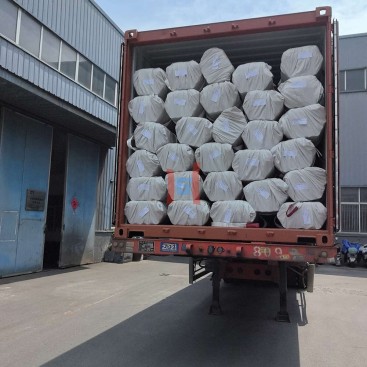
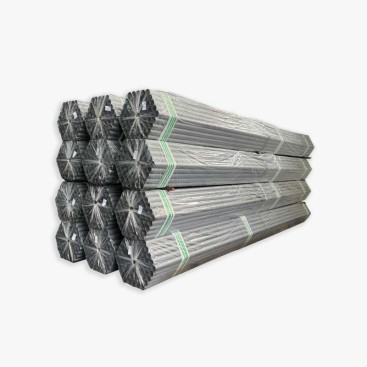
- Packaging, storage, surface condition, and final inspection criteria.
For the most reliable assessment, provide a drawing or dimensional specification along with the expected service environment. If the pipe will be bent or expanded after delivery, identify the forming sequence so that coating integrity can be evaluated at the most demanding stage of fabrication.
7. Sourcing Support from Teda Ganghua
Teda Ganghua supports industrial buyers sourcing coated steel products and tubular materials for manufacturing and equipment applications. For projects considering a commercial-grade substrate with a higher aluminum-silicon coating mass, the purchasing team should confirm the required coating specification, pipe dimensions, bend geometry, عملية اللحام, and operating conditions before finalizing the material selection.
Explore أنابيب الصلب بالألمنيوم and provide your technical requirements for review. Including drawings, التحمل الأبعاد, متطلبات الطلاء, service temperatures, and inspection documentation needs helps clarify whether the proposed product matches the intended application.
The objective is to match coating protection with the actual forming demands of the component. For straight or large-radius tubular parts, a higher coating mass may be a useful priority. For severe bending or expansion, a more formable substrate and a suitably qualified coating may help reduce fabrication risks and avoid preventable quality disputes.
الأسئلة المتداولة
1. What does SA1C AS120 mean?
SA1C identifies a commercial-grade substrate designation associated with JIS G3314 terminology, while AS120 refers to an aluminum-silicon coating designation associated with the EN coating system. The complete standards and finished-pipe requirements should be confirmed before ordering.
2. Is AS120 always better than AS80?
لا. AS120 has a higher nominal coating mass in the relevant designation context, which may provide additional protective reserve under suitable conditions. AS80 may be sufficient for other applications and can be preferable where forming requirements and material utilization favor a lighter coating.
3. Is SA1C AS120 suitable for tight-radius bending?
It should be evaluated carefully. A higher coating mass does not automatically make tight bending impossible, but severe deformation can cause coating cracking or flaking. For demanding bends, consider a deep-drawing substrate with a lighter coating and validate the proposed combination through forming trials.
4. Which applications may benefit from this material combination?
Potential applications include straight hot-air ducts, selected furnace piping, large-radius tubular components, and certain outdoor or industrial equipment parts. Actual suitability depends on temperature, atmosphere, سلامة الطلاء, التعرض للتآكل, and the applicable design requirements.
5. How should the coating be protected after welding?
Inspect the weld seam and heat-affected area, then apply a compatible protective treatment where required by the operating environment and project specification. The treatment should be selected for its suitability at the actual service temperature and exposure conditions.