Was ist ein aluminisiertes Stahlrohr?? Vollständiger Leitfaden zur Beschichtung, Eigenschaften, Anwendungen & Standards
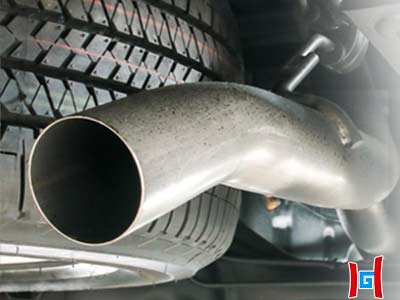
Aluminierte Stahlrohre sind zu einem wichtigen Werkstoff in Branchen mit immer höheren Anforderungen an die mechanische Festigkeit geworden, Hitzebeständigkeit, und Korrosionsbeständigkeit. Made from a steel substrate coated with a protective aluminum-silicon layer, aluminized steel tubes offer an effective balance of durability, thermische Leistung, and service life. They are widely used in automotive exhaust systems, Industrieöfen, Wärmetauscher, and high-temperature ventilation systems.
What Are Aluminized Steel Tubes?
Aluminized steel tubes are carbon steel tubes coated with an aluminum-based alloy through a hot-dip aluminizing process. The coating forms a metallurgical bond with the steel substrate, creating a highly protective outer layer.
Their core value lies in combining:
- The structural strength of steel
- The corrosion resistance of aluminum
- Excellent heat resistance and thermal reflectivity
Stahlkern: The Substrate
The substrate plays a crucial role in determining the final performance of aluminized steel tubes. Common steel grades include:
| Standard | Common Grade | Main Application |
|---|---|---|
| ASTM | A53 | General-purpose structural tubing |
| ASTM | A106 | Hochtemperaturbetrieb |
| ASTM | A36 | Structural fabrication |
| DIN | St37 | Industrial tubing |
| GB | Q235 | General-purpose steel applications |
The chemical composition, carbon content, and wall thickness uniformity of the steel all affect coating adhesion and long-term performance.
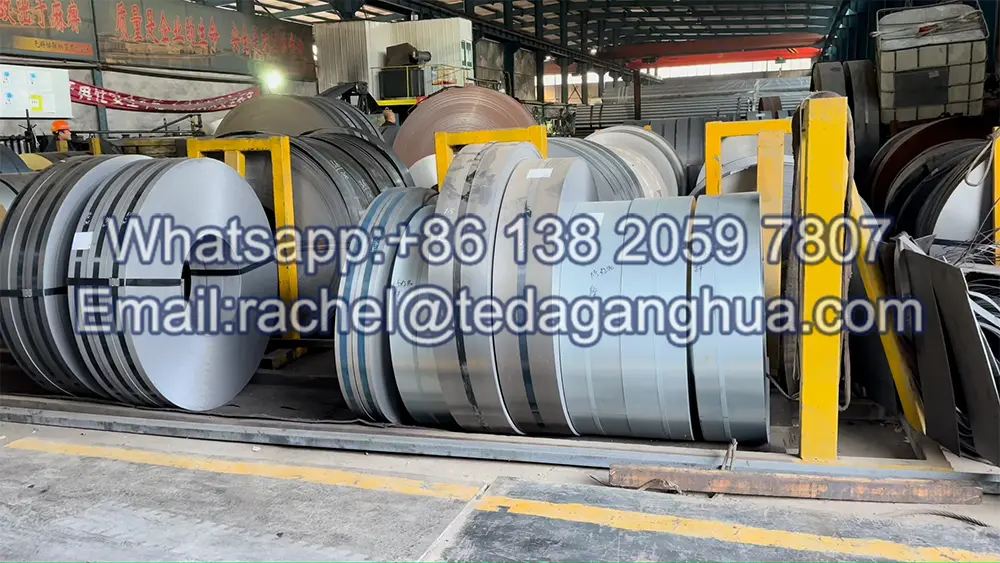
Vor dem Beschichten, the substrate typically undergoes the following treatments:
- Beizen
- Flux treatment
- Drying and preheating
Aluminum-Silicon Alloy Coating
What distinguishes these tubes is their aluminized coating. A typical Type 1 aluminized coating contains:
- Aluminium: etwa 90%
- Silizium: 9–10% [Die Rolle von Silizium in aluminiertem Stahl: Why 9–10% Silicon Content Matters]
- Trace amounts of iron
Silicon plays a crucial role in controlling the growth of brittle iron-aluminum intermetallic compounds.
Beschichtungsstruktur
Outer pure aluminum layer
↓
Aluminum-silicon alloy layer
↓
Fe-Al-Diffusionsschicht[The Fe-Al Intermetallic Layer in Aluminized Steel: Bildung, Dickenkontrolle, and Quality]
↓
Stahlsubstrat
How the Coating Bonds to Steel
The hot-dip aluminizing process includes:
- Preheating the steel tube[How to Weld Aluminized Steel Pipe Without Damaging the Aluminum Coating]
- Immersion in a molten aluminum bath at 680–720°C
- Controlled withdrawal[Forming and Bending Aluminized Steel Tubes Without Coating Damage]
- Cooling and solidification
During immersion, iron and aluminum atoms diffuse at high temperatures, forming a strong metallurgical bonding layer.[Aluminized Steel Coating Repair: Post-Processing Repair Methods and Solutions]
The main intermetallic compounds include:
- FeAl₃
- Fe₂Al₅
Controlling the thickness of these layers is essential to prevent excessive embrittlement.[Feueraluminisierungsprozess: Wie aluminisierte Stahlrohre hergestellt werden]
Typ 1 vs. Typ 2 Aluminierter Stahl
| Eigentum | Typ 1 | Typ 2 |
|---|---|---|
| Coating composition | Silicon content of 8–11% | More than 99% Aluminium |
| Main advantage | Hitzebeständigkeit | Atmosphärische Korrosionsbeständigkeit |
| Typical application | Abgasanlagen | Roofing and architectural panels |
Schlüsseleigenschaften
| Eigentum | Leistung |
|---|---|
| Hitzebeständigkeit | Withstands temperatures of up to 700–800°C (Typ 1)[Typ 1 vs. Typ 2 Aluminierter Stahl: Beschichtungsunterschiede, Hitzebeständigkeit, and Application Guide] |
| Korrosionsbeständigkeit | Superior to galvanized steel in high-temperature environments |
| Thermal reflectivity | More than 80% |
| Mechanical strength | Retains the strength of the substrate |
[ASTM B117 Salzsprühtest für aluminisierten Stahl: A Detailed Look at Corrosion Performance]
[ASTM B117 Salzsprühtest für aluminisierten Stahl: Test Duration, Leistung, and Corrosion Comparison]
Aluminisiert, Verzinkt, and Stainless Steel Tubes
| Eigentum | Aluminierter Stahl | Verzinkter Stahl | Edelstahl |
|---|---|---|---|
| Hitzebeständigkeit | Exzellent | Arm | Exzellent |
| Korrosionsbeständigkeit | Hoch | Mäßig | Very high |
| Schweißbarkeit | Gut | Mäßig | Gut |
| Lebensdauer | Lang | Mäßig | Very long |
Mehr lesen:[Aluminierter Stahl vs. Verzinkter Stahl: Was bei Hochtemperaturanwendungen eine bessere Leistung erbringt?]
[Aluminierter Stahl, 409 Edelstahl, Und 304 Auspuffrohre aus Edelstahl: A Guide to Cost, Lebensdauer, und Leistung]
[Wie erkennt man aluminisierten Stahl? 409 Edelstahl]


Allgemeine Anwendungen
- Abgassysteme für Kraftfahrzeuge[Warum Autohersteller aluminisierten Stahl für Abgassysteme wählen | Heat Resistance and Corrosion Protection]
- Industrieofenrohre
- Wärmetauscher[Why Aluminized Steel Tubes Are Used in Heat Exchangers | Heat Resistance and Cost Efficiency]
- Ventilation and chimney systems[Why Aluminized Steel Tubes Are Ideal for Industrial Chimneys and Flue Systems]
- Landwirtschaftliche Trocknungsgeräte
Standards and Specifications
- ASTM A929
- ASTM A463 / A463M
- ER G3314
- IN 10346
- GB/T standards
[Global Aluminized Steel Tube Standards: A Comparative Guide to ASTM, ER, IN, and GB Standards]
Buying Guide
How to Evaluate Coating Quality
- Bend testing to evaluate adhesion performance
- Metallographic analysis
- Schichtdickenmessung
Common Defects
- Pinholes
- Coating blisters
- Overly brittle alloy layers
[Common Defects in Aluminized Steel Tubes: Causes, Inspection, and Prevention Guide]
Key Purchasing Parameters
[Aluminized Steel Tube Quality Inspection: 5 Tests Buyers Should Know]
Be sure to specify:
- Outside diameter
- Wall thickness
- Coating thickness
- Typ 1 oder Typ 2
- Required standard
Professional Supply and Processing Support
Teda Ganghua supplies high-quality aluminized steel tubes for a wide range of industrial and commercial applications. With advanced processing capabilities, strenge Qualitätskontrolle, and extensive global export experience, Teda Ganghua provides customized dimensions, Schneiden, Herstellung, and logistics solutions to meet customer requirements.
Click here to explore more products:
Aluminisierte Stahlrohre
Häufig gestellte Fragen
1. Are aluminized steel tubes suitable for outdoor use?
Ja. Typ 2 aluminized steel is particularly suitable because it offers excellent resistance to atmospheric corrosion.
2. Can aluminized steel tubes withstand high temperatures?
Ja. Typ 1 aluminized steel can typically withstand temperatures of up to 700–800°C. [Warum OEMs bevorzugen 409 Edelstahl für Abgassysteme]
3. Is aluminized steel better than galvanized steel for exhaust systems?
Ja. Aluminisierter Stahl schneidet bei Hochtemperatur-Abgasanwendungen deutlich besser ab.[Abgasmaterialien: 439 vs 441 vs 409 & Aluminisiert 409]
4. What is the main benefit of silicon in the coating?
Silicon helps control the growth of the intermetallic layer and reduces coating brittleness.
5. Which industries use aluminized steel tubes most extensively?
The automotive, Industrieheizung, Belüftung, and heat exchanger manufacturing sectors are the main users. [Aluminisierte Stahlrohre für Nutzfahrzeugauspuffanlagen]
[2025 Aluminized Steel Tube Price Guide: Factors That Affect Cost]