Comparación de materiales de escape: Acero aluminizado vs. 409 vs 304 vs titanio
Mapa de materiales de escape para el mercado de modificaciones: Comparación de acero aluminizado, 409, 304 and Titanium Systems
The automotive modification market offers multiple exhaust material choices, from cost-focused solutions to high-performance racing systems. Sin embargo, material selection is not only about appearance or brand perception. Peso, resistencia a la corrosión, resistencia al calor, fabrication difficulty, and service life all determine the real performance of an exhaust system.
Among common exhaust materials, bobina de acero aluminizado, 409 acero inoxidable, 304 acero inoxidable, and titanium alloy represent different levels of engineering performance. Understanding their differences helps manufacturers and users select the right material for each application.
Exhaust Material Grades: From Practical Use to High Performance
Each material has its own position in the exhaust market. Some focus on cost efficiency and mass production, while others prioritize lightweight design, extreme temperature resistance, or premium appearance.
| Material | Característica principal | Typical Application | Market Position |
| Acero Aluminizado | Good oxidation resistance and cost efficiency | OEM exhaust pipes, silenciadores, escudos termicos | Practical and mass-market solution |
| 409 Acero inoxidable | Ferritic stainless with improved corrosion resistance | Factory exhaust systems | Mid-level upgrade choice |
| 304 Acero inoxidable | High corrosion resistance and excellent appearance | Sistemas de escape de alto rendimiento | Premium modification option |
| Titanium Alloy | Lightweight and high-temperature capability | Motorsport and extreme performance | High-performance niche market |
Acero Aluminizado: The Balance Between Performance and Manufacturing Efficiency
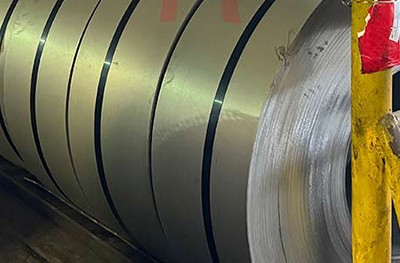
For large-volume exhaust production, material efficiency is critical. Aluminized steel combines a steel substrate with an aluminum-based coating system. The coating forms a protective oxide layer during high-temperature operation, improving oxidation resistance compared with ordinary carbon steel.
Its advantages include stable forming performance, reliable welding behavior, and suitability for continuous manufacturing processes. Because of these characteristics, aluminized steel remains an important material choice for original equipment exhaust systems and industrial exhaust components.
Teda Ganghua supplies aluminized steel coil solutions for exhaust-related applications, supporting different thickness requirements, métodos de procesamiento, and downstream fabrication needs. More product information is available at:
/product-category/aluminized-steel-coil/
409 Stainless Steel vs 304 Acero inoxidable: Where Is the Difference?
409 stainless steel is widely used in automotive exhaust systems because it offers better corrosion resistance than coated carbon steel while maintaining good cost control. It is especially suitable for high-volume vehicle applications where long service life is required.
304 stainless steel provides a higher corrosion resistance level due to its higher alloy content. It is often selected for aftermarket exhaust systems where appearance, polishing quality, and outdoor durability are important.
| Comparison Item | 409 Acero inoxidable | 304 Acero inoxidable |
| Estructura | Ferritic stainless steel | Austenitic stainless steel |
| Resistencia a la corrosión | Medio | Más alto |
| Fabricación | Suitable for exhaust forming | Excellent welding and forming |
| Main Market | OEM replacement | Premium modification |


Titanium Exhaust: Maximum Performance but Higher Engineering Requirements
Titanium alloy exhaust systems are selected mainly for weight reduction and extreme performance applications. The lower density helps reduce vehicle weight, while the high-temperature capability supports demanding driving conditions.
Sin embargo, titanium requires specialized forming and welding technology. The manufacturing process is more complex, which limits its use mainly to professional performance applications rather than mass production.
How to Choose the Right Exhaust Material
- Mass production vehicle exhaust: choose materials with stable supply and manufacturing efficiency.
- Daily performance modification: balance corrosion resistance, appearance, y durabilidad.
- Track applications: prioritize lightweight design and temperature performance.
- Long-term outdoor use: focus on oxidation and corrosion protection.
The best exhaust material is determined by the application environment rather than the highest material grade. From aluminized steel coil for efficient production to stainless steel and titanium systems for specialized applications, each material has its own engineering value.
By selecting the correct material according to temperature, exposición a la corrosión, y requisitos de fabricación, Los fabricantes de escapes pueden lograr una mayor confiabilidad y un rendimiento optimizado del ciclo de vida..