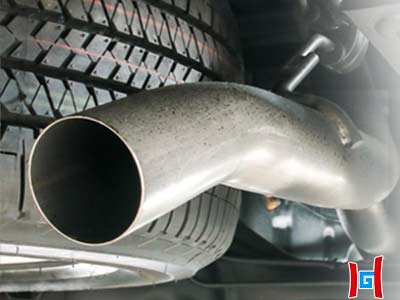
Tipo 1 vs tipo 2 Acero Aluminizado: Diferencias de recubrimiento, Resistencia al calor & Guía de aplicaciones
Aunque ambos productos se denominan acero aluminizado., Tipo 1 y Tipo 2 están diseñados para entornos de servicio muy diferentes. Selecting the wrong type can significantly reduce equipment life, increase maintenance costs, or even lead to premature failure. The fundamental difference lies in the coating composition: Tipo 1 contains an aluminum-silicon alloy designed for high-temperature applications, mientras escribe 2 uses nearly pure aluminum to maximize atmospheric corrosion resistance.
Understanding how these two coating systems perform under heat, humedad, salt exposure, and industrial conditions allows engineers, OEM manufacturers, and procurement teams to choose the most suitable material for each application.
What Is Type 1 Acero Aluminizado?
Tipo 1 aluminized steel is produced using a hot-dip aluminum bath containing approximately 90% aluminum and 8–11% silicon. The silicon controls the growth of the Fe-Al intermetallic layer, producing excellent coating adhesion while maintaining sufficient ductility for forming and fabrication.
Its greatest advantage is outstanding resistance to oxidation and thermal cycling, making it the preferred choice for components exposed to elevated temperatures.
What Is Type 2 Acero Aluminizado?
Tipo 2 aluminized steel uses a coating composed of 99% or higher aluminum with little or no silicon addition. Instead of focusing on heat resistance, this coating maximizes atmospheric corrosion protection by creating a highly stable aluminum oxide barrier.
Tipo 2 is widely used in outdoor construction, roofing systems, paneles de pared, and applications where long-term weather exposure is more important than continuous high temperatures.
Tipo 1 vs tipo 2: Side-by-Side Comparison
| Propiedad | Tipo 1 | Tipo 2 |
|---|---|---|
| Composición del recubrimiento | Alabama + 8-11% Sí | 99%+ Aluminio |
| Primary Advantage | Resistencia a altas temperaturas | Resistencia a la corrosión atmosférica |
| Continuous Service Temperature | Up to approximately 700–800°C | Moderate temperature applications |
| Thermal Cycling Resistance | Excelente | Moderado |
| Outdoor Weather Resistance | Muy bien | Excelente |
| Aplicaciones típicas | Sistemas de escape, hornos, intercambiadores de calor | Techumbre, building panels, agricultural equipment |
Why Silicon Makes Type 1 Different
The addition of silicon is the defining characteristic of Type 1 acero aluminizado.
Silicon performs several important metallurgical functions:
- Controls Fe-Al intermetallic layer growth.
- Mejora la adherencia del recubrimiento.
- Reduces coating brittleness.
- Enhances formability after coating.
- Improves resistance to repeated heating and cooling.
Sin silicona, the coating would develop thicker brittle alloy layers that are less suitable for components exposed to thermal expansion.
Heat Resistance Comparison
When equipment operates at elevated temperatures, oxidation becomes one of the primary failure mechanisms for ordinary carbon steel.
Tipo 1 aluminized steel forms a stable aluminum oxide layer that continues protecting the steel substrate even under prolonged heating.
| Operating Environment | Recommended Type |
|---|---|
| Sistemas de escape para automóviles | Tipo 1 |
| Industrial furnace tubing | Tipo 1 |
| Boiler components | Tipo 1 |
| Intercambiadores de calor | Tipo 1 |
For continuous high-temperature service, Tipo 1 remains the preferred engineering solution.
Atmospheric Corrosion Resistance Comparison
Outdoor environments expose steel to rain, humedad, ultraviolet radiation, and airborne contaminants.
Because Type 2 contains nearly pure aluminum, it develops a highly stable oxide film that provides excellent long-term protection against atmospheric corrosion.
Las aplicaciones típicas incluyen:
- Architectural roofing.
- Building wall systems.
- Agricultural storage facilities.
- Carcasas para equipos de exterior.
- Infrastructure components.
Performance Under Thermal Cycling
Many industrial components repeatedly heat up and cool down throughout their service life.
Los ejemplos incluyen:
- Vehicle exhaust pipes.
- Quemadores industriales.
- Equipo de secado.
- Industrial chimneys.
Tipo 1 performs exceptionally well because the aluminum-silicon coating remains strongly bonded during repeated expansion and contraction.
Typical Industry Applications
| Industria | Preferred Type | Reason |
|---|---|---|
| Automotor | Tipo 1 | Excelente resistencia al calor |
| Calefacción Industrial | Tipo 1 | Resistencia a la oxidación |
| climatización | Tipo 1 | High-temperature airflow systems |
| Construcción | Tipo 2 | Weather durability |
| Agricultura | Tipo 2 | Outdoor corrosion protection |
| Infrastructure | Tipo 2 | Long atmospheric service life |
Selection Decision Tree
Will the component operate continuously above 400°C?
→ Yes → Select Type 1
→ No ↓
Will the product be installed outdoors for long-term weather exposure?
→ Yes → Select Type 2
→ No ↓
Will the component experience repeated heating and cooling?
→ Yes → Tipo 1 se recomienda
→ No → Evaluate based on corrosion environment and fabrication requirements
Standards Covering Type 1 y tipo 2
The two coating systems are specified under internationally recognized standards, including ASTM A463/A463M. These standards define coating type, coating mass, calidad de la superficie, mechanical properties, and testing methods to ensure consistent product performance across industrial applications.
Quality Inspection Considerations
Regardless of coating type, manufacturers should verify:
- Espesor de recubrimiento uniforme.
- Buena adherencia del recubrimiento.
- Stable Fe-Al diffusion layer.
- Consistent surface appearance.
- Bend test performance.
- Coating continuity without bare spots.


Teda Ganghua Aluminized Steel Tube Solutions
Teda Ganghua manufactures high-quality aluminized steel tubes for demanding industrial applications. Through strict control of bath chemistry, coating thickness, and metallurgical bonding, Teda Ganghua supplies products with excellent heat resistance, protección contra la corrosión, and fabrication performance. Whether your project requires Type 1 aluminized steel for high-temperature service or solutions for specialized industrial environments, experienced technical support helps customers select the most suitable specifications for long-term reliability.
Explore our complete range of
tubos de acero aluminizado
para automotriz, calefacción industrial, climatización, and manufacturing applications.
Preguntas frecuentes
What is the biggest difference between Type 1 y tipo 2 acero aluminizado?
Tipo 1 is optimized for high-temperature applications using an aluminum-silicon coating, mientras escribe 2 is optimized for long-term atmospheric corrosion resistance using a nearly pure aluminum coating.
Which type is used for automotive exhaust systems?
Tipo 1 is the standard choice because it withstands continuous high temperatures and repeated thermal cycling.
es tipo 2 more corrosion resistant outdoors?
Sí. Tipo 2 generally provides superior atmospheric corrosion resistance for building and outdoor applications.
Can Type 2 replace Type 1 in furnace applications?
No. Tipo 2 is not intended for continuous high-temperature service where Type 1 offers significantly better oxidation resistance.
How should buyers choose between the two?
Evaluate the operating temperature, exposure environment, expected service life, y requisitos de fabricación. High heat favors Type 1, mientras que la exposición atmosférica al aire libre generalmente favorece el tipo 2.