- Description
Description
Aluminized Steel Plate vs. Inoxydable: Cost-Effective Heat Resistance for Industrial Ovens
For industrial oven manufacturers and thermal equipment suppliers, material selection directly affects equipment durability, operating cost, and production competitiveness. While stainless steel has long been considered the premium choice for high-temperature environments, aluminized steel plate provides a cost-effective alternative for many industrial oven applications where heat resistance and oxidation protection are required.
The key difference lies in the protection mechanism. Stainless steel relies on chromium-based corrosion resistance, while aluminized steel uses an aluminum-silicon coating that forms a protective oxide layer during high-temperature exposure.
For applications such as industrial ovens, baking equipment, heating chambers, and thermal processing systems, aluminized steel plate can deliver the required heat performance at a significantly lower material cost.
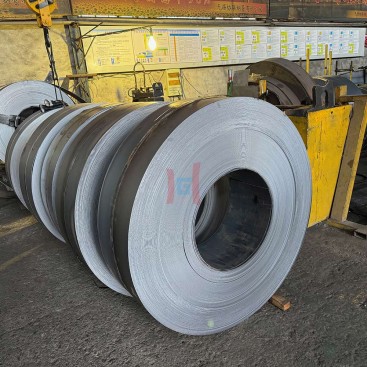
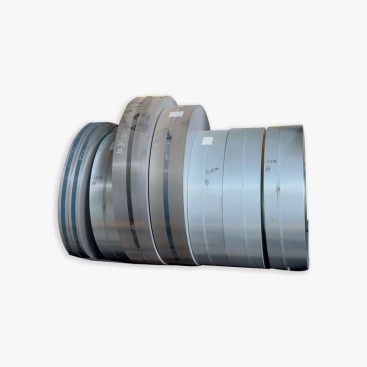
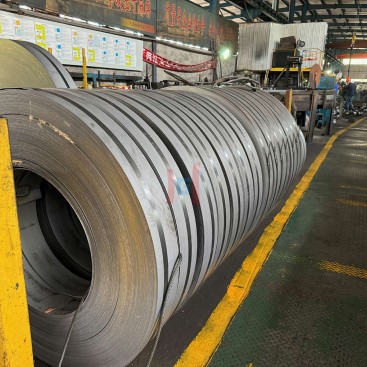
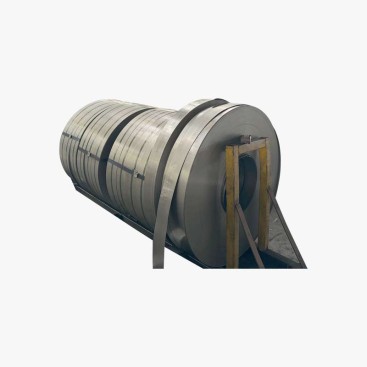
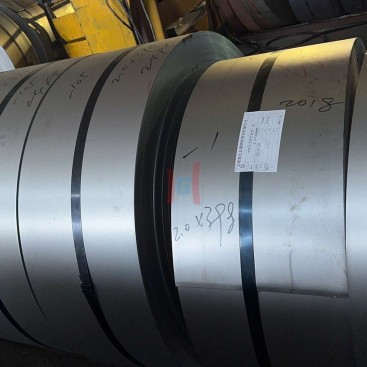
Teda Ganghua supplies aluminized steel coil and plate solutions for industrial heating, automobile, et applications à haute température, supporting customized specifications and international supply.
Explore our aluminized steel products:
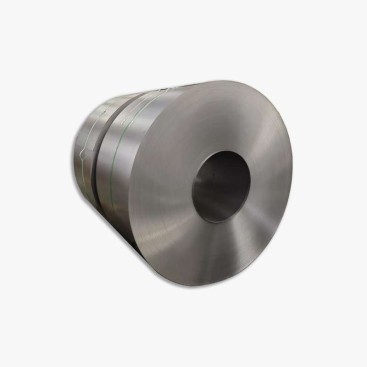
Bobine d'acier aluminisé
What Is Aluminized Steel Plate?
Aluminized steel plate is carbon steel coated with an aluminum or aluminum-silicon alloy layer through a hot-dip coating process. The coating combines aluminum’s oxidation resistance with steel’s structural strength.
The typical structure includes:
| Couche | Fonction |
|---|---|
| Aluminum-Silicon Surface Coating | Provides heat and oxidation protection |
| Fe-Al Intermetallic Layer | Creates strong bonding between coating and steel |
| Matériau de base en acier | Provides mechanical strength and fabrication capability |
Why Industrial Oven Manufacturers Consider Aluminized Steel
Industrial ovens operate under continuous heat exposure, cyclage thermique, and oxidation conditions. The material must maintain performance while controlling manufacturing costs.
| Requirement | Aluminized Steel Advantage |
|---|---|
| Résistance aux hautes températures | Aluminum oxide layer protects the steel substrate |
| Cost Control | Lower material cost compared with many stainless grades |
| Fabrication | Suitable for cutting, formation, et soudure |
| Weight Efficiency | Provides heat-resistant performance without excessive cost |
| Surface Durability | Improved oxidation resistance during heating cycles |
Aluminized Steel Plate vs Stainless Steel Plate
The choice between aluminized steel and stainless steel depends on temperature, environnement corrosif, durée de vie requise, and budget considerations.
| Factor | Plaque d'acier aluminisée | Stainless Steel Plate |
|---|---|---|
| Résistance à la chaleur | Excellent for many oven and heating applications | Excellent |
| Material Cost | Inférieur | Plus haut |
| Protection contre l'oxydation | Provided by aluminum oxide layer | Provided by chromium oxide layer |
| Résistance à la corrosion | Good in suitable environments | Superior in aggressive environments |
| Industrial Position | Cost-efficient heat-resistant solution | Premium corrosion-resistant solution |
Industrial Oven Applications of Aluminized Steel Plate
Aluminized steel plate is commonly selected for oven components where high-temperature exposure exists but extreme chemical corrosion is not the primary concern.
| Application | Material Benefit |
|---|---|
| Industrial Baking Ovens | Heat resistance and economical fabrication |
| Food Processing Equipment | Stable performance under repeated heating cycles |
| Drying Chambers | Oxidation protection during continuous operation |
| Heating Furnaces | Cost-effective thermal protection |
| Thermal Processing Equipment | Balanced strength and heat resistance |
Taper 1 Aluminized Steel for High-Temperature Equipment
For industrial oven applications, Taper 1 aluminized steel with an aluminum-silicon coating is often preferred because silicon controls the reaction between aluminum and iron.
| Fonctionnalité | Impact on Performance |
|---|---|
| Al-Si Coating | Improves coating adhesion and heat resistance |
| Controlled Intermetallic Layer | Reduces brittleness during fabrication |
| Aluminum Surface | Provides oxidation protection |
When Should You Choose Stainless Steel Instead?
Although aluminized steel plate provides excellent cost performance, stainless steel remains the better choice for certain environments.
- Strong chemical exposure.
- Food contact requiring strict hygiene standards.
- Highly corrosive environments.
- Marine or chloride-rich conditions.
- Applications requiring maximum service life.
Cost Analysis: Why Aluminized Steel Improves ROI
For industrial oven manufacturers, material cost represents a major part of equipment production. Choosing aluminized steel instead of stainless steel can reduce initial investment while maintaining suitable thermal performance.
| Cost Factor | Aluminized Steel Benefit |
|---|---|
| Coût des matières premières | Lower purchase cost |
| Fabrication Cost | Efficient processing and forming |
| Maintenance | Reduced oxidation-related replacement |
| Total Equipment Cost | Improved project competitiveness |
Key Specifications When Purchasing Aluminized Steel Plate
Industrial buyers should evaluate the following factors before sourcing aluminized steel plate.
| Spécification | Importance |
|---|---|
| Steel Grade | Determines mechanical properties and forming ability |
| Type de revêtement | Affects heat resistance performance |
| Poids du revêtement | Influences service life |
| Épaisseur | Controls strength and thermal performance |
| Surface Quality | Ensures fabrication consistency |
Why Choose Teda Ganghua for Aluminized Steel Plate Supply?
Teda Ganghua provides aluminized steel solutions for industrial customers requiring reliable heat-resistant materials. With professional experience in coated steel products, we support customers with material selection, customized specifications, and international supply services.
- Reliable aluminized steel coil and plate supply.
- Support for customized thickness and dimensions.
- Stable aluminum coating quality.
- Suitable solutions for industrial heating applications.
- Export documentation and logistics support.
- Technical assistance for material selection.
For industrial ovens and thermal equipment, aluminized steel plate offers an effective balance between heat resistance, durabilité, et rentabilité.
Learn more about our aluminized steel solutions:
Teda Ganghua Aluminized Steel Coil Products
Foire aux questions
Can aluminized steel plate replace stainless steel in industrial ovens?
Dans de nombreuses applications résistantes à la chaleur, Oui. Le choix final dépend de la température, conditions de corrosion, et exigences d'hygiène.
Pourquoi l'acier aluminisé est-il moins cher que l'acier inoxydable?
L'acier aluminisé utilise une base en acier au carbone avec un revêtement protecteur en aluminium, évitant les coûts d'alliage plus élevés de l'acier inoxydable.
Est-ce que le type 1 acier aluminisé adapté aux fours à haute température?
Oui. La structure du revêtement aluminium-silicium offre une excellente résistance à l'oxydation et une excellente stabilité du revêtement pour les environnements à haute température.