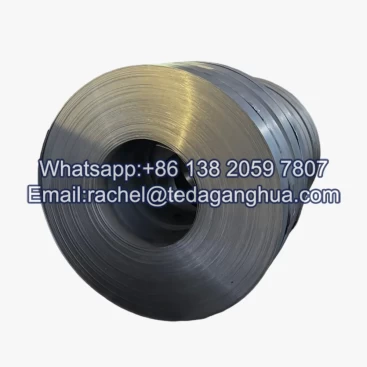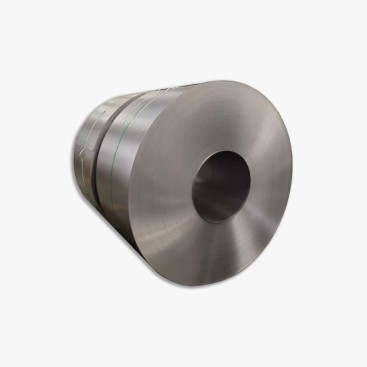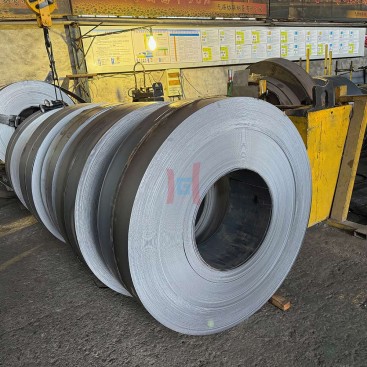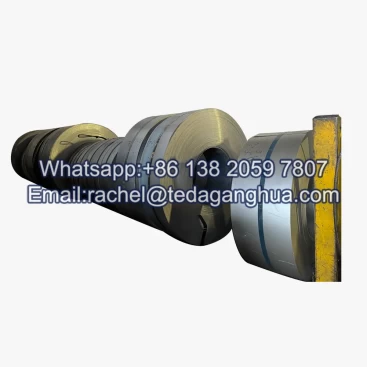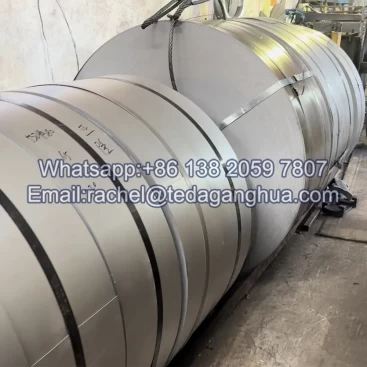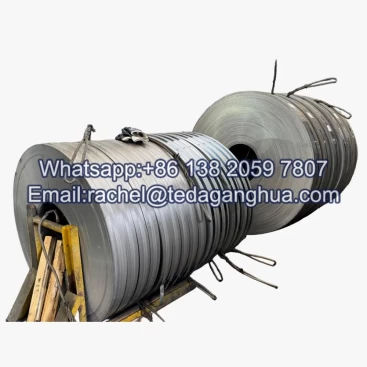
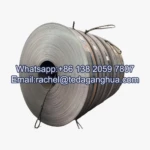
Acier aluminisé à chaud
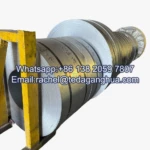
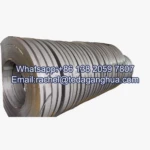
The Hot-Dip Aluminized Steel manufacturing process combines advanced surface preparation, continuous annealing, precise aluminum-silicon coating, and strict quality control. The result is a durable steel product with excellent oxidation resistance, protection contre la corrosion, résistance à la chaleur, and thermal reflectivity, ce qui le rend largement utilisé dans l'automobile, chauffage industriel, and high-temperature applications.
- Description
Description
Hot-Dip Aluminized Steel is produced by coating carbon steel with an aluminum-silicon alloy through a continuous hot-dip process. The coating typically contains approximately 90% l'aluminium et 10% silicium, providing excellent heat resistance, résistance à l'oxydation, et protection contre la corrosion. The manufacturing process is carefully controlled to ensure uniform coating thickness and strong adhesion between the steel substrate and the coating.
Typical Coating Composition
| Élément | Contenu (%) |
|---|---|
| Aluminium (Al) | 89–95 |
| Silicium (Et) | 5–11 |
| Fer (Fe) | Équilibre |
The addition of silicon improves coating adherence and controls the growth of the intermetallic layer between steel and aluminum.
Manufacturing Process Flow
| Process Step | But |
| Steel Preparation | Select suitable cold-rolled or hot-rolled steel |
| Nettoyage & Dégraissage | Remove oil, dirt, and contaminants |
| Recuit | Improve formability and surface quality |
| Hot-Dip Coating | Apply aluminum-silicon coating |
| Air Knife Control | Adjust coating thickness |
| Cooling | Solidify and stabilize the coating |
| Inspection | Verify coating quality |
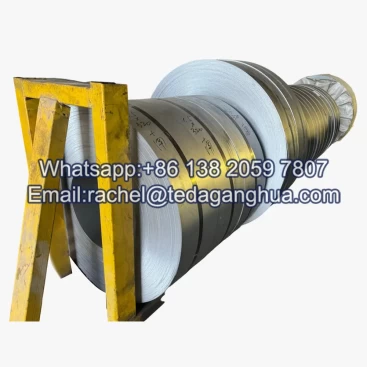
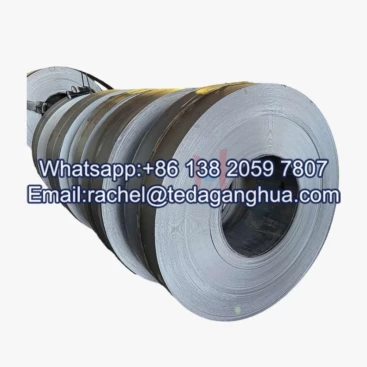
| Coil Rewinding | Prepare products for shipment |
Étape 1: Steel Surface Preparation
The process begins with high-quality carbon steel coils. Surface contaminants such as rolling oil, grease, and oxide scale are removed through alkaline cleaning and chemical treatment.
A clean steel surface is essential for achieving a strong metallurgical bond between the substrate and the coating.
Étape 2: Continuous Annealing
After cleaning, the steel strip enters a continuous annealing furnace.
The annealing process:
- Relieves internal stresses
- Improves ductility
- Refines grain structure
- Enhances formability
The strip is heated under a controlled atmosphere to prevent surface oxidation before entering the coating bath.
Étape 3: Hot-Dip Aluminum-Silicon Coating
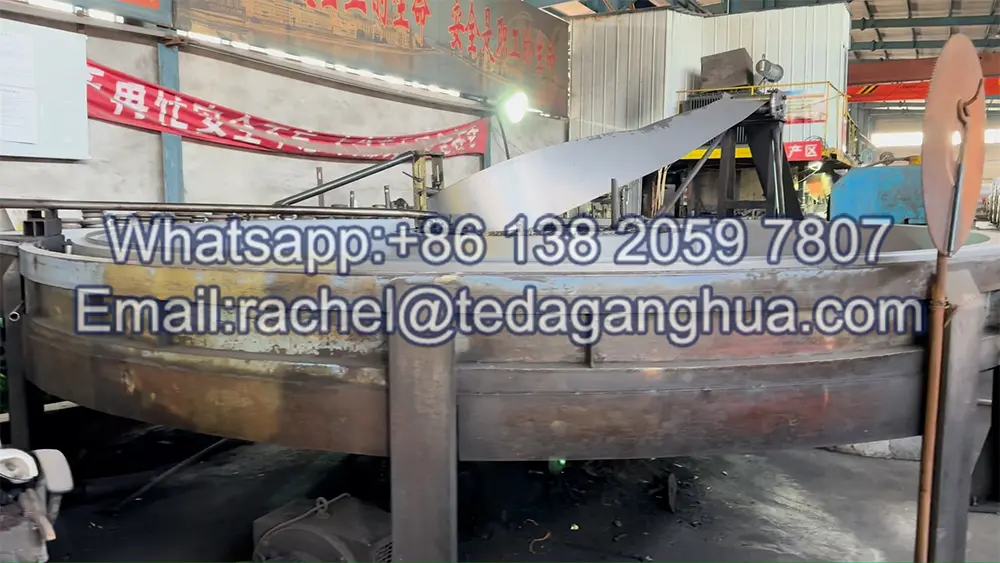
The annealed steel strip passes through a molten aluminum-silicon bath.
Typical bath conditions are shown below:
| Parameter | Gamme typique |
| Bath Temperature | 660–700°C |
| Aluminum Content | 89–95% |
| Silicon Content | 5–11% |
| Line Speed | 50–180 m/min |
As the strip passes through the bath, a thin intermetallic layer forms between the steel and coating. This layer provides excellent coating adhesion and long-term durability.
Étape 4: Coating Thickness Control
After leaving the molten bath, the strip passes through high-pressure air knives.
The air knives:
- Remove excess coating
- Control coating weight
- Ensure uniform thickness
- Improve surface appearance
Accurate thickness control is critical for achieving consistent corrosion and heat resistance.
Étape 5: Refroidissement et solidification
The coated strip is cooled using controlled air or water systems.
During cooling:
- The coating solidifies
- Surface quality is stabilized
- Mechanical properties are maintained
- Coating adhesion is preserved
The final surface typically exhibits a bright metallic appearance with excellent reflectivity.
Étape 6: Quality Inspection
Finished material undergoes rigorous testing.
Common inspection items include:
| Inspection Item | But |
| Poids du revêtement | Verify coating thickness |
| Surface Quality | Detect defects |
| Adhesion Test | Confirm coating bond strength |
| Mechanical Test | Check strength and elongation |
| Dimensional Inspection | Verify width and thickness |
Only products meeting specification requirements proceed to packaging.
Advantages of the Hot-Dip Process
Distribution uniforme du revêtement
La technologie de revêtement continu assure une protection constante sur toute la surface de l'acier.
Forte liaison métallurgique
La couche intermétallique créée lors du trempage offre une excellente adhérence du revêtement par rapport à de nombreuses méthodes de revêtement alternatives..
Efficacité de production élevée
Les lignes de production continues permettent une fabrication en grand volume tout en maintenant une qualité stable.
Excellente résistance à la chaleur
Le revêtement aluminium-silicium peut résister à des températures nettement plus élevées que l'acier zingué conventionnel..