Understanding Galvanizing Processes and Aluminum Plate Features
Galvanizing Processes
Galvanizing Classification by Raw Material:
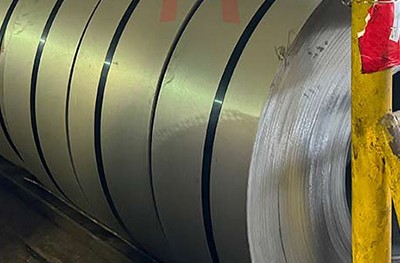
- Hot-Dip Galvanizing: The surface appears gray on the galvanized steel sheet.
- Electrogalvanizing: The surface shows a zinc-colored pattern on the steel sheet.
Galvanizing Classification by Part Type:
- Electrogalvanizing: An electrochemical process.
- Mechanical Galvanizing: A mechanical process.
Electrogalvanizing Process Classifications:
- Hanging Galvanizing: Parts are hung during the process.
- Roll Galvanizing: Parts are rolled during the process.
Electrogalvanizing Solution Classifications:
- Acidic Galvanizing: Divided into potassium and ammonium series.
- Alkaline Galvanizing: Divided into cyanide and non-cyanide series.
Electrogalvanizing Environmental Classifications:
- Trivalent Chromium Passivation: Environmentally friendly.
- Hexavalent Chromium Passivation: Non-environmentally friendly.
Electrogalvanizing Passivation Color Classifications:
- Color Passivation
- Natural Color Passivation (White Passivation)
- Blue Passivation
- Black Passivation
- Green Passivation
What is Aluminum Plate?
An aluminum plate is a steel sheet coated with aluminum or an aluminum alloy. There are several plating methods, such as vacuum evaporation, hot-dip, and electrophoresis. The hot-dip method is the most common due to its low cost.
Aluminum plates, often referred to as aluminized sheets, offer excellent atmospheric corrosion resistance, which is 3 to 6 times better than galvanized steel plates. This makes them ideal for construction applications like curtain walls.
Typically, aluminized sheets are coated with an aluminum-silicon alloy, with 90% aluminum and 10% silicon. As an aluminized supplier, we provide high-quality aluminized steel sheets that meet various industrial needs.