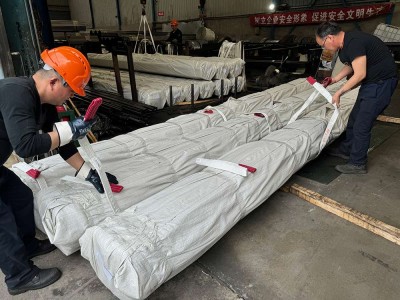
How to Identify Cast Iron, Stainless Steel, and Galvanized Pipes by Eye
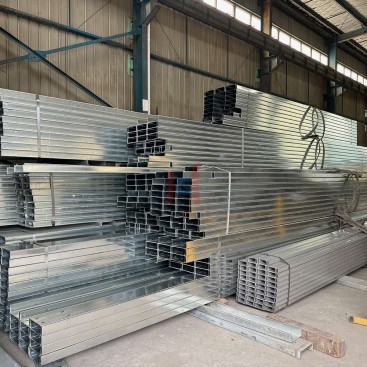
It is possible to tell cast iron, stainless steel, and galvanized pipes apart just by looking at them. Below is a simple guide to help with identification.
1. Observe the Surface Material
Cast Iron Pipes
These are made mainly of iron and rust easily. To prevent this, the outer surface is usually coated. Common coatings include:Asphalt paint
Silver powder paint
Epoxy resin paint
So, what is usually seen or touched is the paint layer, not the metal.
Stainless Steel Pipes
These are made of alloy steel and resist rust. The surface shows the natural silver-gray color of stainless steel. Some types are polished, especially for decorative use.Galvanized Pipes
These are steel pipes coated with zinc. The zinc layer prevents rust. What you see is the silver or dull gray color of the galvanizing.A blue ring mark is often added to identify galvanized pipes.
These are easy to tell apart from polished stainless steel, as shown in sample images.
2. Check the Connection Method
Cast Iron Pipes
These are not welded. Instead, they use:Socket connections
Clamps
Flanges
Galvanized Pipes
Welding is usually not used, because:Welding damages the zinc layer
It can cause corrosion between the metal and weld
These pipes are often connected using:Threads
Clamps
Threaded flanges
Note: If a galvanized pipe is welded, as in some images, this is likely incorrect.
Stainless Steel Pipes
These are mostly welded because threading is difficult.
Common connection methods include:Direct welding
Welded flanges
Clamps
3. Read the Markings on the Pipe
Most pipes have printed information such as:
Standard codes
Material type
Specifications
This makes identification easier. Simply read the labels printed on the pipe.
Visual Clues (Example Recap)
The outermost layer may be aluminum or galvanized sheet, used for protection and insulation.
Stainless steel pipes usually have markings or labels printed.
Galvanized pipes often have a blue ring for quick ID.
Surface color and finish offer clear differences among the three types.