How to Identify if a Vehicle Chassis is Armored
How to Identify if a Vehicle Chassis is Armored
Inspection Tips
To determine if a vehicle chassis is armored, start by lifting the vehicle for inspection. If the bottom shows a rough, elastic plastic layer when pressed, it likely has protective armor. If no armor is present, the steel sheet will appear smooth and unprotected. Pay close attention to key areas such as the wheel arch, blade plate interior, and steel frame connections, as these are typically covered by armor.
Signs of Armor
In warmer months, armored vehicles may leave black residue on the ground. This residue is caused by the melting of armor material, which is a mix of resin and rubber. The melting point of this material is typically between 75-85°C.
For a more detailed inspection, lift the vehicle and check the bottom. If you notice a light gray substance with an orange peel texture, this indicates the presence of armor. In contrast, exposed metal plates will lack this texture.
Armor Details
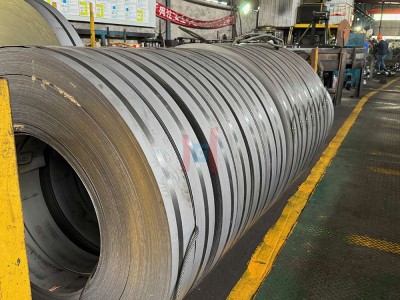
Visually, a heat insulation pad is often found beneath the vehicle’s exhaust pipe when the chassis is armored. This pad, usually made of aluminized sheet, helps prevent heat conduction. Aluminized sheet is a steel sheet coated with an aluminum-silicon alloy, with aluminum making up 90% of the material and silicon 10%. As an aluminized supplier, we provide high-quality aluminized sheets for various applications, including automotive armor.