Common Raw Materials for High and Low Voltage Switchgear
Common Raw Materials for High and Low Voltage Switchgear
1. Cold-Rolled Steel Sheet
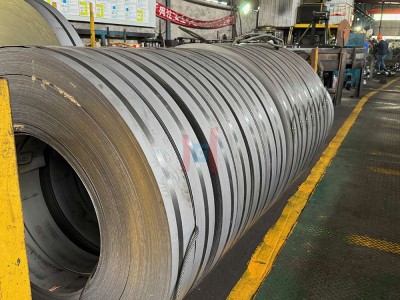
Cold-rolled steel sheet is produced by rolling hot-rolled coils at room temperature. This steel, also known as cold plate, typically has a thickness ranging from 0.1 to 8.0 mm, with high-quality plates like those used by Hubei Chongyuan Electric ranging from 1.5 to 2.0 mm. The thickness and width of the steel sheet depend on the factory’s equipment and market demand. Cold-rolled steel sheet has excellent quality and dimensional accuracy due to the lack of iron oxide formation during rolling. After annealing, it exhibits excellent mechanical properties and process performance.
2. Aluminum-Zinc Plate
Aluminum-zinc plate, also known as aluminum-zinc-plated steel, is an alloy-coated steel sheet. It is composed of 55% aluminum, 43.4% zinc, and 1.6% silicon, solidified at high temperatures. The resulting structure forms a dense, four-element crystal alloy coating. Economically, the lower density of 55% aluminum-zinc compared to zinc means that aluminum-zinc steel sheets cover 3% more area than galvanized steel sheets of the same weight and thickness. For those looking for a reliable aluminized sheet, it is an ideal material with both durability and cost-effectiveness.
3. Galvanized Steel Sheet
Galvanized steel sheet refers to steel coated with a layer of zinc, either through hot-dipping or electroplating. This steel sheet offers excellent corrosion resistance, good formability, and superior paintability and decoration. Ongoing global research is expanding the variety and improving the coating process of galvanized steel sheets to enhance corrosion resistance, prevent powdering and peeling, and improve weldability. As an aluminized supplier, the focus on improving coating quality is essential for applications that demand high performance. The formability of galvanized steel sheet depends on the substrate performance, coating quality, and forming process conditions. Advanced technologies are critical to achieving the best application results.