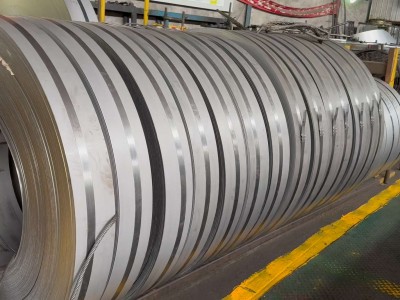
Tubo di scarico in acciaio alluminato vs 409 Acciaio inossidabile: Che è meglio per i sistemi di scarico?
Tubi di scarico in acciaio alluminato vs. 409 Tubi di scarico in acciaio inossidabile: Quale materiale è migliore per i sistemi di scarico automobilistici?
Automotive exhaust systems operate under some of the most challenging conditions in a vehicle, facing a combination of high temperatures, condensazione, sale stradale, umidità, and acidic exhaust gases. Material selection directly affects corrosion resistance, maintenance frequency, and long-term operating costs.
Aluminized steel exhaust pipes and 409 stainless steel exhaust pipes are two widely used solutions for automotive applications. Aluminized steel provides an economical corrosion-resistant barrier, Mentre 409 stainless steel relies on chromium-based passive protection. The better option depends on factors such as service-life requirements, condizioni di guida, and total cost of ownership.
The Fundamental Difference: Coating Protection vs. Material-Based Protection
The main difference between aluminized steel and 409 stainless steel lies in how each material achieves corrosion resistance. Aluminized steel protects the steel substrate with an aluminum-silicon coating, whereas 409 stainless steel develops a self-protective surface layer of chromium oxide.
| Comparison Item | Tubo di scarico in acciaio alluminizzato | 409 Tubo di scarico in acciaio inossidabile |
|---|---|---|
| Materiale di base | Low-Carbon Steel | Acciaio inossidabile ferritico |
| Protection Method | Aluminum-Silicon Coating Barrier | Chromium Oxide Passive Film |
| Temperature Capability | Suitable for Moderate Exhaust Temperatures | Better Oxidation Resistance at Higher Temperatures |
| Corrosion Recovery | Depends on Coating Integrity | Passive Film Can Reform |
[ASTM A463 Acciaio alluminato: Spiegazione della protezione del rivestimento in alluminio-silicio]
How Aluminized Steel Protects Exhaust Components
Aluminized steel is manufactured by applying an aluminum-silicon alloy coating to a steel substrate. This aluminum-based layer acts as a protective barrier, separating the steel from oxygen and corrosive substances.
A temperature elevate, aluminum reacts with iron to form an intermetallic layer. This improves oxidation resistance, allowing aluminized steel to perform better than ordinary carbon steel in exhaust systems.
Advantages of Aluminized Steel Exhaust Pipes
- Lower initial material costs.
- Good heat resistance under standard exhaust operating conditions.
- Easy forming and processing due to the steel substrate.
- Suitable for cost-sensitive automotive applications.
- Better corrosion resistance than untreated carbon steel.


Perché 409 Stainless Steel Provides Longer-Lasting Protection
409 stainless steel contains chromium, which reacts with oxygen to form a thin chromium oxide layer. This passive film protects the surface and can reform after minor damage.
Unlike coated materials, the corrosion resistance of 409 stainless steel comes from the material itself. This makes it more resistant to scratches, mechanical damage, and long-term environmental exposure.
[409 Protezione autorigenerante in acciaio inossidabile: Spiegazione del film passivo al Cr₂O₃]
Vantaggi di 409 Tubi di scarico in acciaio inossidabile
- Better oxidation resistance at elevated temperatures. [600°C Acciaio alluminato vs 409 Acciaio inossidabile: Limite di temperatura elevata]
- Greater durability in humid and high-salt environments.
- Good weldability for exhaust system manufacturing.
- Longer maintenance intervals under demanding conditions.
- Suitable for long-service-life automotive exhaust systems.
Performance Comparison of the Two Materials
| Performance Factor | Acciaio alluminato | 409 Acciaio inossidabile |
|---|---|---|
| Resistenza all'ossidazione | Good Under Normal Conditions | Well Suited to Long-Term Exposure |
| Salt and Moisture Resistance | Coating Damage Can Accelerate Corrosion | More Stable Surface Protection |
| Scratch Resistance | Limited Protection After Coating Damage | Passive Protection Can Be Restored |
| Produzione | Facile da elaborare | Buona formabilità e saldabilità |
| Long-Term Durability | Depends on Coating Condition | Generally Offers a Longer Service Life |


Lifecycle Cost: Why the Cheapest Material Is Not Always the Least Expensive
The initial purchase price is only one part of the total cost of an exhaust system. Replacement frequency, labor costs, vehicle downtime, and maintenance requirements should also be considered.
| Usage Scenario | Recommended Material | Reason |
|---|---|---|
| Short-Term Vehicle Ownership | Acciaio alluminato | Lower Upfront Investment |
| Long-Term Ownership Over Several Years | 409 Acciaio inossidabile | Reduced Replacement Frequency |
| Coastal Areas or Salted Roads | 409 Acciaio inossidabile | Better Corrosion Resistance |
| Cost-Sensitive Applications | Acciaio alluminato | A Balance of Performance and Economy |
Common Failure Points in Aluminized Exhaust Pipes
Although aluminized steel offers good protection, certain areas require special attention during service.
- Welded areas may lose some coating protection during manufacturing.
- Bent sections may experience coating stress and minor damage.
- Internal muffler areas may be subject to condensation-related corrosion.
- Road salt can accelerate coating deterioration.
[500-Test di nebbia salina di un'ora: Acciaio rivestito in alluminio vs 409 Acciaio inossidabile]


Teda Ganghua Aluminized Steel Tube Solutions
Teda Ganghua provides aluminized steel tube solutions for automotive exhaust systems and industrial applications, meeting requirements for heat resistance, protezione della corrosione, and reliable formability. With professional processing capabilities and extensive material experience, Teda Ganghua helps customers select suitable tubing solutions for different operating environments.
For manufacturers and distributors seeking durable exhaust materials, Teda Ganghua offers products specifically designed for applications requiring high-temperature oxidation resistance and cost efficiency, compreso tubi in acciaio alluminato.
How to Choose the Right Exhaust Material
- Choose aluminized steel when controlling initial costs is the primary concern.
- Choose 409 stainless steel when a long service life is the priority.
- Consider the climate, road conditions, and operating temperature.
- Evaluate the total cost of ownership, not just the purchase price.
- Select materials according to the vehicle’s expected service life.
[Confronto dei materiali di scarico: Acciaio alluminato vs 409 contro 304 contro il titanio]
Domande frequenti
1. Is aluminized steel suitable for automotive exhaust systems?
SÌ. It provides good heat resistance and corrosion protection for many standard exhaust applications, especially when cost efficiency is important.
2. Fa 409 stainless steel rust?
409 stainless steel may develop surface discoloration or signs of oxidation, but its chromium oxide layer helps prevent deeper corrosion.
3. Why do many manufacturers use 409 stainless steel in exhaust systems?
It offers a good balance of corrosion resistance, resistenza al calore, mechanical properties, and cost.
4. È possibile saldare tubi in acciaio alluminato?
SÌ. Tuttavia, welding may remove the protective coating locally, pertanto un adeguato trattamento post-saldatura è essenziale per il controllo della corrosione. [Corrosione delle saldature nei sistemi di scarico alluminizzati: Cause e soluzioni]
5. Quale materiale offre un migliore valore a lungo termine?
La risposta dipende dalle condizioni operative. L'acciaio alluminato è economico per l'uso a breve termine, Mentre 409 l’acciaio inossidabile è generalmente più conveniente a lungo termine. [Selezione del materiale del tubo di scarico: Guida al costo del ciclo di vita e alla bobina in acciaio alluminato]