- Descrizione
Descrizione
Hot-Dip Aluminizing Process Demystified: How Steel Pipe Gets Its Aluminum Armor
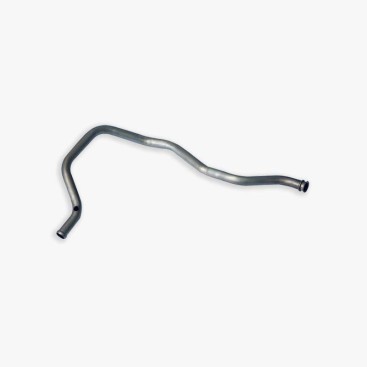
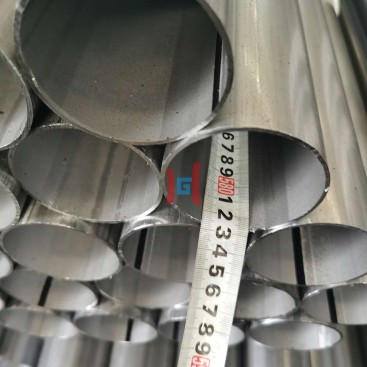
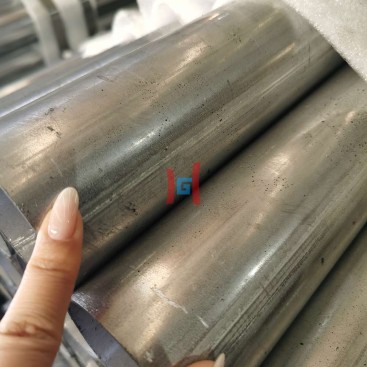
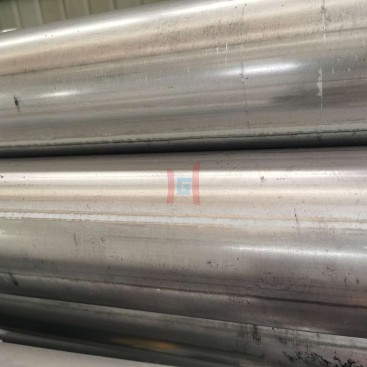
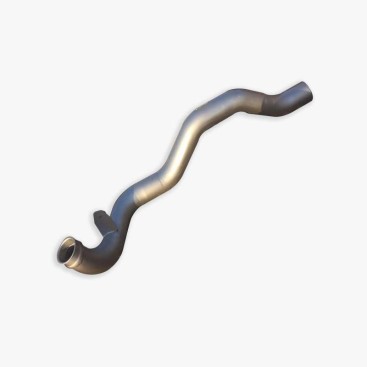
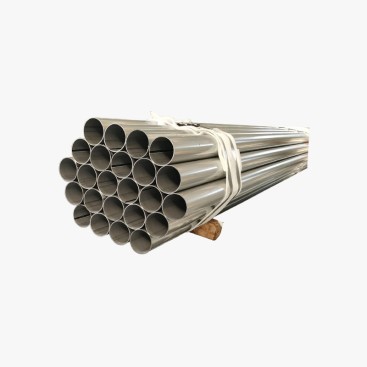
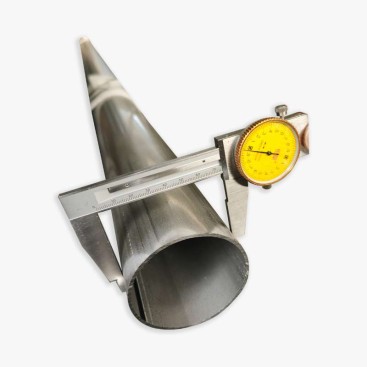
Hot-dip aluminized steel pipe is produced through a controlled metallurgical process that bonds aluminum (or aluminum-silicon alloy) to a steel substrate. This creates a durable protective “armor layer” that significantly improves resistenza al calore, Resistenza all'ossidazione, and service life in demanding industrial environments such as automotive exhaust systems, scambiatori di calore, and furnace piping.
Unlike painting or coating sprays, hot-dip aluminizing is a metallurgical diffusion process, meaning the coating becomes partially integrated with the steel surface at the atomic level.
1. Full Hot-Dip Aluminizing Process Flow
| Fare un passo | Process Description |
|---|---|
| 1. Surface Cleaning (Sgrassaggio) | Removes oil, polvere, and surface contaminants from steel pipe |
| 2. Acid Pickling | Removes oxide scale and activates the steel surface for coating |
| 3. Fluxing (助镀处理) | Prevents re-oxidation and improves coating adhesion |
| 4. Hot-Dip Immersion (~680°C) | Steel pipe is immersed into molten aluminum or Al-Si alloy bath |
| 5. Metallurgical Reaction | Iron reacts with aluminum forming Fe-Al intermetallic layers |
| 6. Withdrawal & Raffreddamento | Controlled extraction and air cooling to stabilize coating structure |
2. What Happens at 680°C? (Core Science)
| Phenomenon | Risultato |
|---|---|
| Iron-Aluminum Diffusion | Forms intermetallic compound layers (Fe-Al phases) |
| Surface Alloying | Creates strong metallurgical bonding instead of simple adhesion |
| Silicon Addition (Al-Si bath) | Improves coating fluidity and reduces brittle layer formation |
This diffusion reaction is what makes hot-dip aluminized coatings far more durable than conventional paint or electroplating.
3. Struttura del rivestimento (Cross-Section Model)
| Strato | Funzione |
|---|---|
| Outer Al-Si Layer | Primary oxidation and corrosion protection barrier |
| Intermetallic Layer | Hard transition zone ensuring bonding strength |
| Steel Substrate | Resistenza meccanica e supporto strutturale |
The graded structure prevents peeling and ensures long-term stability under thermal cycling.
4. Why This Process Is Used for Steel Pipe
| Requirement | Benefit of Hot-Dip Aluminizing |
|---|---|
| Esposizione ad alta temperatura | Stable performance up to ~800°C |
| Resistenza all'ossidazione | Prevents scaling in exhaust and furnace environments |
| Cost Optimization | Cheaper than stainless steel alternatives |
| Resistenza meccanica | Retains carbon steel’s load-bearing capacity |
5. Applicazioni industriali
| Industria | Applicazione |
|---|---|
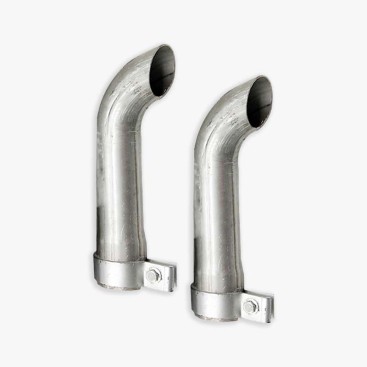
| Automobilistico | Tubi di scarico, silenziatori, tubo del convertitore catalitico |
| Heat Exchange Systems | Thermal transfer piping and ducts |
| Industrial Furnaces | Gasdotti ad alta temperatura |
| Energy & Hvac | Flue gas and ventilation systems |
6. Perché gli acquirenti scelgono Teda Ganghua
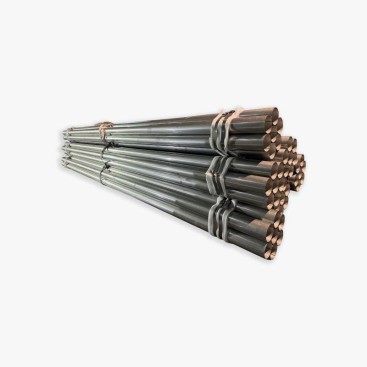
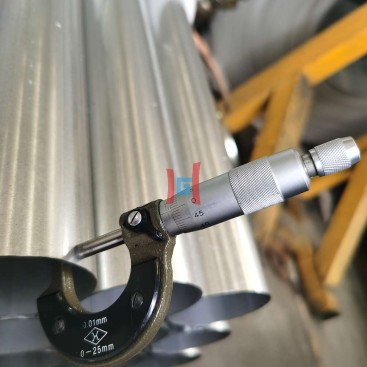
A Teda Ganghua, we supply hot-dip aluminized steel pipes with stable coating thickness, controlled Al-Si composition, and reliable metallurgical bonding for industrial-grade performance.
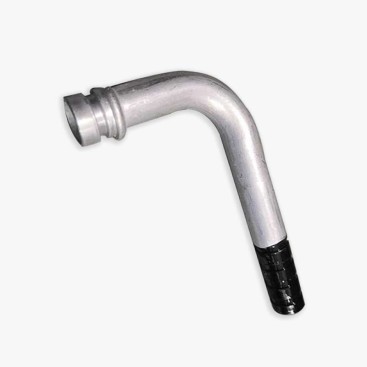
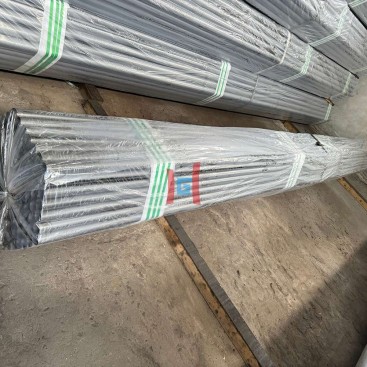
Supportiamo il taglio OEM, flessione, e soluzioni complete di imballaggio per l'esportazione per clienti automobilistici e industriali globali.
Esplora i nostri prodotti in tubi di acciaio alluminato qui:
Prodotti in tubi di acciaio alluminato
Conclusione
Il processo di alluminizzazione a caldo trasforma i comuni tubi di acciaio in un materiale ad alte prestazioni con “armatura” di alluminio. Attraverso la pulizia acida, flussaggio, immersione a ~680°C, e raffreddamento controllato, si forma un rivestimento metallurgico durevole che consente una lunga durata in ambienti estremi.