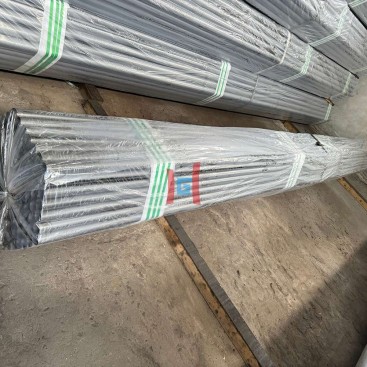
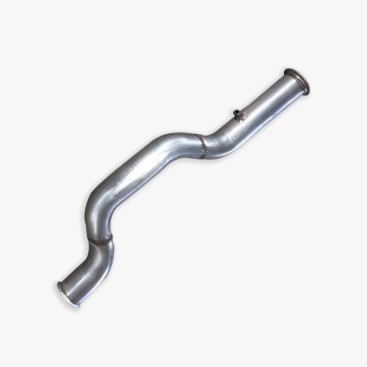
Tubo in acciaio rivestito in silicio e alluminio per immersione a caldo


- Descrizione
Descrizione
Why Silicon Matters in Aluminized Coating: The 9–10% Si Secret Behind Superior Heat Resistance
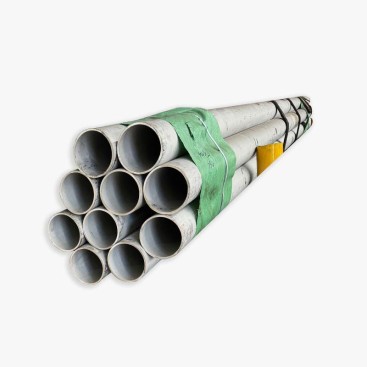
Hot dip aluminum silicon coated steel tube refers to steel tubing coated with an aluminium-silicon (Al-Sì) alloy layer, typically containing ~9–10% silicon. This small but critical alloying addition dramatically improves coating performance in high-temperature and corrosive environments.
The key engineering question is: why is silicon added to aluminium coating at all? The answer lies in controlling intermetallic growth and improving coating stability.
1. The Role of Silicon in Al-Si Coating
| Function of Silicon | Technical Effect |
|---|---|
| Suppress brittle Fe-Al intermetallic growth | Prevents excessive formation of hard, crack-prone Fe₂Al₅ layers |
| Improve coating adhesion | Enhances bonding between steel substrate and aluminium layer |
| Stabilize coating structure | Reduces coating spalling during thermal cycling |
| Extend heat resistance range | Improves performance in 600–800°C environments |
Senza silicone, pure aluminium coatings tend to form excessively brittle intermetallic layers that reduce ductility and durability.
2. Coating Microstructure: Al vs Al-Si
| Tipo di rivestimento | Microstructure Behavior |
|---|---|
| Pure Aluminium Coating | Thicker brittle Fe-Al intermetallic layer, higher cracking risk |
| Al-Sì (9–10% Si) | Controlled thin intermetallic layer, improved ductility |
Silicon acts as a microstructure regulator, controlling diffusion at the steel–coating interface.
3. High-Temperature Performance Advantage
| Temperature Range | Rivestimento in alluminio puro | Al-Si Coating |
|---|---|---|
| 400–500°C | Stable but intermetallic growth begins | Stable with controlled diffusion layer |
| 600–800°C | Risk of coating degradation | Stable performance for exhaust and furnace use |
| Thermal Cycling | Cracking risk increases | Improved resistance to fatigue and spalling |
This is why Al-Si coatings are standard in automotive exhaust systems and industrial heat applications.
4. Why Silicon Improves Adhesion
| Mechanism | Risultato |
|---|---|
| Slows iron diffusion into aluminium layer | Prevents excessive brittle phase formation |
| Refines intermetallic interface | Creates smoother transition zone |
| Improves wetting behavior of molten bath | Ensures uniform coating coverage |
Il risultato è un more stable, uniforme, and durable coating system.
5. Key Application Areas
| Industria | Applicazione |
|---|---|
| Automobilistico | Tubi di scarico, catalytic systems, silenziatori |
| Riscaldamento industriale | Forni, bruciatori, condotti resistenti al calore |
| Energy Systems | Flue gas and thermal recovery pipelines |
| Hvac | High-temperature ventilation systems |
6. Perché gli acquirenti scelgono Teda Ganghua
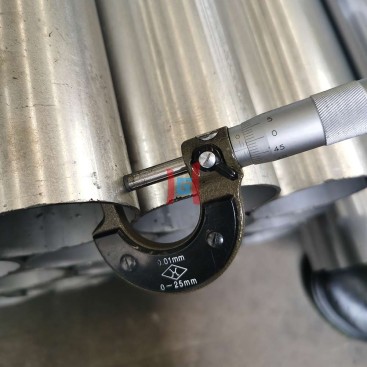
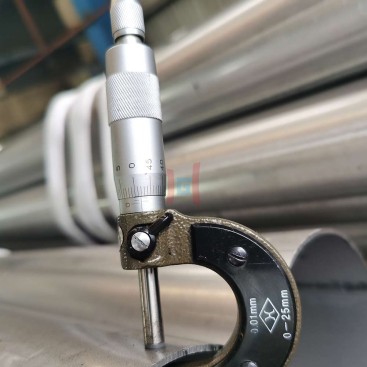
A Teda Ganghua, we supply hot dip aluminum silicon coated steel tubes with stable 9–10% Si coating composition, controlled diffusion layer thickness, e prestazioni costanti alle alte temperature per applicazioni industriali.
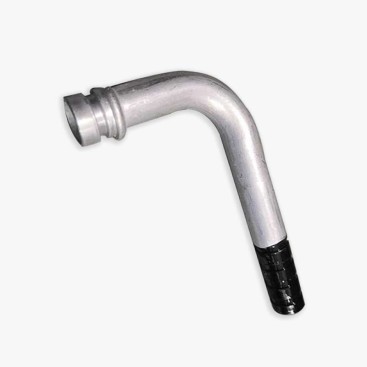
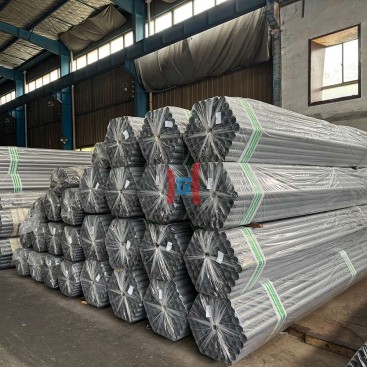
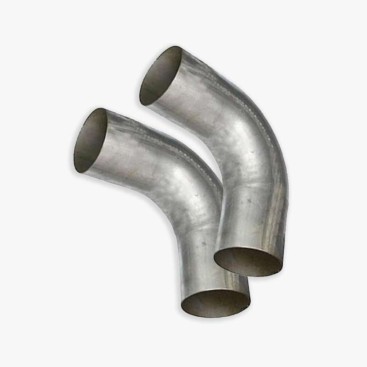
Supportiamo l'elaborazione OEM, taglio, flessione, e imballaggi completi per l'esportazione per clienti globali nei settori automobilistico ed energetico.
Esplora i nostri prodotti in tubi di acciaio alluminato qui:
Prodotti in tubi di acciaio alluminato
Conclusione
Il silicio è la chiave ingegneristica nascosta nei rivestimenti alluminizzati. Controllando la crescita intermetallica e stabilizzando la struttura del rivestimento, migliora significativamente la resistenza al calore, adesione, e durata in ambienti industriali esigenti.