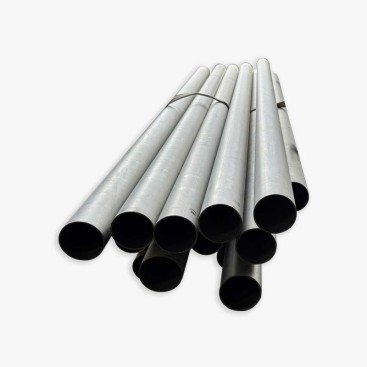
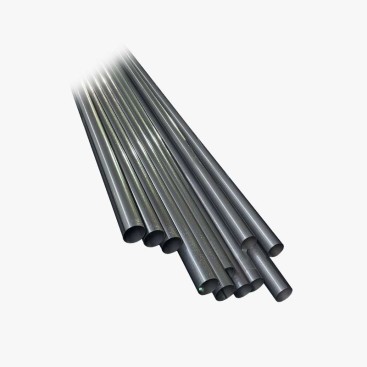
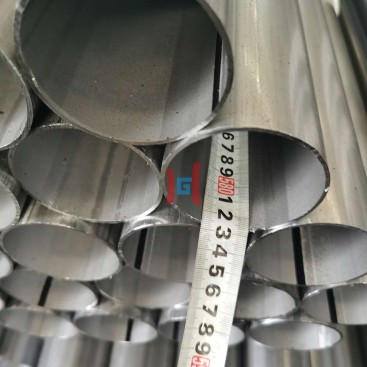
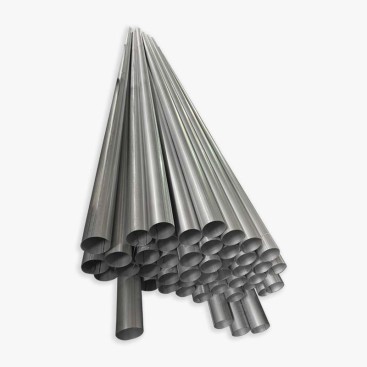
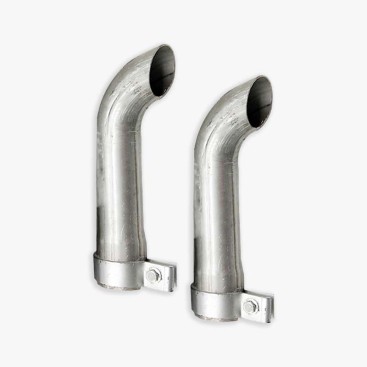
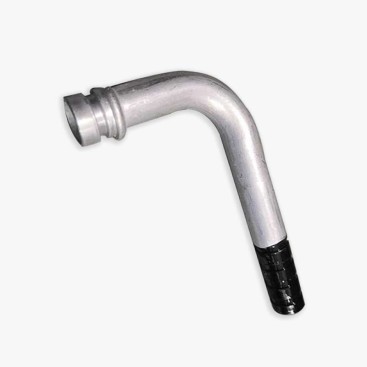
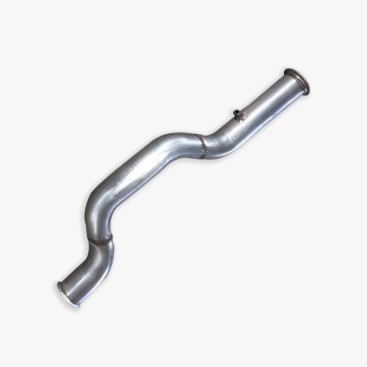
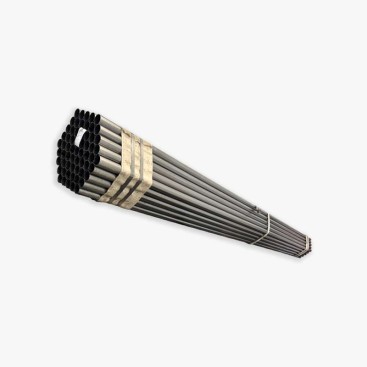
Tubo in acciaio rivestito in alluminio per immersione a caldo


- Descrizione
Descrizione
Hot Dip Aluminium Coated Pipe: The Corrosion-Resistant Alternative to Galvanized
Hot dip aluminium coated steel pipe is a high-performance tubular product produced by immersing steel into an aluminium or aluminium-silicon alloy bath. It is widely used as a corrosione- and heat-resistant alternative to traditional galvanized steel pipes, especially in high-temperature and aggressive environments.
The key engineering debate in material selection is: aluminium coating vs zinc coating (galvanizing), especially under thermal and corrosive stress conditions.
1. Aluminium Coating vs Galvanized Steel: Core Performance Gap
| Performance Factor | Aluminium Coated Pipe | Zincato (Zinco) Tubo |
|---|---|---|
| Resistenza alle alte temperature | Eccellente (up to ~600–800°C) | Povero (zinc layer degrades above ~200°C) |
| Resistenza all'ossidazione | Forms stable Al₂O₃ protective film | Zinc oxide layer less stable at high heat |
| Salt Spray Corrosion Resistance | High durability in marine/industrial environments | Good in mild environments, weaker long-term |
| Coating Stability | Metallurgical bonding (strato di diffusione) | Primarily sacrificial coating behavior |
The fundamental difference lies in aluminium forming a stable oxide barrier, while zinc acts mainly as a sacrificial protective layer.
2. High-Temperature Performance: Why Aluminium Wins
| Condition | Aluminium Coated Pipe | Tubo zincato |
|---|---|---|
| 400–600°C Exposure | Stable performance, protective Al₂O₃ layer forms | Zinc layer rapidly oxidizes and fails |
| 600–800°C Exposure | Suitable for exhaust and furnace systems | Not recommended (coating breakdown) |
| Thermal Cycling | Good stability under repeated heating/cooling | Prone to cracking and coating degradation |
This makes aluminium coated steel the preferred solution for sistemi di scarico, scambiatori di calore, and industrial furnace piping.
3. Salt Spray & Corrosion Resistance Comparison
| Test Condition | Aluminium Coated Pipe | Tubo zincato |
|---|---|---|
| Neutral Salt Spray Test (NSS) | High resistance, slow corrosion progression | Moderate resistance, white rust formation occurs earlier |
| Marine Atmosphere | Stable oxide barrier reduces pitting corrosion | Zinc layer gradually consumed in chloride environment |
| Industrial Pollution (SO₂/NOx) | Good chemical stability | Faster degradation under acidic conditions |
In aggressive environments, aluminium coating provides a more stable long-term protective barrier.
4. Coating Mechanism Difference
| Aspect | Aluminium Coating | Rivestimento di zinco |
|---|---|---|
| Protection Mechanism | Barrier protection via stable oxide layer (Al₂O₃) | Sacrificial corrosion (lo zinco si corrode per primo) |
| Bonding Type | Metallurgical diffusion layer | Primarily surface adhesion |
| Service Life in Heat | Long-term stability | Shortened under elevated temperatures |
5. Application Scenarios
| Industria | Applicazione |
|---|---|
| Automobilistico | Sistemi di scarico, catalytic converters, silenziatori |
| Industrial Furnaces | Gasdotti ad alta temperatura |
| Sistemi HVAC | Heat-resistant ventilation ducts |
| Energy Systems | Flue gas and heat recovery systems |
6. Perché gli acquirenti scelgono Teda Ganghua
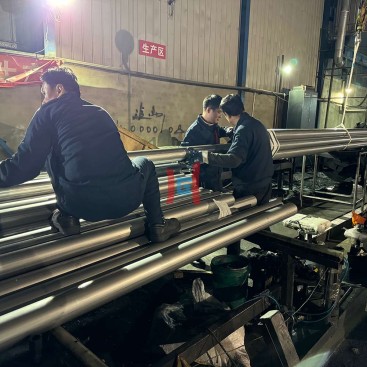
A Teda Ganghua, forniamo tubi in acciaio rivestiti in alluminio per immersione a caldo con prestazioni di rivestimento Al-Si stabili, controllo costante dello spessore, e resistenza verificata alle alte temperature per applicazioni industriali.
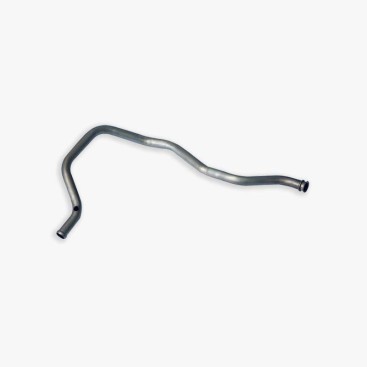
Supportiamo l'elaborazione OEM, taglio, flessione, e imballaggi per l'esportazione per clienti di ingegneria globale.
Esplora i nostri prodotti in tubi di acciaio alluminato qui:
Prodotti in tubi di acciaio alluminato
Conclusione
Il tubo in acciaio rivestito in alluminio per immersione a caldo supera il tubo zincato in ambienti corrosivi e ad alta temperatura grazie alla sua barriera stabile all'ossido e alla struttura di legame metallurgico. Ciò crea un chiaro divario prestazionale che lo rende la scelta preferita per i sistemi di scarico e termici.