- 説明
説明
Aluminized Steel for Chimney Liners: The 677°C Flue Barrier and Stainless Steel Alternative Guide
Aluminized steel for chimney liners is used as a cost-effective solution for flue gas systems where moderate temperature resistance and oxidation protection are required. The aluminum-silicon coating forms a stable aluminum oxide layer during heating, helping protect the steel substrate from high-temperature oxidation.
For gas and oil heating systems, chimney liners normally experience temperatures within the effective operating range of aluminized steel. しかし, fuel type, condensation conditions, and exhaust chemistry must be considered before selecting the liner material.
Where Aluminized Steel Is Used in Chimney Systems
| Chimney Component | 関数 | Material Requirement |
|---|---|---|
| Inner Liner | Direct contact with flue gases | Oxidation resistance and thermal stability |
| Spiral Pipe Section | Exhaust gas transportation | Formability and weldability |
| Double Wall Chimney Inner Layer | Heat-resistant barrier | Coating durability |
| Outer Shell | Weather protection | Appearance and corrosion resistance |
Temperature Range of Chimney Liner Applications
The suitability of aluminized steel depends mainly on exhaust temperature and exposure conditions. The aluminum coating provides protection up to approximately 677°C in continuous service conditions, making it suitable for many medium-temperature flue applications.
| Fuel System | Typical Flue Temperature | Material Evaluation |
|---|---|---|
| Natural Gas Heating | 150-250°C | Generally suitable for aluminized steel |
| Oil-Fired Equipment | 200-350°C | Suitable when condensation is controlled |
| Wood Burning Systems | 300-500°C | Requires temperature and ash evaluation |
Why Choose Aluminized Steel for Chimney Liners?
- 高温耐酸化性: Aluminum coating creates a protective oxide layer during heating.
- Cost efficiency: Lower material cost compared with stainless steel liner solutions.
- Good fabrication performance: Suitable for rolling, 形にする, and welded pipe production.
- 軽量構造: Easier handling compared with thicker stainless liner systems.
Aluminized Steel vs Stainless Steel Chimney Liners
| 材料 | 主な利点 | Application Focus |
|---|---|---|
| アルミメッキ鋼 | Good heat resistance and economical protection | Gas and medium-temperature flue systems |
| 304 ステンレス鋼 | Better corrosion resistance | General premium chimney liners |
| 316 ステンレス鋼 | Higher resistance to chemical corrosion | Condensing and aggressive environments |
Condensation Risk in Chimney Liner Selection
Condensation is one of the most important factors when selecting chimney liner materials. High-efficiency boilers often reduce exhaust temperature, allowing water vapor to condense inside the flue.
Condensed liquid may contain acidic components that accelerate corrosion. In these applications, stainless steel materials are often considered for areas exposed directly to condensate, while aluminized steel remains suitable for dry exhaust sections.
Chimney Liner Manufacturing Process
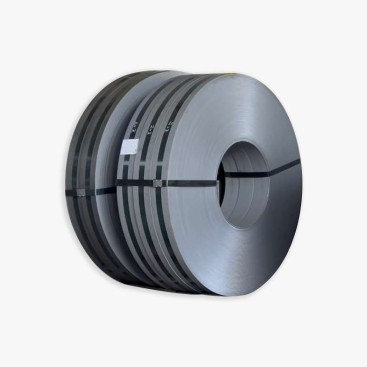
Aluminized steel coil can be processed into chimney liner sections through a continuous forming process:
| Process Step | 説明 |
|---|---|
| Coil Slitting | Adjust width according to pipe diameter |
| Roll Forming | Create cylindrical liner shape |
| Spiral or Longitudinal Welding | Connect pipe structure |
| Cutting and Inspection | Prepare finished liner sections |
Double Wall Chimney System Design
In many chimney systems, aluminized steel is used as the inner heat-resistant layer, while the external layer provides weather protection. This structure combines thermal performance with improved outdoor durability.
- Inner liner: aluminized steel for heat and oxidation resistance.
- 絶縁層: reduces external temperature.
- Outer shell: protects against weather exposure.
Standards and Material Verification
Chimney liner projects should confirm material requirements according to the applicable chimney and heating equipment standards. Specifications may include temperature classification, 耐食性, 機械的強度, および製造要件.
For certified chimney systems, manufacturers should verify whether aluminized steel meets the required system approval requirements, such as those related to chimney construction standards including UL 103 アプリケーション.
Recommended Aluminized Steel Specifications for Chimney Liners
| 応用 | Typical Thickness | 処理 |
|---|---|---|
| Small Gas Chimney Liner | 0.8-1.2mm | Roll forming and welding |
| Industrial Flue Sections | 1.2-2.0mm | Pipe fabrication |
| Double Wall Chimney Inner Layer | 1.0-1.5mm | Continuous forming |
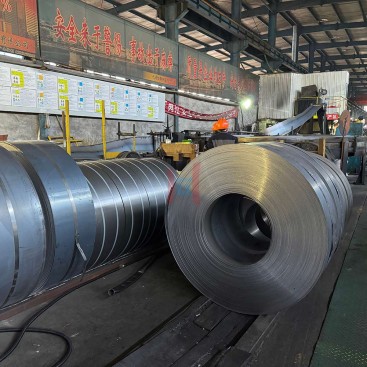
泰達江華社の煙突用途向けアルミめっき鋼材の供給
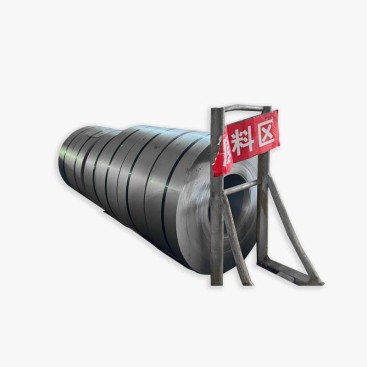
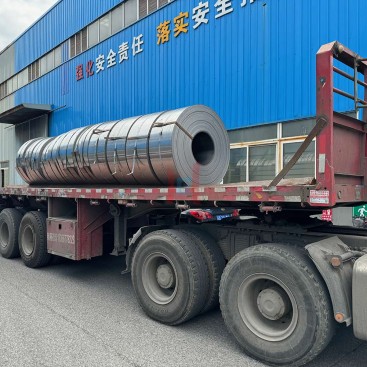
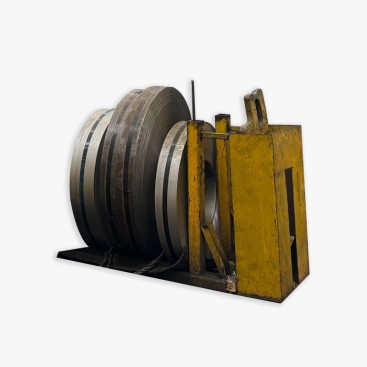
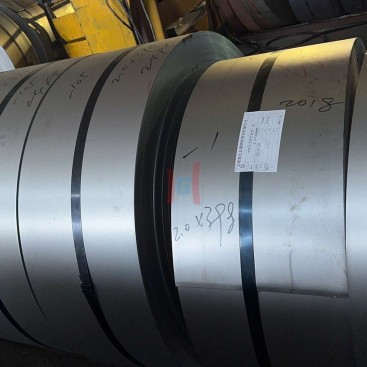
泰達江華用品 アルミメッキ鋼コイル 煙突ライナーメーカー向け, 暖房器具メーカー, および金属加工会社. 安定した塗装性能を発揮, カスタマイズされた厚さのオプション, および処理サポート, Teda Ganghua は、顧客の信頼できる煙道パイプの開発を支援します, インナーライナー, および耐熱部品.
適切な煙突ライナーの材料を選択するには、温度耐性のバランスをとる必要があります。, 結露暴露, 耐用年数, および製造要件. アルミメッキ鋼板は、適用条件が適切に評価された場合、多くの中温煙突システムに経済的な選択肢を提供します.