- 説明
説明
Aluminized Steel for Furnaces: 熱交換器, バーナー & Cabinets at 400-650°C
Aluminized steel for furnaces is widely used in heating equipment where heat resistance, 酸化防止, and cost control are required. The aluminum-silicon coating forms a protective aluminum oxide layer at elevated temperatures, helping extend service life in furnace components exposed to hot gases.
In gas furnaces and industrial heating systems, aluminized steel is mainly used for heat exchangers, burner components, shields, キャビネット, and air handling structures. Its performance is especially suitable for medium-temperature zones where continuous operation is below the coating service limit.
Main Roles of Aluminized Steel in Furnace Systems
| 成分 | 関数 | Material Requirement |
|---|---|---|
| Heat Exchanger | Transfers heat from combustion gas | Oxidation resistance and thermal cycling durability |
| Burner Shield | Protects surrounding structures | Heat resistance and dimensional stability |
| Baffle Plate | Controls airflow and combustion path | High-temperature corrosion resistance |
| Furnace Cabinet | External structural protection | Formability and corrosion protection |
Gas Furnace Heat Exchangers: Cost vs Service Life
Heat exchangers are one of the most common applications of aluminized steel in residential and commercial furnaces. The material provides a balance between manufacturing cost and operating durability.
| 材料 | 主な利点 | Typical Application |
|---|---|---|
| アルミメッキ鋼 | Economical heat resistance | Standard gas furnace heat exchangers |
| 409 ステンレス鋼 | Higher oxidation resistance | Longer-life heating systems |
| 304 ステンレス鋼 | 優れた耐食性 | Premium furnace systems |
Furnace Temperature Zones and Material Selection
The furnace temperature distribution determines whether aluminized steel is suitable. The aluminum coating performs well in medium-temperature areas, but extreme combustion zones require additional evaluation.
| Zone | Temperature Range | Recommended Material Evaluation |
|---|---|---|
| Cabinet and Air Box | 100-300°C | Aluminized steel is generally suitable |
| Heat Exchanger Area | 400-650°C | Suitable when thermal cycling is controlled |
| Direct Flame Zone | 650°C+ | Higher alloy stainless steel may be required |
Heat Resistance Mechanism of Aluminized Steel
The performance of aluminized steel comes from its aluminum-silicon coating. During heating, aluminum reacts with oxygen and forms a dense aluminum oxide film. This oxide layer slows further oxidation of the steel substrate.
- Al-Si coating provides high-temperature oxidation protection.
- Intermetallic alloy layers improve coating adhesion.
- The protective layer reduces scaling during furnace operation.
- The steel core maintains mechanical strength and fabrication flexibility.
Failure Modes of Furnace Aluminized Steel Components
Although aluminized steel performs well in many furnace applications, long-term exposure to severe conditions may cause degradation.
| Failure Mode | Cause | Prevention Method |
|---|---|---|
| Thermal Fatigue Cracking | Repeated heating and cooling cycles | Control temperature changes and design stress |
| Coating Consumption | Long-term oxidation and diffusion | Select suitable temperature range |
| Surface Scaling | Excessive temperature exposure | Upgrade material when required |
Aluminized Steel vs Galvanized Steel for Furnaces
Galvanized steel is not recommended for furnace high-temperature applications. Zinc has a much lower melting point than aluminum and can lose protective performance when exposed to furnace heat.
| 材料 | Coating Element | High Temperature Suitability |
|---|---|---|
| アルミメッキ鋼 | アルミニウム-シリコン | Suitable for medium and high temperature applications |
| 亜鉛めっき鋼 | 亜鉛 | Not suitable for furnace heating zones |
Industrial Furnace vs Residential Furnace Material Requirements
| 応用 | Typical Thickness | Main Requirement |
|---|---|---|
| Residential Gas Furnace | 0.8-1.5mm | Heat exchanger durability and cost control |
| 工業用加熱装置 | 1.2-3.0mm | Structural strength and thermal cycling resistance |
| Burner Components | 1.0-2.0mm | High-temperature oxidation protection |
Furnace Fabrication Process with Aluminized Steel Coil
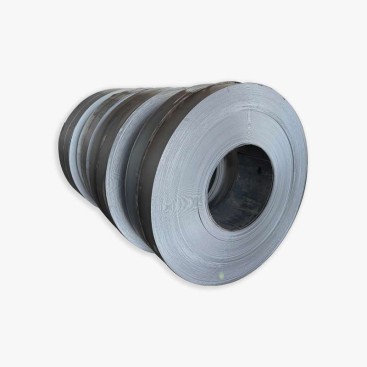
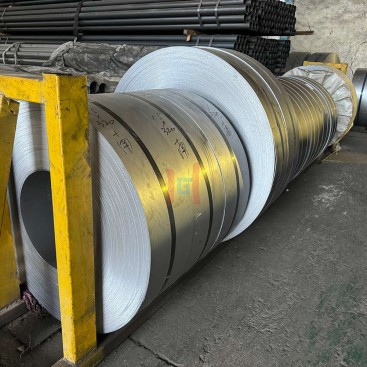
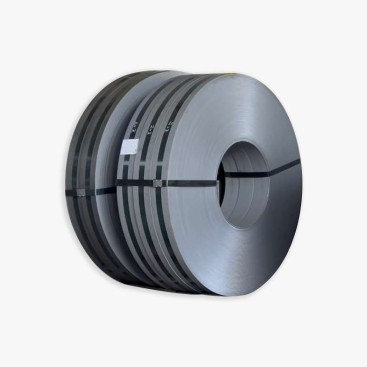
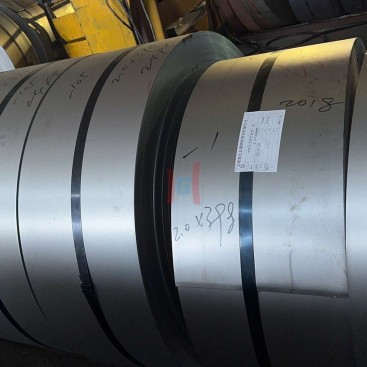
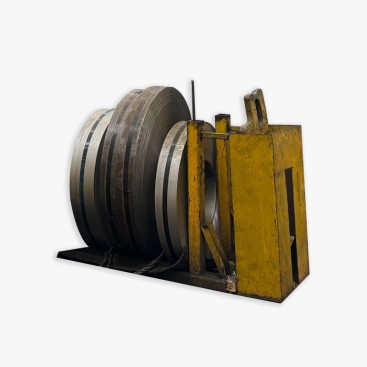
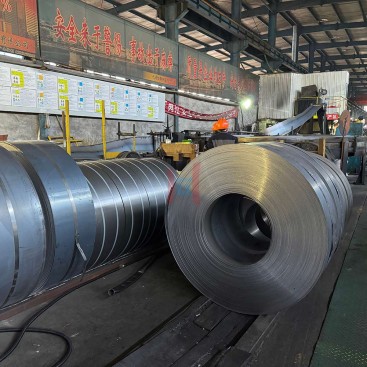
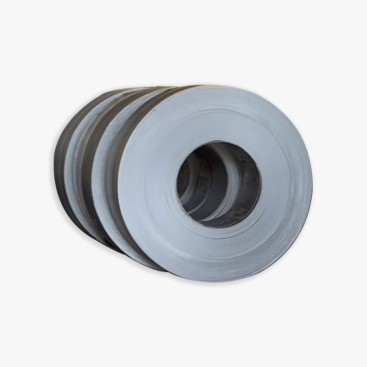
Aluminized steel coil can be processed into furnace components through cutting, 形にする, スタンピング, and welding operations. Stable coating quality is important because excessive coating damage during fabrication may reduce corrosion protection.
- Coil cutting and leveling for component production.
- Stamping or roll forming for heat exchanger structures.
- Welding with proper process control.
- Inspection of coating condition after fabrication.
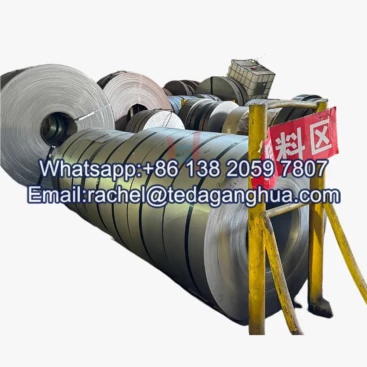
Teda Ganghua Aluminized Steel Supply for Furnace Applications
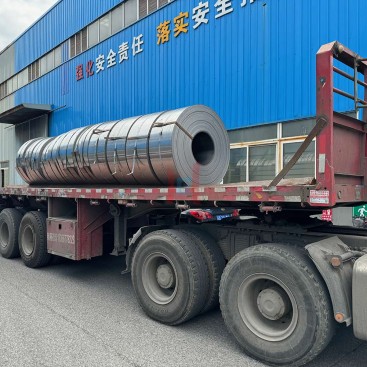
泰達江華用品 アルミメッキ鋼コイル 炉メーカー向け, 熱交換器メーカー, および産業機器製造業者. 安定したAl-Siコーティング性能を備えています, カスタマイズされた厚さのオプション, および処理サポート, Teda Ganghua は、顧客の信頼性の高い加熱コンポーネントの開発を支援します.
炉の材料を選択するには、温度暴露のバランスをとる必要があります, 熱サイクル, 腐食状態, および製造要件. アルミメッキ鋼は、性能とコスト効率の両方が重要な多くの中温炉用途にとって依然として実用的な選択肢です。.