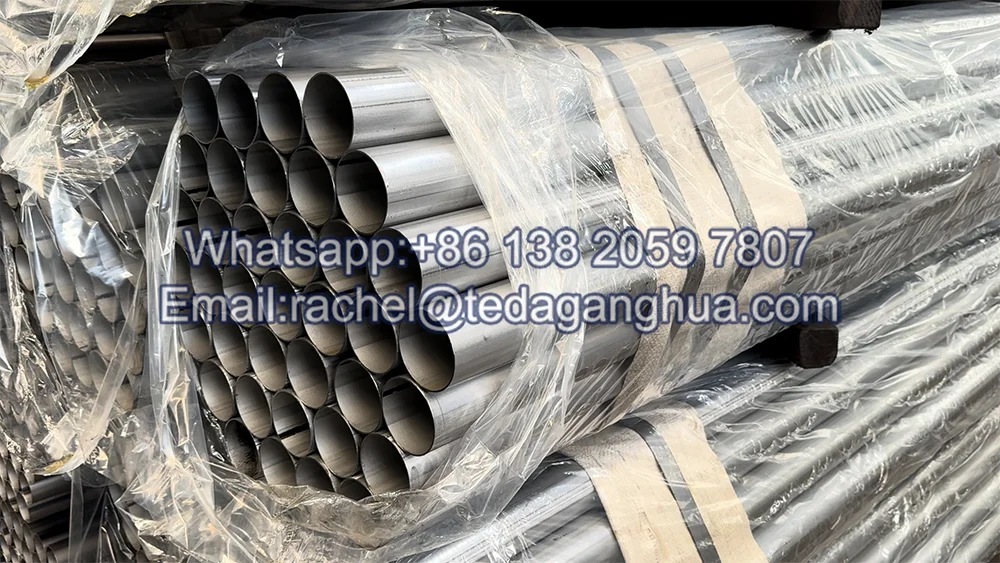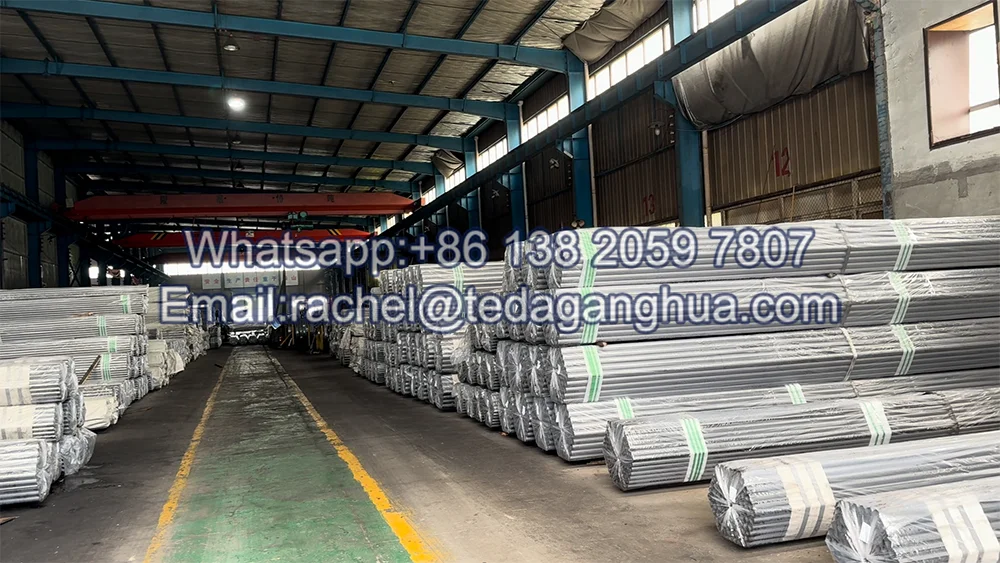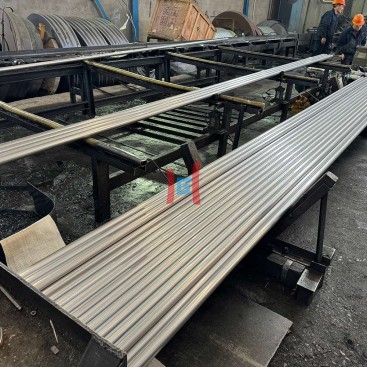
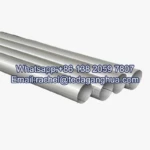
- 説明
説明
Aluminized pipe cost is not determined by the coating alone. The final cost is built from the steel substrate, aluminum coating system, tube-making and processing requirements, yield loss, 梱包, and logistics. ASTM A787/A787M covers electric-resistance-welded metallic-coated carbon steel mechanical tubing and permits tubing made from aluminum-coated steel sheet, while ASTM A463/A463M covers hot-dip aluminum-coated steel sheet with different coating types and coating masses. :コンテンツ参照[羊:0]{インデックス=0} For procurement, the useful question is therefore not simply “What is the price?” but “Which cost layers are included, and which specifications are driving each layer?」
The Four Layers Behind the Cost
A practical cost model can be divided into four layers: substrate steel, コーティング, tube manufacturing and processing, and packaging/logistics. Separating these layers makes supplier quotations easier to compare because a higher total may come from a different grade, heavier coating, tighter tolerance, additional processing, or a less efficient shipment rather than from the basic tube itself.
| Cost Layer | Main Cost Drivers | Typical Specification Variables |
|---|---|---|
| 1. 基板 | Steel chemistry, grade, thickness and coil availability | 炭素鋼, 409, 439 or another specified grade |
| 2. コーティング | Coating chemistry, coating mass, application route and yield | Al-Si or aluminum-rich system, coating designation and surface requirements |
| 3. Tube & 処理 | ERW forming, 溶接, サイズ調整, 切断, bending and end forming | の, 壁の厚さ, 許容範囲, length and fabrication requirements |
| 4. Packaging & Logistics | Bundle configuration, protection, loading efficiency and freight | Bundle weight, fixed length, destination and shipping mode |
ASTM A787/A787M specifically recognizes different carbon-steel grades and metallic coating systems for mechanical tubing, so the material designation itself can change the cost structure before tube forming begins. :コンテンツ参照[羊:1]{index=1}
層 1: Substrate Steel Usually Sets the Starting Point
The substrate is normally the largest physical material component. For a carbon-steel construction, the cost is influenced by the steel grade, coil thickness, coil width, availability and yield. When a stainless substrate such as 409 または 439 is specified instead, the alloy chemistry changes the material input substantially and may also change forming and welding requirements.
This is why two products with the same outside diameter, wall thickness and coating designation can have very different cost structures if one uses carbon steel and the other uses ferritic stainless steel.
Carbon steel substrate: often selected when the application prioritizes a coated steel construction and the required service environment permits it.
409 stainless substrate: commonly considered for exhaust environments where ferritic stainless properties are required.
439 stainless substrate: may be specified when the application requires a different ferritic stainless composition and performance profile.
Substrate substitution should therefore be evaluated as an engineering decision, not simply a purchasing shortcut. Check operating temperature, 腐食にさらされる, weldability, forming behavior, service life and applicable material requirements before changing the grade.
層 2: Coating Type and Coating Mass
The coating is a separate cost layer because the purchaser is not buying only steel with a decorative surface. The coating specification determines material consumption, processing conditions and inspection requirements.
ASTM A463/A463M covers aluminum-coated steel sheet produced by hot-dip processing and provides for two coating types with several coating masses. タイプ 1 uses an aluminum-silicon alloy containing silicon to promote coating adherence and is principally intended for heat-resistant applications. :コンテンツ参照[羊:2]{index=2}
| Coating Variable | Effect on Cost Build-Up | What Procurement Should Specify |
|---|---|---|
| コーティングの種類 | Changes coating material and processing requirements | Applicable coating type and standard |
| 塗布量 | Higher coating mass generally means greater coating-material consumption | Specified coating designation or mass |
| Surface requirement | May affect inspection, handling and production yield | Surface condition and permitted defects |
| Internal coating | Can add process and inspection requirements | Inside, outside or both surfaces |
A quotation that states only “aluminized” is therefore incomplete for cost comparison. The coating standard, type and coating mass should be identified before comparing offers.
層 3: Tube Manufacturing and Processing
Once the coated strip enters tube production, additional costs arise from forming, 溶接, sizing and inspection. ASTM A787/A787M describes electric-resistance-welded mechanical tubing and specifies dimensional ranges for covered products; the current ASTM listing identifies outside dimensions from 12.7 に 380.0 mm and wall thicknesses from 0.70 に 4.60 mm within its stated scope. :コンテンツ参照[羊:3]{index=3}
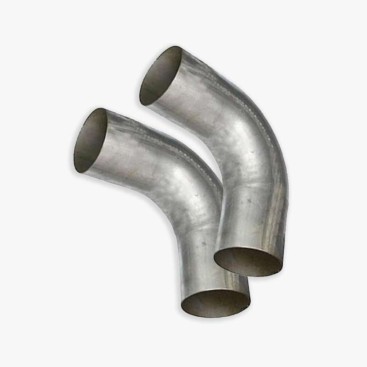
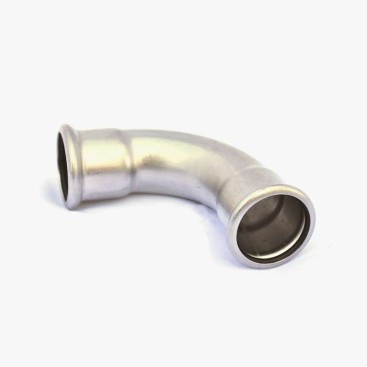
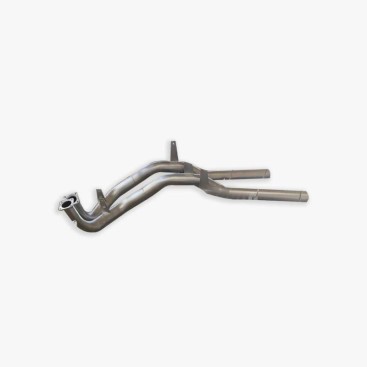
Processing becomes more significant when the buyer requires fixed lengths, tight tolerances, bends, expanded ends, reduced ends, holes, slots or other fabrication. A simple straight tube and a finished exhaust component should not be expected to have the same conversion cost even when they use the same substrate and coating.
Diameter and wall thickness interact with yield. Increasing wall thickness increases steel consumption per metre. Changing the diameter may also require a different forming setup or production line. Very small or unusual dimensions can create additional setup or scheduling costs when they are not part of regular production.
層 4: Packaging and Logistics
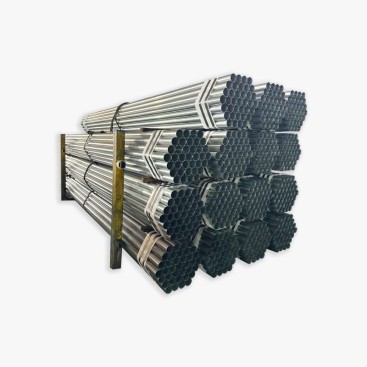
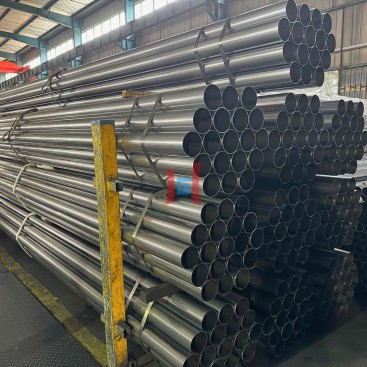
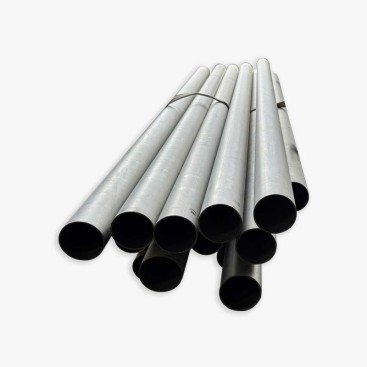
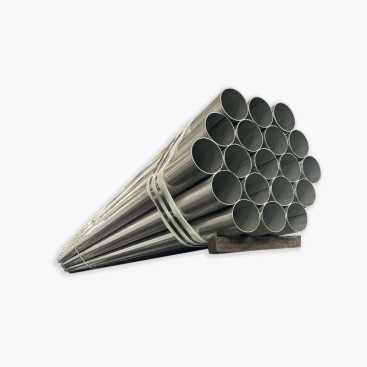
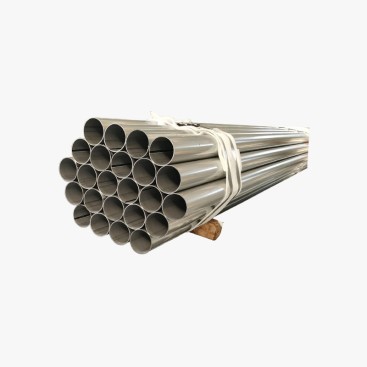
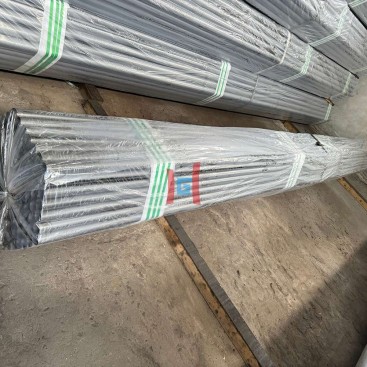
Packaging and logistics are often overlooked because they appear after manufacturing. For long tubular products, しかし, the physical dimensions can influence bundle utilization, container loading, protection requirements and handling. Fixed-length pieces can also produce unused space or inefficient nesting inside bundles.
The delivered cost can therefore change even when the ex-works manufacturing build-up remains unchanged. Procurement teams should distinguish between material and manufacturing cost そして delivered logistics cost when comparing suppliers in different locations.
The Variables That Move the Cost
The most important variables are not equally influential in every project. A useful procurement review should examine the following five groups.
| Variable | What Changes | Procurement Question |
|---|---|---|
| Substrate grade | Alloy input and potentially manufacturing conditions | Is stainless actually required for the service environment? |
| コーティングの種類 & mass | Coating-material consumption and processing | What coating performance is actually required? |
| の & 壁 | Steel consumption, forming and sizing | Can the design use a standard size? |
| Fixed length | Cutting yield and remnant generation | Can component lengths be optimized around standard stock lengths? |
| Order quantity | Setup allocation, production efficiency and freight utilization | Can several requirements be consolidated into one production run? |
Fixed Costs vs Variable Costs
One of the most useful ways to understand a quotation is to separate costs that are relatively fixed for a production run from those that move with every kilogram or metre.
- Production setup
- Tooling or line preparation
- Basic inspection preparation
- Some packaging preparation
- Steel consumption
- Coating consumption
- Cutting length
- Processing quantity
- Freight weight and volume
This distinction explains why changing from one specification to another does not always change every cost component. A minor quantity increase may primarily affect material and freight, while a completely different diameter or wall thickness may require a new production setup. Changing from carbon steel to stainless steel can affect the substrate layer without necessarily changing the entire packaging system.
What Happens When the Specification Changes?
| Specification Change | Likely Cost Layer Affected | Potential Need for New Setup |
|---|---|---|
| Change steel grade | Substrate and manufacturing | Possibly |
| Change coating mass | Coating process | Depends on production route |
| Change wall thickness | 基板, forming and welding | Often requires production adjustment |
| Change OD | 基板, 形にする, sizing and tooling | May require a different setup |
| Change fixed length | Cutting and yield | Usually lower impact than changing the tube size |
| Increase batch quantity | 材料, production allocation and freight | Existing setup may be spread over more output |
Four Practical Ways to Reduce Total Cost
1. Evaluate substrate substitution
If the application currently specifies a stainless substrate, first confirm why that grade is required. If the service environment, 温度, corrosion exposure and design life allow a coated carbon-steel construction, changing the substrate can alter the largest material component of the build-up. This should only be done after engineering validation.
2. Reduce fixed-length cutting loss
Suppose a standard stock length can be divided into several finished pieces with minimal remnant. Designing the cut pattern around available lengths can improve yield without changing the functional dimensions of the finished component. For high-volume production, even a small reduction in remnant percentage can become significant.
3. Consolidate compatible orders
Combining compatible diameters, wall thicknesses or delivery requirements may improve production planning and shipment utilization. The objective is not to combine incompatible specifications, but to avoid unnecessary small production runs when several projects use the same material configuration.
4. Relax non-critical tolerances
Tight tolerances should be reserved for dimensions that affect assembly, sealing, 曲げ, welding or performance. If a drawing specifies a tolerance tighter than the functional requirement, discuss whether a standard tolerance is sufficient. Avoid relaxing safety-critical or interface-critical dimensions simply to reduce manufacturing effort.
Ask Suppliers to Break the Cost Into Layers
A useful quotation request should prevent the supplier from returning only one unexplained total. Asking for a cost build-up helps procurement identify which specification is responsible for the difference between two offers.
Product form: Aluminized steel pipe / tube
Applicable standard: __________________
Substrate grade: 炭素鋼 / 409 / 439 / other ______
Dimensions: OD ______ × WT ______ × length ______
コーティングの種類: __________________
Coating mass/designation: __________________
処理: Straight / 長さに合わせてカット / 曲げ / 端部成形 / other
Quantity: __________________
Delivery destination: __________________
Requested cost breakdown: substrate + コーティング + tube manufacturing + processing + 梱包 + logistics
Documentation: Material certificate, coating documentation and inspection records as required
For international procurement, also ask whether the quoted logistics component is based on the actual bundle dimensions and shipment configuration. This prevents a manufacturing quotation from appearing competitive while the final delivered cost changes substantially after packing and freight are calculated.
Teda Ganghua Cost-Oriented Sourcing Support
泰達江華 can help procurement teams evaluate the complete material and processing configuration rather than comparing an unexplained unit figure. The inquiry can be reviewed according to substrate grade, チューブの寸法, コーティング要件, fixed length, processing, quantity and shipment configuration.
For buyers sourcing アルミメッキ鋼管, Teda Ganghua can support stock-size selection, cut-to-length requirements and customized tube specifications. Providing the drawing or dimensional schedule at the quotation stage makes it easier to distinguish material-driven cost from processing-driven cost and to identify opportunities such as standardizing dimensions, reducing cutting remnants or consolidating compatible requirements.
The most useful commercial comparison is therefore not simply supplier A versus supplier B. それは substrate + コーティング + manufacturing + processing + logistics under the same technical specification. Once these layers are aligned, procurement can identify which changes genuinely reduce total cost without compromising the required service performance.
よくある質問
What is the biggest factor in the total cost?
There is no single factor for every specification. Substrate grade and wall thickness strongly affect material consumption, while coating requirements, 直径, processing, fixed-length yield, quantity and logistics can become significant depending on the project.
Does a heavier aluminum coating always mean a higher total cost?
A higher coating mass generally requires more coating material, but the actual commercial impact depends on the coating specification, production route, tube dimensions and order quantity. The coating requirement should be compared using the same applicable standard and designation.
Can stainless steel 409 または 439 be replaced with carbon steel?
Only when the application has been technically evaluated and the carbon-steel construction provides the required temperature resistance, 腐食保護, mechanical performance and service life. Material substitution should be approved against the actual operating conditions rather than made solely from a cost comparison.
How can fixed-length requirements increase manufacturing cost?
A fixed length that does not fit efficiently into the supplier’s standard production or cutting length can create additional remnants and lower material yield. Reviewing cut patterns and standard stock lengths can reduce this loss without changing the required finished dimensions.
What should be included in a cost comparison between suppliers?
Use identical substrate grade, の, 壁の厚さ, コーティングの種類と質量, 長さ, 許容範囲, processing, 検査書類, 量, packaging basis and delivery terms. その後、サプライヤーに材料を分別するよう依頼してください。, コーティング, manufacturing, 加工および物流コンポーネント.