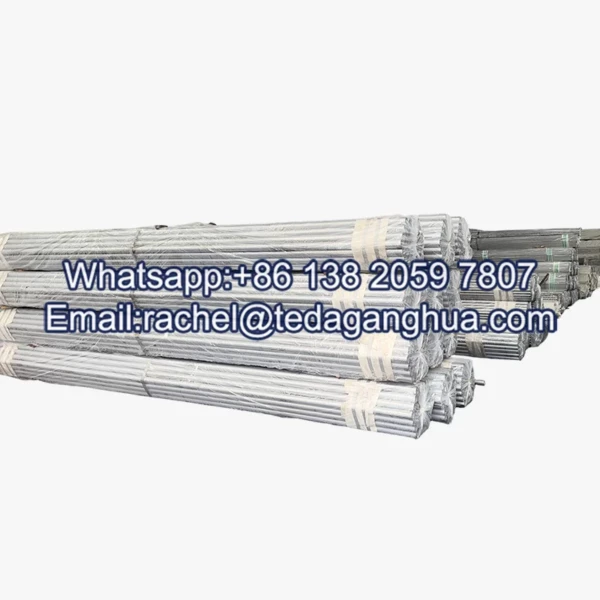
- 説明
説明
Choosing an aluminized steel pipe exporter involves more than comparing product prices. An exporter may coordinate supplier sourcing, export documentation, customs procedures, freight booking, shipment scheduling, payment arrangements, and orders containing multiple product types. For overseas buyers, these services can simplify purchasing, especially when the order involves several specifications or requires coordinated delivery.
しかし, buyers should distinguish the exporter’s commercial role from the manufacturer’s production responsibilities. An exporter may sell products manufactured by another company, while a factory may manage exports directly or work through an authorized trading partner. Before placing an order, confirm who signs the contract, who receives payment, who controls the product specification, and who is responsible for resolving quality or shipping disputes.
1. What Does an Exporter Actually Do?
An exporter acts as a commercial and logistical link between the supplier and the overseas buyer. Depending on the contract, the exporter may purchase finished tubes from a manufacturer and resell them, arrange production to the buyer’s specification, or coordinate a shipment involving several products or suppliers.
| Export service | Potential value to the buyer | What to confirm |
|---|---|---|
| Supplier coordination | Provides one commercial contact for sourcing and order follow-up. | Who manufactures the tubes and who approves technical changes? |
| ドキュメントのエクスポート | Coordinates invoices, packing lists, transport documents, and other required records. | Who prepares, checks, and issues each document? |
| Customs coordination | Organizes export declarations and works with the relevant customs broker. | Who is responsible for export clearance and related charges? |
| Freight and shipment booking | Coordinates transport schedules, booking, loading, and shipping updates. | Which transport costs and services are included in the quotation? |
| Payment arrangements | Provides an agreed commercial payment channel and coordinates payment milestones. | Does the beneficiary account match the contracted seller or an appropriately documented authorized party? |
| Multi-product consolidation | May coordinate different dimensions or related products into one shipment. | Can products from different production sources be consolidated without losing traceability? |
The scope of an exporter’s work varies. Some exporters only handle sales and shipping coordination, while others manage technical communication, inspection arrangements, packing instructions, and production follow-up. Buyers should define the agreed scope in the quotation and purchase contract instead of assuming every service is included.
2. Essential Export Documents for Aluminized Steel Pipe
The required documents depend on the destination country, customs rules, product specifications, payment method, and contract terms. The following list is a practical starting point rather than a universal requirement for every shipment.
| Document | Main purpose | Buyer verification |
|---|---|---|
| Commercial invoice | Records the sale, seller, buyer, product description, value, currency, and agreed trade terms. | Check product descriptions, quantities, unit prices, total value, and contracting parties. |
| Packing list | Details packages, quantities, dimensions where specified, and shipment weights. | Reconcile bundle counts, piece quantities, net weight, and gross weight with the shipment. |
| Bill of lading or other transport document | Records the carriage of goods and relevant shipment information. | Verify shipper, consignee, notify party where applicable, cargo description, and shipment details. |
| Certificate of origin | Provides origin information when required or agreed. | Confirm the issuing authority, origin rules, and destination-country requirements. |
| Material certificate | Documents specified material properties and identification where covered by the certificate. | Match the grade, 適用規格, batch or coil identification, and purchase specification. |
| Coating documentation | Supports verification of the specified coating type and relevant properties. | Check coating designation, test basis, トレーサビリティ, and the scope of the evidence. |
| Inspection report | Records agreed inspection results for dimensions, コーティング, welds, or other specified characteristics. | Confirm inspection scope, acceptance criteria, report date, batch identity, and inspector where applicable. |
Depending on the destination and transaction, additional documents may be needed, such as an export customs declaration, insurance certificate, import permit, conformity documentation, fumigation or packaging declaration where applicable, or documents required by a letter of credit. Confirm requirements with the importer, customs broker, bank, and relevant authorities before shipment.
Do not assume that every shipment requires every document in the table. 例えば, a certificate of origin may be required by the buyer, a customs authority, or a preferential trade arrangement, but its format and issuing requirements vary. Likewise, a bill of lading applies to relevant sea shipments, while other transport modes use different transport documents.
3. FOB, CIF, and EXW: Understand the Cost and Risk Split
Incoterms® rules allocate specified obligations, costs, and risks between the seller and buyer. They do not replace the sales contract or automatically determine ownership transfer, payment timing, product quality obligations, or every possible fee. Always identify the named place or port and the applicable Incoterms® edition in the contract.
| Term | General allocation | Buyer should check |
|---|---|---|
| EXW | The seller generally makes the goods available at the named place. The buyer assumes most transport arrangements and costs from that point, subject to the rule’s details. | Who loads the goods, who handles export clearance, and whether the buyer can practically manage export formalities in the seller’s country. |
| FOB | For sea or inland waterway transport, the seller delivers when the goods are on board the vessel nominated by the buyer at the named port of shipment. Risk transfers at that delivery point. | Port charges, loading arrangements, vessel booking, export clearance, and which costs fall before or after the on-board delivery point. |
| CIF | For sea or inland waterway transport, the seller arranges and pays for carriage and the required minimum insurance to the named destination port. Risk generally transfers when the goods are on board at the port of shipment. | Insurance coverage, destination charges, exclusions, and the difference between the seller paying freight and the point where risk transfers. |
One frequent misunderstanding is that CIF means the seller bears the risk until the goods arrive at the destination port. Under CIF, the seller pays for carriage and arranges insurance to the named destination port, but risk generally transfers to the buyer when the goods are loaded on board at the shipment port.
FOB and CIF are intended for sea and inland waterway transport. For containerized cargo handed to a carrier at a terminal before it is loaded on board, FCA may be more appropriate, depending on the shipment arrangement. EXW can also create practical export-clearance challenges for a foreign buyer. The appropriate term should reflect the actual transport method and the parties’ 能力.
For a related discussion of export quotation structure and responsibility allocation, see the linked page on アルミメッキ鋼管 and confirm the commercial scope directly with the supplier before accepting an offer.
4. Exporter vs. Factory-Direct Sourcing
Choosing between an exporter and a factory that sells directly depends on order size, product complexity, shipping requirements, and the buyer’s internal resources. Neither route is automatically better for every transaction.
| Decision factor | Exporter or trading company | Factory-direct purchase |
|---|---|---|
| Product sourcing | May coordinate products from multiple manufacturers. | Usually depends on the factory’s own product range and approved supply chain. |
| Order flexibility | May offer mixed sizes or consolidated orders if supply arrangements permit. | May have minimum production quantities or narrower options for nonstandard products. |
| Technical communication | May coordinate technical questions with the production facility. | Can provide direct access to production and quality personnel when available. |
| Price structure | May include sourcing, documentation, and coordination services in the commercial margin or service charges. | May reduce some intermediary costs, but production minimums and export services still affect the total. |
| Responsibility | The contractual seller’s obligations should be clearly defined, even when manufacturing is subcontracted. | The buyer should confirm whether the factory is also the seller and exporter of record. |
When comparing offers, evaluate the total delivered cost and the clarity of responsibilities. A slightly higher quotation may provide value if it includes dependable documentation, consolidated shipping, transparent inspection arrangements, and a clearly identified party responsible for resolving claims.
5. Three Export Transaction Risks to Check
Risk 1: The payment beneficiary does not match the contract seller
The company named as the seller in the contract, the company issuing the invoice, and the bank-account beneficiary should be consistent or supported by a clear, verifiable legal explanation. If payment is requested to a third party, ask why, obtain formal documentation, and verify the arrangement through a trusted contact channel before transferring funds. Do not rely solely on an emailed change of bank details.
Risk 2: The shipping documents do not match the physical goods
Discrepancies in product description, 量, bundle marks, net or gross weight, 寸法, batch identifiers, or consignee information can delay customs clearance, complicate payment, or create receiving disputes. Ask the supplier to cross-check the commercial invoice, packing list, transport documents, and inspection records before dispatch.
Risk 3: The coating grade or material specification is substituted
Confirm the required coating designation, 材質グレード, 適用規格, and test requirements in the purchase contract. Ask how the incoming coated coil is identified and how finished tubes remain traceable to that material. Any proposed substitution of the coating source, grade, or specification should require written approval before production or shipment.
These risks are easier to manage when the contract identifies the technical specification, inspection and acceptance criteria, document requirements, payment milestones, shipment responsibilities, and claims process. The buyer should resolve ambiguities before issuing the purchase order or making an advance payment.
6. Exporter Qualification Checklist
Use this checklist before committing to a new export supplier. Request documentary evidence for each relevant point rather than relying only on verbal assurances.
| Verification area | Question | Evidence or action |
|---|---|---|
| Legal identity | Who is the contractual seller and exporter? | Verify company registration details and the contracting entity. |
| Payment security | Does the beneficiary match the seller or a documented authorized party? | Check bank details independently and verify any third-party payment arrangement. |
| Product source | Which facility manufactures the finished pipe and supplies the coated coil? | Obtain supplier details and traceability records relevant to the order. |
| Technical compliance | Are material, コーティング, 寸法, and inspection criteria fully specified? | Review the purchase specification and supporting certificates or reports. |
| Export documents | Can the exporter provide the documents required for the destination and payment method? | Agree on a document list and review draft documents before shipment. |
| Incoterm and delivery | Where do costs and risks transfer, and which charges are included? | Specify the named place or port, Incoterms® edition, and any excluded charges. |
| Quality claims | Who handles defects, missing documents, or shipment discrepancies? | Set out notification deadlines, evidence requirements, and corrective-action responsibilities. |
7. Request an Export Quotation from Teda Ganghua
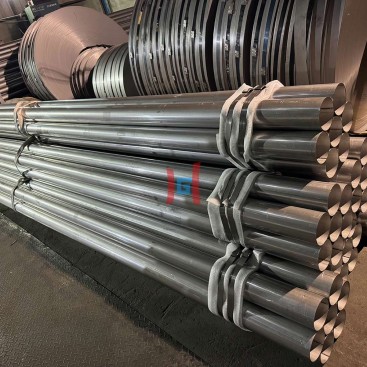
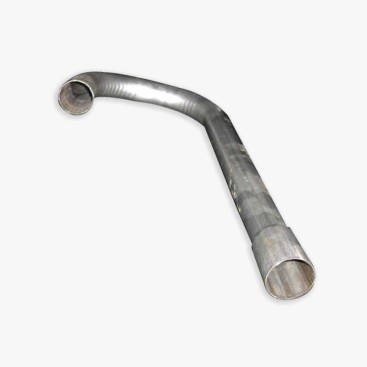
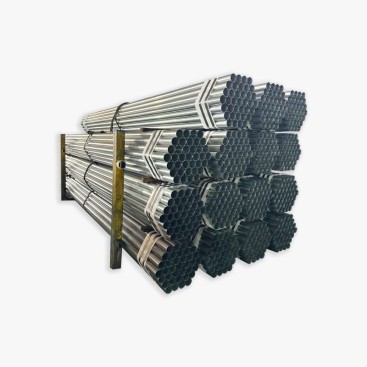
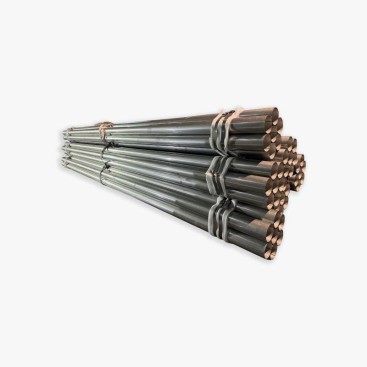
Teda Ganghua supports procurement teams sourcing アルミメッキ鋼管 for international purchasing and project requirements. To receive a useful quotation, provide the outside diameter, 壁の厚さ, コーティング要件, applicable finished-tube standard, required lengths, order quantity, 行き先, and preferred delivery term.
For a smoother export transaction, specify the required material and coating documents, inspection scope, packing details, shipment schedule, and payment terms at the inquiry stage. Confirm the contracting entity and agree on the document list before production or dispatch so that the commercial paperwork can be reconciled with the actual goods.
よくある質問
What is the difference between an exporter and a manufacturer?
A manufacturer produces the goods, while an exporter coordinates or conducts the international sale and export transaction. One company may perform both roles, but buyers should verify who manufactures the product, who signs the contract, and who is responsible for export documentation and claims.
Which documents are commonly required when exporting aluminized steel pipe?
Common documents include a commercial invoice, packing list, and applicable transport document. Depending on the destination and contract, buyers may also need a certificate of origin, material and coating documentation, 検査報告書, customs records, insurance documents, or other regulatory paperwork.
Does CIF mean the seller bears all risks until the goods arrive?
いいえ. Under CIF, the seller arranges and pays for carriage and the required insurance to the named destination port, but risk generally transfers when the goods are loaded on board the vessel at the shipment port. Buyers should review the applicable Incoterms® rule and insurance coverage.
Should I buy directly from a factory or through an exporter?
Factory-direct sourcing can suit repeat orders and stable specifications, while exporters may provide sourcing flexibility, document coordination, shipment booking, and multi-product consolidation. Compare the full commercial scope, technical capability, delivery requirements, and contractual responsibility.
How can I reduce the risk of a coating-grade substitution?
注文書にコーティング要件と適用される規格を記載します, 関連する証明書とテスト記録を要求する, 材料のトレーサビリティを確認する, 代替には書面による承認が必要です. 文書が一般的な製品カテゴリーを説明するだけでなく、実際に供給される材料を特定していることを確認してください。.