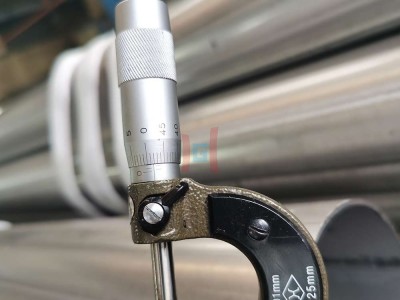
ASTM A463 및 ASTM A787 알루미늄 코팅 강철 튜브 표준
ASTM A463 및 ASTM A787은 알루미늄 코팅 강철 튜브 제조에서 서로 다르지만 밀접하게 관련된 목적을 제공합니다.. The first establishes requirements for aluminum-coated steel sheet, while the second covers finished electric-resistance-welded metallic-coated carbon steel mechanical tubing. Understanding this distinction helps procurement managers identify the correct material requirements, avoid incomplete purchase specifications, and establish clear inspection responsibilities throughout production.
1. ASTM A463 vs. ASTM A787: Different Standards for Different Products
ASTM A463/A463M covers hot-dip aluminum-coated steel sheet supplied in coils and cut lengths. It focuses on the coating type, coating mass, 기질 등급, and relevant material requirements.
ASTM A787/A787M covers electric-resistance-welded metallic-coated carbon steel mechanical tubing, including tubing manufactured from aluminum-coated steel sheet. It addresses the finished tubular product rather than simply the original flat steel material.
| 비교 | ASTM A463/A463M | ASTM A787/A787M |
|---|---|---|
| Product form | Steel sheet and strip | ERW mechanical tubing |
| Main purpose | Control of aluminum-coated flat steel | Control of finished metallic-coated tubing |
| Main requirements | 코팅 종류, coating mass, substrate properties | 튜브 치수, manufacturing, mechanical and coating requirements |
| Manufacturing stage | Flat steel production | Tube production and finished-product inspection |
| Typical users | Steel processors and tube manufacturers | Tube manufacturers and industrial procurement teams |
2. How A463 Steel Sheet Becomes A787 Mechanical Tubing
When pre-coated aluminum steel sheet is used to manufacture tubing, the two specifications form different parts of the material compliance chain.
Coating composition, coating mass and substrate requirements
Width adjustment and material preparation
Forming the tubular section and producing the longitudinal weld
튜브 치수, weld requirements and finished-product inspection
This relationship is particularly important because the original coating condition may change during tube forming and welding. The weld area and heat-affected region can require additional attention, especially when the customer specifies recoating requirements.
그러므로, a steel coil that satisfies its original material specification does not automatically prove that the finished tube meets every dimensional, 용접, and coating-related requirement.
3. What Should Be Inspected Under Each Standard?
3.1 A463: Raw Material Inspection
For aluminum-coated steel sheet, buyers should focus on the following characteristics:
- Aluminum coating classification: 유형 1 또는 유형 2.
- Coating designation and actual coating mass.
- Base steel grade and applicable mechanical properties.
- Sheet thickness, 너비, and dimensional tolerances.
- Coating adhesion and surface condition.
- Required inspection documentation and material traceability.
3.2 A787: Finished Tube Inspection
For finished metallic-coated mechanical tubing, the inspection scope extends to the tubular product itself.
- Outside diameter and wall thickness.
- 둥근, 정사각형, 직사각형, or special tube profile.
- Tube length and dimensional tolerances.
- Carbon steel chemical and mechanical requirements.
- ERW weld quality and applicable manufacturing requirements.
- Coating condition and specified treatment of the weld area.
- Additional requirements agreed between the manufacturer and purchaser.
The applicable standard edition should always be identified in the purchase order because detailed requirements and available product classifications can change between revisions.
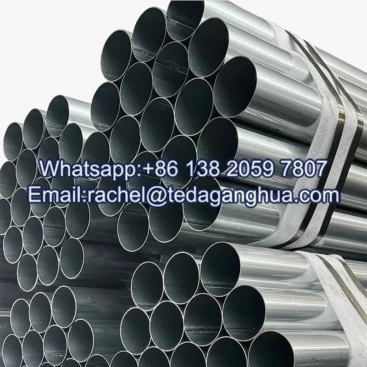
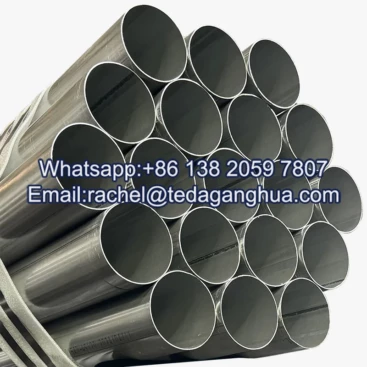
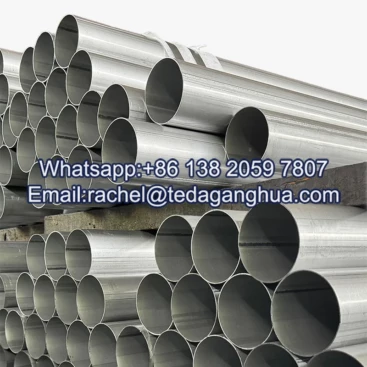
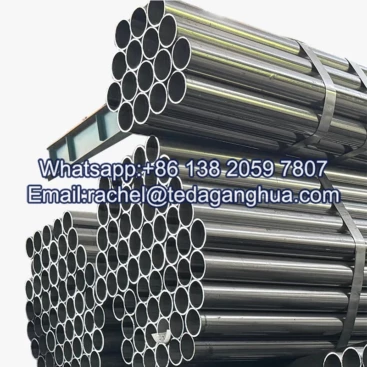
4. Why Buyers Should Specify Both Raw Material and Finished Tube Requirements
One of the most common procurement mistakes is using only the raw material specification when purchasing finished tubing.
예를 들어, writing only “ASTM A463 aluminum-coated steel tube” does not fully identify the finished product requirements. The designation describes the flat steel material, not all the characteristics of the manufactured tube.
| Incomplete specification | Potential problem | Recommended approach |
|---|---|---|
| Only specifying A463 | Finished tube dimensions and weld acceptance remain unclear | Add the applicable tubing specification |
| Only specifying coating type | Actual coating mass is undefined | Specify coating designation and measurement basis |
| Ignoring the weld area | Local coating damage may remain unresolved | Define weld inspection and recoating requirements |
| No dimensional details | Manufacturing tolerances may not match the application | Specify OD, wall thickness and length |
5. 테다강화: Aluminum-Coated Steel Tube Supply and Specification Support
For international industrial buyers, understanding the relationship between raw material standards and finished-product standards is essential when selecting a reliable supply partner.
테다강화 is a China-based metal processing and export enterprise with export experience dating back to 2006. The company supports international procurement managers, 유통업체, and industrial manufacturers with metal product sourcing, processing coordination, and technical specification confirmation.
For aluminum-coated tubing projects, Teda Ganghua can assist buyers in reviewing important order details, 포함:
- ASTM material and finished-product specification requirements.
- Aluminum coating type and coating mass designation.
- Outside diameter, 벽 두께, and length.
- Substrate grade and application-specific requirements.
- Weld quality, 표면 상태, and inspection documentation.
- Customized supply requirements based on technical drawings.
When purchasing 알루미늄 도금 강철 튜브, buyers should provide the intended application, material standard, 치수, 코팅 요구 사항, and expected inspection criteria. This allows the supply team to evaluate the complete product specification rather than treating the original coated steel sheet as the finished product.
Teda Ganghua welcomes inquiries from overseas procurement managers seeking stable material supply, specification coordination, and customized metal product solutions for industrial applications.