- 설명
설명
Aluminized Steel for Chimney Liners: The 677°C Flue Barrier and Stainless Steel Alternative Guide
Aluminized steel for chimney liners is used as a cost-effective solution for flue gas systems where moderate temperature resistance and oxidation protection are required. The aluminum-silicon coating forms a stable aluminum oxide layer during heating, helping protect the steel substrate from high-temperature oxidation.
For gas and oil heating systems, chimney liners normally experience temperatures within the effective operating range of aluminized steel. 하지만, fuel type, condensation conditions, and exhaust chemistry must be considered before selecting the liner material.
Where Aluminized Steel Is Used in Chimney Systems
| Chimney Component | 기능 | Material Requirement |
|---|---|---|
| Inner Liner | Direct contact with flue gases | Oxidation resistance and thermal stability |
| Spiral Pipe Section | Exhaust gas transportation | Formability and weldability |
| Double Wall Chimney Inner Layer | Heat-resistant barrier | Coating durability |
| Outer Shell | Weather protection | Appearance and corrosion resistance |
Temperature Range of Chimney Liner Applications
The suitability of aluminized steel depends mainly on exhaust temperature and exposure conditions. The aluminum coating provides protection up to approximately 677°C in continuous service conditions, making it suitable for many medium-temperature flue applications.
| Fuel System | Typical Flue Temperature | Material Evaluation |
|---|---|---|
| Natural Gas Heating | 150-250℃ | Generally suitable for aluminized steel |
| Oil-Fired Equipment | 200-350℃ | Suitable when condensation is controlled |
| Wood Burning Systems | 300-500℃ | Requires temperature and ash evaluation |
Why Choose Aluminized Steel for Chimney Liners?
- 고온 내산화성: Aluminum coating creates a protective oxide layer during heating.
- Cost efficiency: Lower material cost compared with stainless steel liner solutions.
- Good fabrication performance: Suitable for rolling, 형성, and welded pipe production.
- 경량 구조: Easier handling compared with thicker stainless liner systems.
Aluminized Steel vs Stainless Steel Chimney Liners
| 재료 | 주요 이점 | Application Focus |
|---|---|---|
| 알루미늄 도금 강철 | Good heat resistance and economical protection | Gas and medium-temperature flue systems |
| 304 스테인레스 스틸 | Better corrosion resistance | General premium chimney liners |
| 316 스테인레스 스틸 | Higher resistance to chemical corrosion | Condensing and aggressive environments |
Condensation Risk in Chimney Liner Selection
Condensation is one of the most important factors when selecting chimney liner materials. High-efficiency boilers often reduce exhaust temperature, allowing water vapor to condense inside the flue.
Condensed liquid may contain acidic components that accelerate corrosion. In these applications, stainless steel materials are often considered for areas exposed directly to condensate, while aluminized steel remains suitable for dry exhaust sections.
Chimney Liner Manufacturing Process
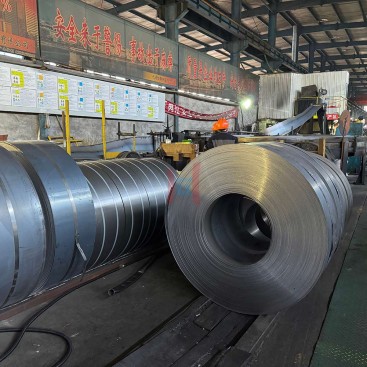
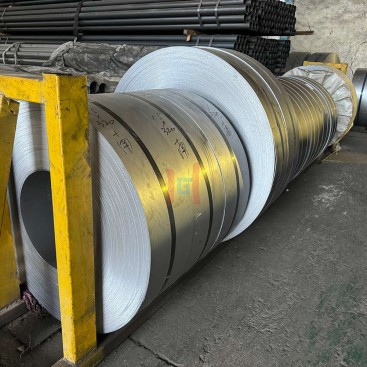
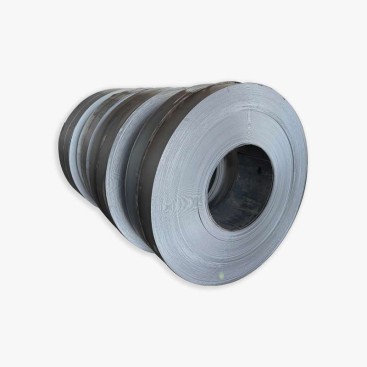
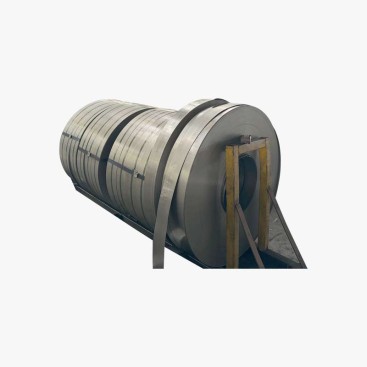
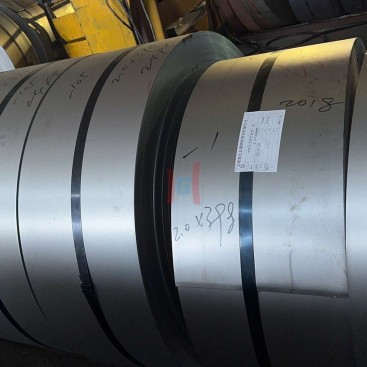
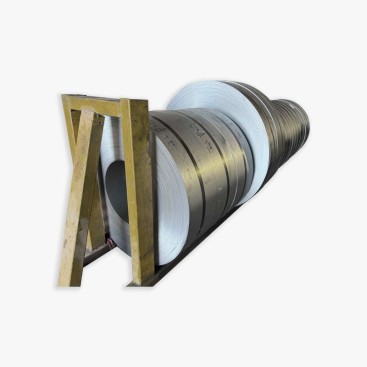
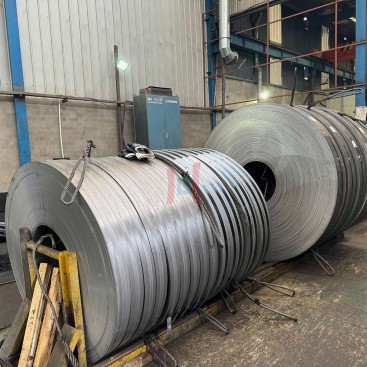
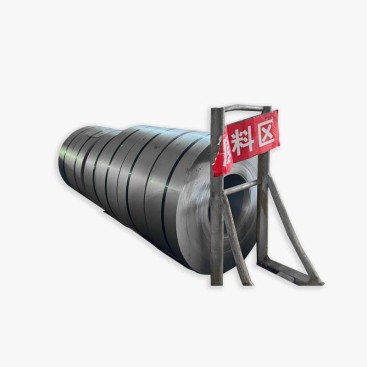
Aluminized steel coil can be processed into chimney liner sections through a continuous forming process:
| 프로세스 단계 | 설명 |
|---|---|
| 코일 슬리팅 | Adjust width according to pipe diameter |
| 롤 성형 | Create cylindrical liner shape |
| Spiral or Longitudinal Welding | Connect pipe structure |
| Cutting and Inspection | Prepare finished liner sections |
Double Wall Chimney System Design
In many chimney systems, aluminized steel is used as the inner heat-resistant layer, while the external layer provides weather protection. This structure combines thermal performance with improved outdoor durability.
- Inner liner: aluminized steel for heat and oxidation resistance.
- 절연층: reduces external temperature.
- Outer shell: protects against weather exposure.
Standards and Material Verification
Chimney liner projects should confirm material requirements according to the applicable chimney and heating equipment standards. Specifications may include temperature classification, 부식 저항, 기계적 강도, 및 제조 요구 사항.
For certified chimney systems, manufacturers should verify whether aluminized steel meets the required system approval requirements, such as those related to chimney construction standards including UL 103 응용 프로그램.
Recommended Aluminized Steel Specifications for Chimney Liners
| 애플리케이션 | Typical Thickness | 처리 |
|---|---|---|
| Small Gas Chimney Liner | 0.8-1.2mm | Roll forming and welding |
| Industrial Flue Sections | 1.2-2.0mm | Pipe fabrication |
| Double Wall Chimney Inner Layer | 1.0-1.5mm | Continuous forming |
Teda Ganghua Aluminized Steel Supply for Chimney Applications
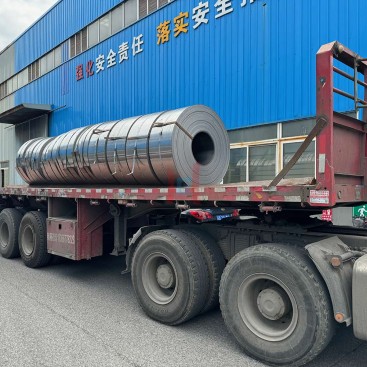
테다강화용품 알루미늄 도금 강철 코일 굴뚝 라이너 제조업체의 경우, 난방 장비 생산자, 및 금속 제조 회사. 안정적인 코팅 성능으로, 맞춤형 두께 옵션, 및 처리 지원, Teda Ganghua는 고객이 신뢰할 수 있는 연도관을 개발하도록 돕습니다., 내부 라이너, 및 내열 부품.
올바른 굴뚝 라이너 재료를 선택하려면 온도 저항의 균형이 필요합니다., 결로 노출, 서비스 수명, 및 제조 요구 사항. 알루미늄 도금 강철은 적용 조건이 적절하게 평가될 때 많은 중온 굴뚝 시스템에 경제적인 옵션을 제공합니다..