Oven Buyer’s Guide-Common application scenarios of aluminized steel
🍰 Daily Shopping Guide: 5 Key Points🔥
1️⃣ Liner Material
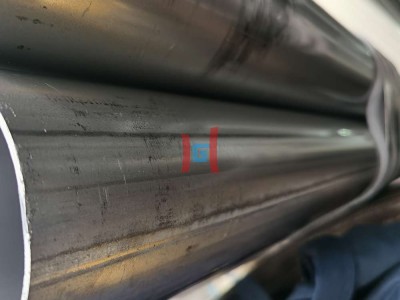
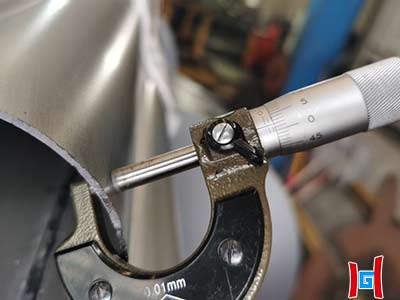
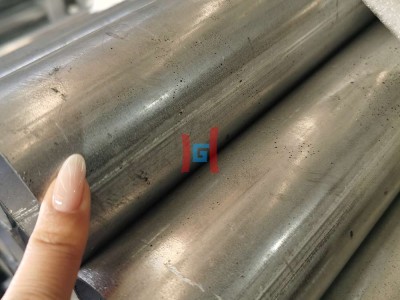
When selecting a liner material, consider durability and safety. Common options include aluminized plates and flat plates. Flat plates are affordable but prone to oxidation at high temperatures, which may pose health risks. In contrast, aluminized plates offer better oxidation resistance and longevity, making them a preferred choice. Other options include stainless steel and coated liners. Aluminized steel sheets are also widely used for their heat resistance and durability.
2️⃣ Capacity and Appearance
For beginners, a 30L-40L capacity is suitable for home use. Larger models, starting from 42L, are available for greater storage. In terms of appearance, a box design ensures even heating. Choosing a model with a height of at least 300mm is recommended.
3️⃣ Shelves and Functions
The number of shelves impacts usability. Models with four or more shelves provide extra space and better temperature control. Advanced shelves now come with additional features. Selection should be based on layout and personal needs.
4️⃣ Power and Size
Oven power ranges from 500 to 2000 watts, affecting both energy consumption and size. Choosing an oven with at least a 20L capacity ensures proper food handling and prevents overheating near the heating tube. Many aluminized steel applications involve high-temperature environments, making them ideal for ovens and other heating appliances.
5️⃣ Additional Functions
High-end models offer features like automatic cooking modes and temperature control. While more expensive, these functions enhance user experience and are ideal for baking enthusiasts seeking greater convenience. For quality materials, consulting an aluminized steel supplier ensures the best selection for long-lasting performance.