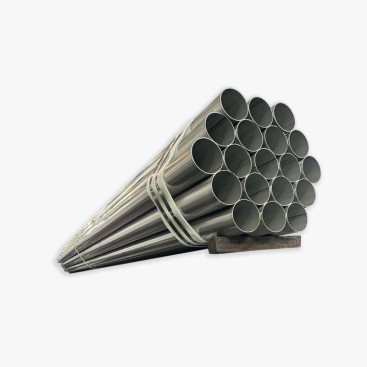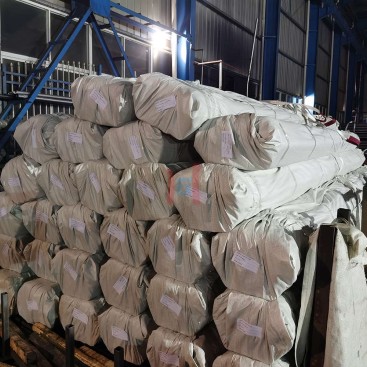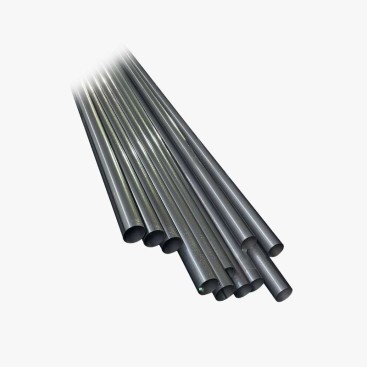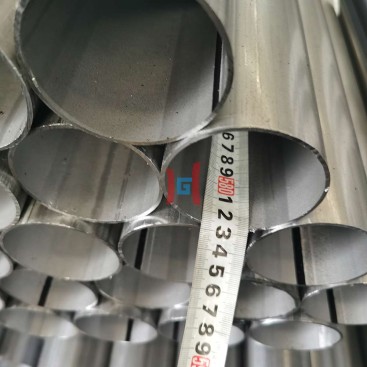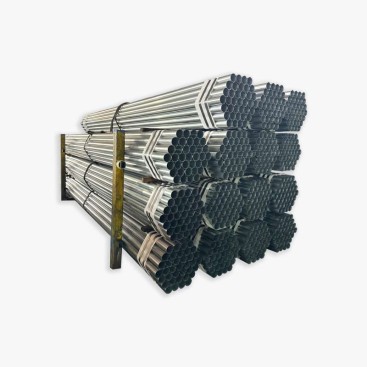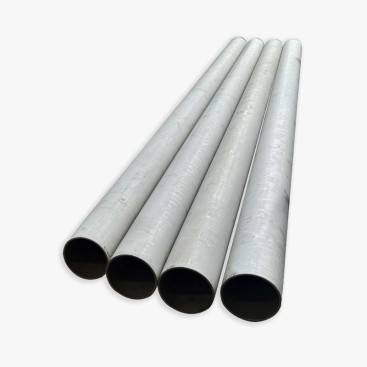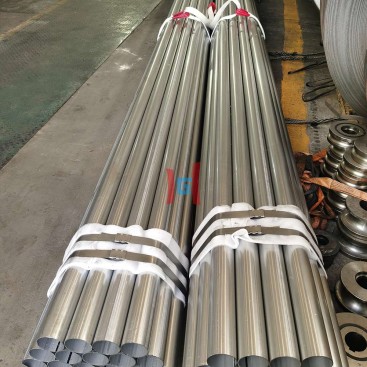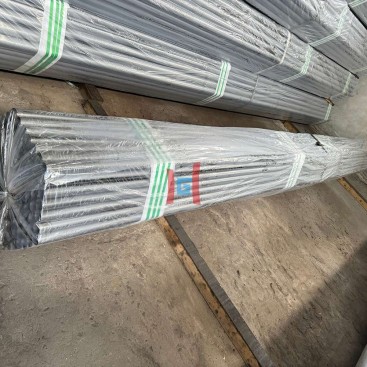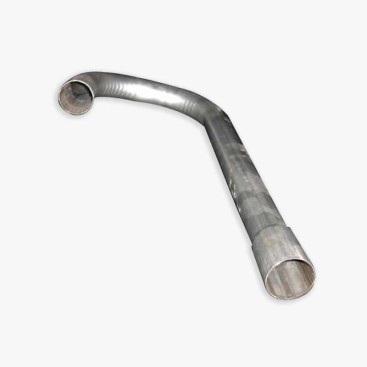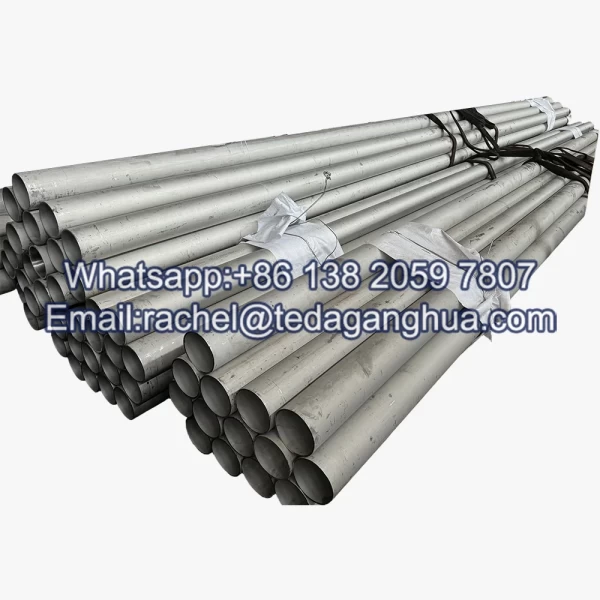
Aluminized Seamless Pipe
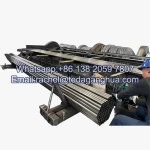
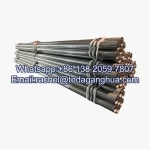
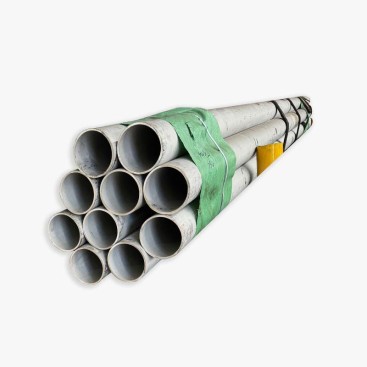
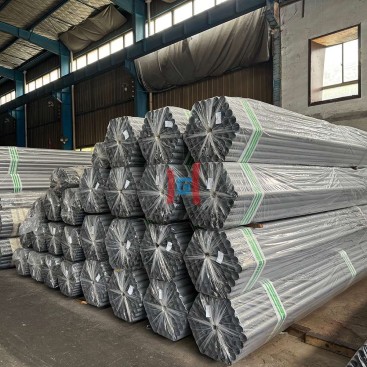
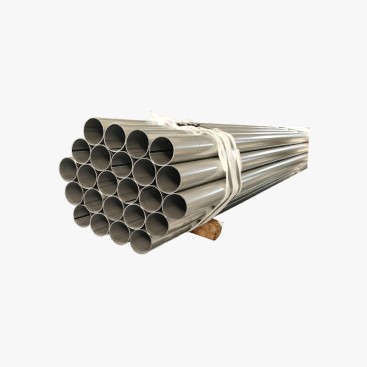
The aluminized seamless pipe is produced through a combination of seamless pipe forming and hot-dip aluminizing technology. The manufacturing process ensures both high mechanical strength and excellent surface protection.
With its seamless structure and aluminum coating, it offers superior performance in high-temperature, high-strength, and oxidation-prone environments, making it widely used in automotive, energy, and industrial piping systems.
- Description
Description
An aluminized seamless pipe is a steel pipe produced without any welded seam and then coated with an aluminum-silicon alloy layer to improve corrosion resistance, heat resistance, and surface durability. It is widely used in automotive systems, industrial heat exchange, exhaust systems, and high-temperature fluid or gas transportation.
Compared with welded pipes, seamless aluminized pipes offer higher structural integrity and better performance under pressure and thermal stress.
What Is an Aluminized Seamless Pipe?
This product combines two key characteristics:
- Seamless steel pipe: formed without welding, ensuring uniform strength
- Aluminized coating: applied to improve oxidation and corrosion resistance
The result is a pipe with:
- High mechanical strength
- Smooth internal structure
- Enhanced surface protection
Manufacturing Process of Aluminized Seamless Pipe
The production of aluminized seamless pipe involves multiple controlled stages:
1. Raw Steel Selection
High-quality carbon steel or low-alloy steel billets are selected.
- Ensures uniform chemical composition
- Provides strong mechanical properties
- Suitable for high-temperature applications
2. Seamless Pipe Forming
The seamless pipe is produced through hot working processes:
Main Steps:
- Billet heating
- Piercing to form hollow shell
- Rolling and elongation
- Sizing and straightening
Key Features:
- No welding seam
- Uniform wall thickness
- High pressure resistance
3. Surface Preparation
Before aluminizing, the pipe surface must be cleaned:
- Degreasing to remove oil and contaminants
- Pickling to remove oxide scale
- Surface activation for better coating adhesion
This step ensures strong bonding between steel and aluminum layer.
4. Hot-Dip Aluminizing Process
This is the core step of manufacturing.
Process Principle:
- The seamless pipe is immersed in molten aluminum-silicon alloy
- A metallurgical bonding layer forms on the surface
- A protective coating is created after controlled cooling
Key Features:
- Uniform coating thickness
- Strong adhesion to steel base
- Excellent oxidation resistance
5. Cooling and Solidification
After coating:
- Pipe is cooled under controlled conditions
- Aluminum layer solidifies evenly
- Protective oxide film naturally forms on the surface
6. Finishing and Inspection
Final processing includes:
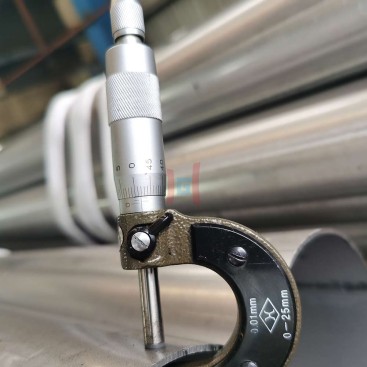
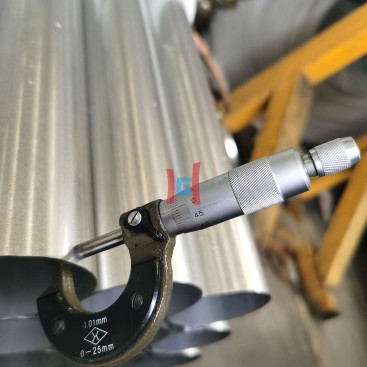
- Dimensional inspection
- Coating thickness measurement
- Surface quality check
- Straightness correction
Only qualified pipes are released for industrial use.
Structure of Aluminized Seamless Pipe
| Layer | Function |
|---|---|
| Aluminum-silicon coating | Corrosion and heat resistance |
| Diffusion layer | Strong metallurgical bonding |
| Seamless steel base | Mechanical strength and pressure resistance |
Advantages of the Manufacturing Process
- Seamless structure ensures high strength
- Aluminizing provides long-term oxidation resistance
- Suitable for high-temperature environments
- Strong coating adhesion prevents peeling
- Consistent performance in industrial applications
Common Applications
Automotive Industry
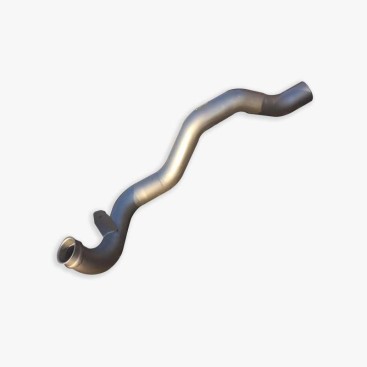
- Exhaust systems
- Heat shielding pipes
- Engine fluid lines
Industrial Heat Systems
- Heat exchangers
- Furnace gas pipelines
- High-temperature air ducts
Energy and Power Plants
- Flue gas pipelines
- Boiler exhaust systems
- Thermal processing equipment
Mechanical and Engineering Systems
- High-pressure fluid transport
- Industrial ventilation systems
- Protective piping structures
Advantages of Aluminized Seamless Pipe
- High structural strength (seamless design)
- Excellent heat and oxidation resistance
- Long service life in harsh environments
- Smooth internal flow performance
- Suitable for high-temperature applications
Limitations
- Higher production cost than welded pipes
- Limited use in highly corrosive chemical environments
- Not suitable for ultra-high-pressure extreme systems beyond design limits