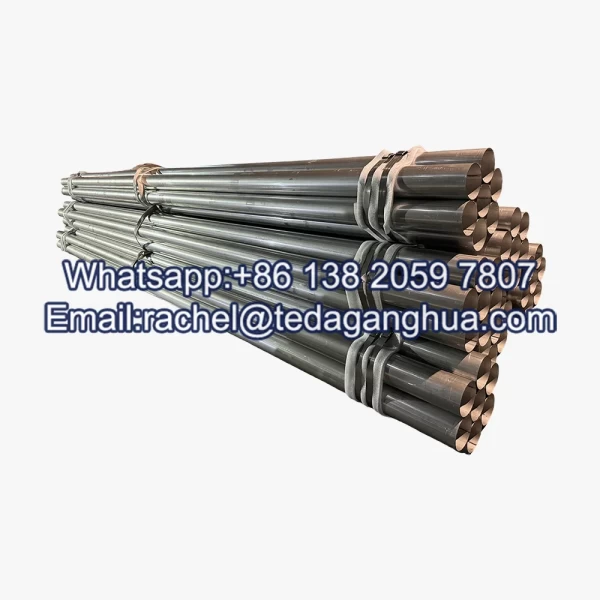
Aluminized Steel Welding
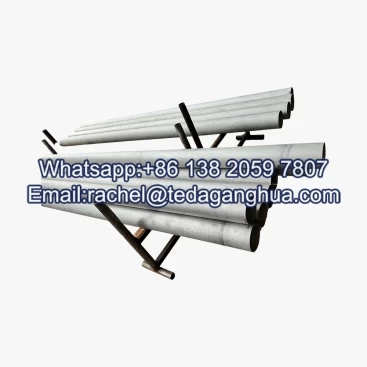
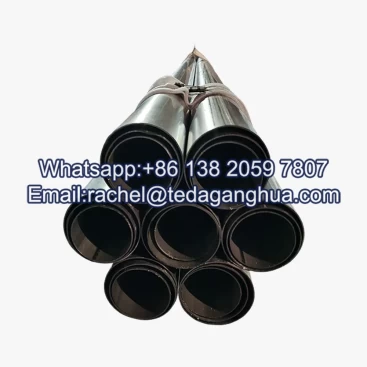
Aluminized steel welding is a common manufacturing process for heat-resistant fabricated products. The material can be cut, formed, and welded using conventional metalworking equipment, but the aluminum-silicon coating requires additional surface preparation.
The most common fabrication route is:
cutting → forming → weld area cleaning → welding → surface protection
- Description
Description
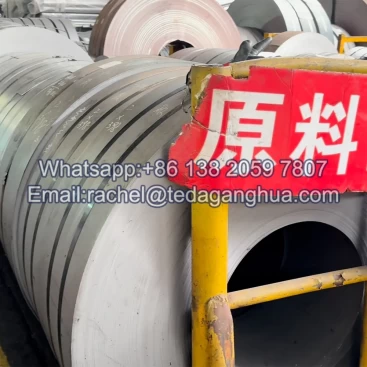
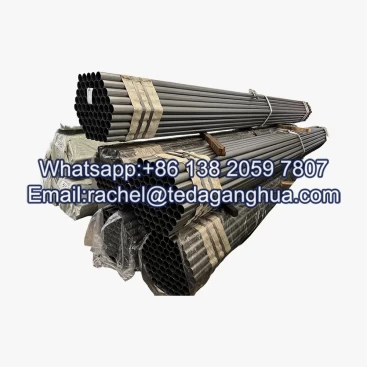
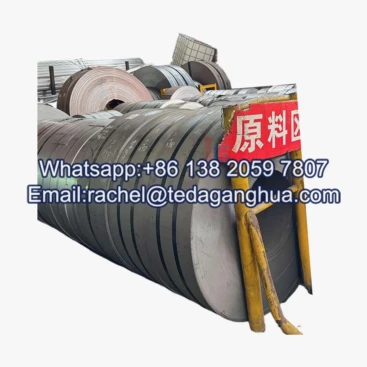
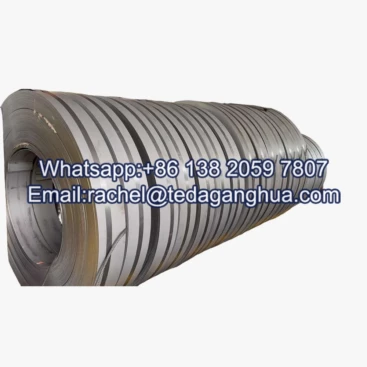
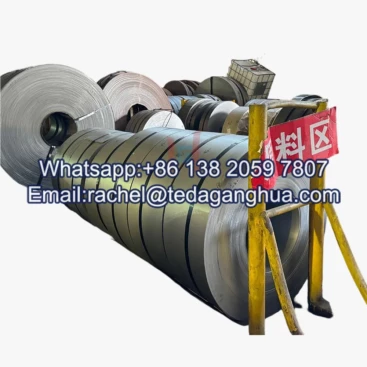
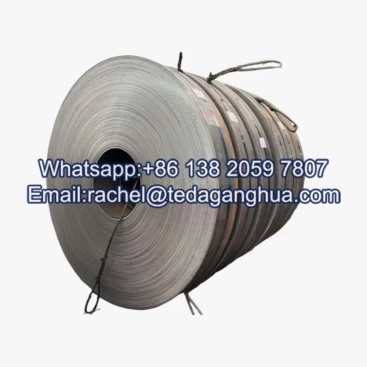
Aluminized steel welding is the process of joining carbon steel coated with an aluminum-silicon alloy layer. This material is commonly used in automotive exhaust systems, industrial heating equipment, heat shields, and furnace components because it combines the strength of steel with excellent heat and oxidation resistance. The coating is typically produced through a hot-dip process, where the steel surface is covered with an aluminum layer containing silicon to improve adhesion and high-temperature performance.
Compared with ordinary carbon steel, aluminized steel requires more attention during welding because the coating can affect arc stability, weld quality, and surface protection. Proper preparation and suitable welding methods are essential for reliable fabrication.
Why Aluminized Steel Requires Special Welding Techniques
The aluminum coating on the steel surface has a lower melting point than the base metal. During welding, the coating may melt before the steel substrate, creating additional fumes and increasing the risk of porosity in the weld seam.
Key challenges include:
- The aluminum-silicon coating can contaminate the weld pool
- Oxide layers may reduce fusion quality
- Excessive heat can destroy the surrounding protective coating
- Weld areas may require post-treatment to restore corrosion resistance
For these reasons, most fabrication shops treat aluminized steel as a coated material that needs pre-cleaning before welding.
Common Processing Methods for Aluminized Steel
Aluminized steel can be fabricated using several standard metal processing methods before welding.
Cutting
Common cutting methods include:
- Laser cutting
- Plasma cutting
- Mechanical shearing
- CNC punching
Laser cutting is often preferred for thin sheets because it provides clean edges and reduces coating damage.
Forming
Because the substrate is generally low-carbon steel, aluminized steel offers good formability. Common forming operations include:
- Roll forming
- Press bending
- Stamping
- Tube expansion
- Deep drawing
This makes it suitable for manufacturing exhaust pipes, heat shields, and industrial ducts.
Surface Cleaning Before Welding
Before welding, the coating near the joint area is usually removed to improve weld quality. Common methods include:
- Grinding
- Wire brushing
- Abrasive sanding
The cleaned zone is generally kept within 10–20 mm around the weld seam.
Common Welding Methods for Aluminized Steel
The most frequently used welding processes are listed below.
| Welding Process | Suitable Thickness | Main Feature | Typical Use |
|---|---|---|---|
| MIG Welding | 1.0–6.0 mm | High speed | Exhaust tubing |
| TIG Welding | 0.8–3.0 mm | High precision | Thin sheet parts |
| Resistance Spot Welding | 0.8–2.0 mm | Automated joining | Automotive panels |
| Laser Welding | 0.5–3.0 mm | Low distortion | Precision components |
Typical Welding Parameters
The following parameters are commonly used for industrial fabrication.
| Material Thickness | Welding Method | Current Range | Shielding Gas |
|---|---|---|---|
| 0.8–1.2 mm | TIG | 50–90 A | Pure Argon |
| 1.2–2.5 mm | MIG | 80–160 A | Argon + CO₂ |
| 2.5–4.0 mm | MIG | 140–220 A | Argon + CO₂ |
| 4.0–6.0 mm | MIG / FCAW | 180–300 A | Mixed Gas |
Recommended Welding Procedure
A typical processing workflow for aluminized steel is:
1. Material Preparation
The steel sheet or pipe is cut to size according to design requirements.
2. Forming
The material is bent, stamped, or rolled into the required shape.
3. Coating Removal at Weld Area
The aluminized layer is removed locally to prevent contamination during welding.
4. Welding
The selected welding process is applied under controlled heat input.
5. Post-Weld Surface Protection
After welding, the exposed steel in the weld area may be treated using:
- Aluminum-rich protective coating
- Heat-resistant paint
- Surface sealing treatment
This helps restore the oxidation resistance of the original coated material.
Applications of Welded Aluminized Steel
Welded aluminized steel is widely used in industries requiring high-temperature performance.
Typical applications include:
- Automotive exhaust systems
- Mufflers
- Heat exchangers
- Industrial ovens
- Burners
- Chimney ducts
- Furnace linings
- Thermal insulation covers
The material is especially suitable for components exposed to continuous temperatures between 600°C and 800°C.
Aluminized Steel vs Plain Carbon Steel for Welding
| Property | Aluminized Steel | Plain Carbon Steel |
|---|---|---|
| Surface Condition | Aluminum-coated | Uncoated |
| Pre-Weld Cleaning | Required | Usually not required |
| Heat Resistance | High | Standard |
| Corrosion Resistance | Better | Lower |
| Weld Fume Generation | Higher | Lower |
| Post-Weld Surface Repair | Recommended | Optional |