Aluminum Silicon
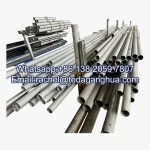
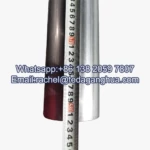
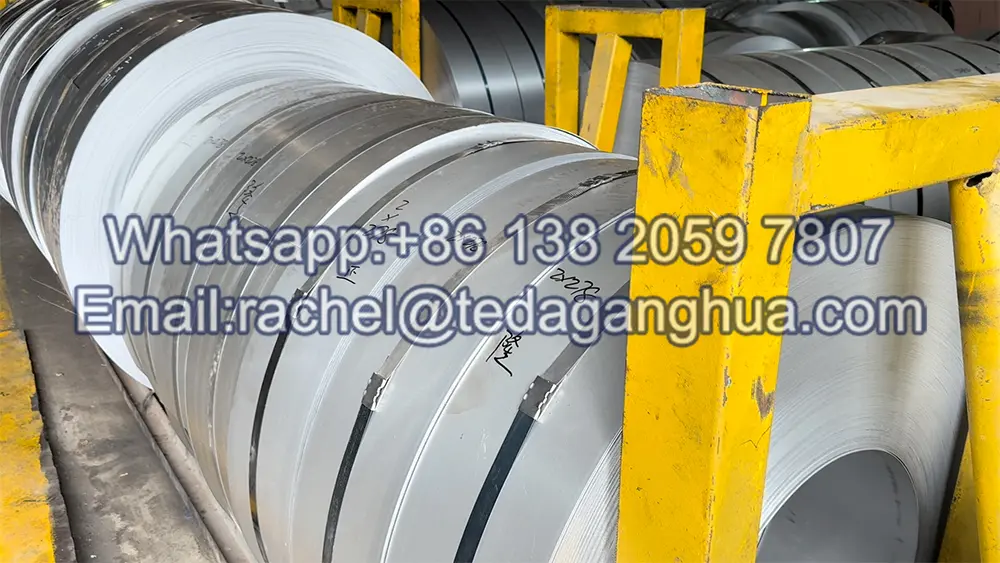
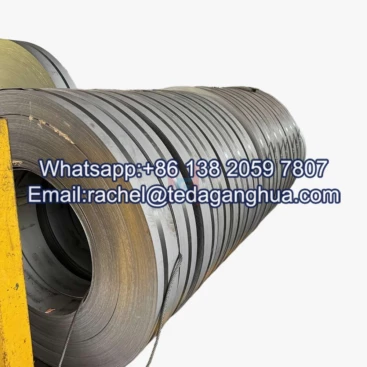
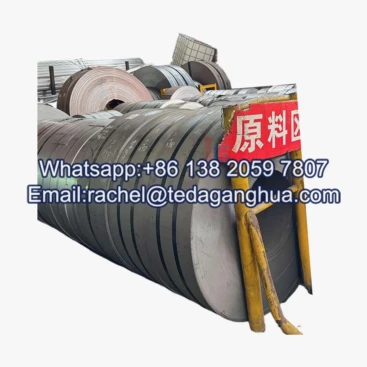
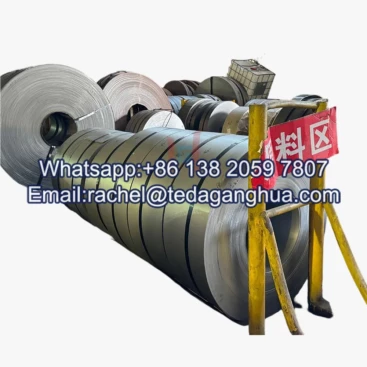
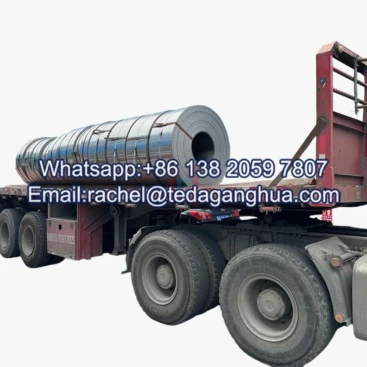
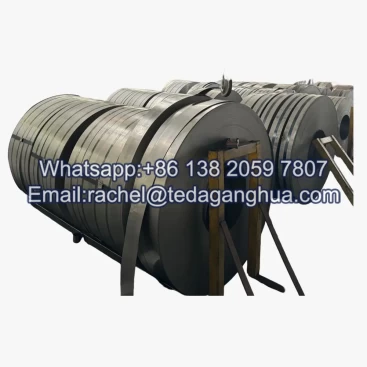
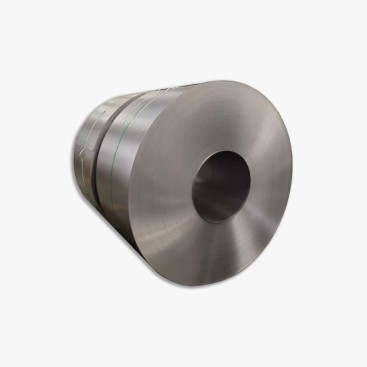
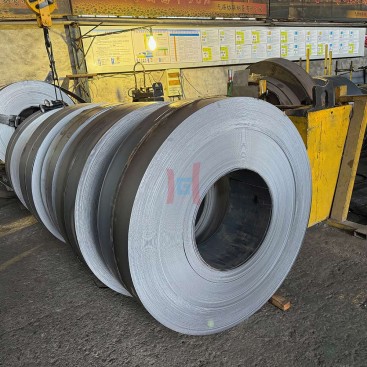
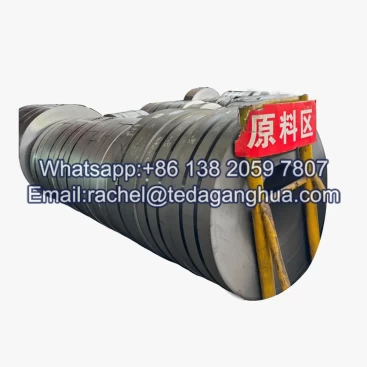
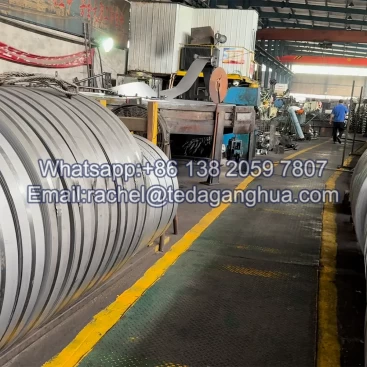
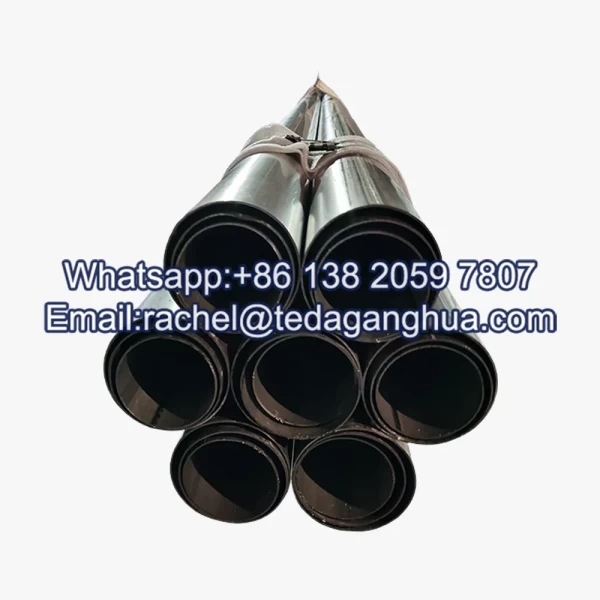
aluminized steel is a high-performance heat-resistant material based on an aluminum-silicon alloy coating.
Its key advantages include:
- Excellent high-temperature resistance
- Strong oxidation protection
- Stable coating structure
- Good forming performance
- Description
Description
Aluminum Silicon (Al–Si coating) refers to a hot-dip metallic coating used on aluminized steel, commonly known as aluminum-silicon coated steel. This material is widely used in high-temperature environments because it combines the heat resistance of aluminum with the stability of silicon.
aluminized steel is specifically designed for applications where traditional zinc coatings cannot withstand high thermal exposure.
1. What Is Aluminum-Silicon Coated Steel?
Al–Si coated steel is produced by immersing a steel substrate into a molten bath of aluminum containing a controlled amount of silicon.
- Aluminum provides oxidation resistance
- Silicon controls coating structure and improves adhesion
- Steel provides mechanical strength
The result is a metallurgically bonded protective layer rather than a simple surface coating.
2. Chemical Composition of Al–Si Coating
The coating layer typically contains:
| Element | Content (%) | Function |
|---|---|---|
| Aluminum (Al) | 88 – 92% | High-temperature oxidation resistance |
| Silicon (Si) | 8 – 12% | Controls intermetallic layer growth |
| Iron (Fe) | Trace | Diffusion from steel substrate |
👉 Silicon is critical because it prevents excessive formation of brittle Fe–Al intermetallic compounds.
3. Key Performance Characteristics
aluminized steel offers several important properties:
High Temperature Resistance
- Stable performance up to ~600–700°C
- Short-term resistance up to ~800°C
- Suitable for thermal cycling environments
Excellent Oxidation Resistance
- Aluminum forms a dense Al₂O₃ protective film
- Prevents further oxidation and scaling
- Long service life in hot environments
Strong Coating Adhesion
- Silicon improves bonding between coating and steel
- Reduces coating cracking during forming
Good Formability
- Suitable for stamping, bending, and shaping
- Maintains coating integrity under moderate deformation
4. Main Applications of Aluminum-Silicon Coated Steel
aluminized steel is widely used in industries requiring heat resistance and oxidation protection:
Automotive Industry
- Exhaust systems
- Mufflers
- Catalytic converter shells
- Heat shields
Industrial Heating Systems
- Furnace components
- Burner tubes
- Heat exchangers
- High-temperature ducts
Electrical and Mechanical Equipment
- Thermal protection panels
- Engine compartment shields
- Industrial oven parts
5. Comparison with Zinc-Coated Steel
| Property | Al–Si Coated Steel | Zinc-Coated Steel |
|---|---|---|
| Main function | Heat resistance | Corrosion protection |
| Temperature resistance | High (600–700°C) | Low (~200°C) |
| Coating material | Al + Si alloy | Zn |
| Best use | Exhaust / furnace systems | Construction / appliances |
| Oxidation resistance | Excellent | Moderate |
6. Why Silicon Is Important
Silicon plays a key engineering role in Al–Si coatings:
- Controls diffusion between steel and aluminum
- Reduces brittle intermetallic layer growth
- Improves coating stability under heat
- Enhances forming performance
Without silicon, the coating would become too brittle for industrial use.