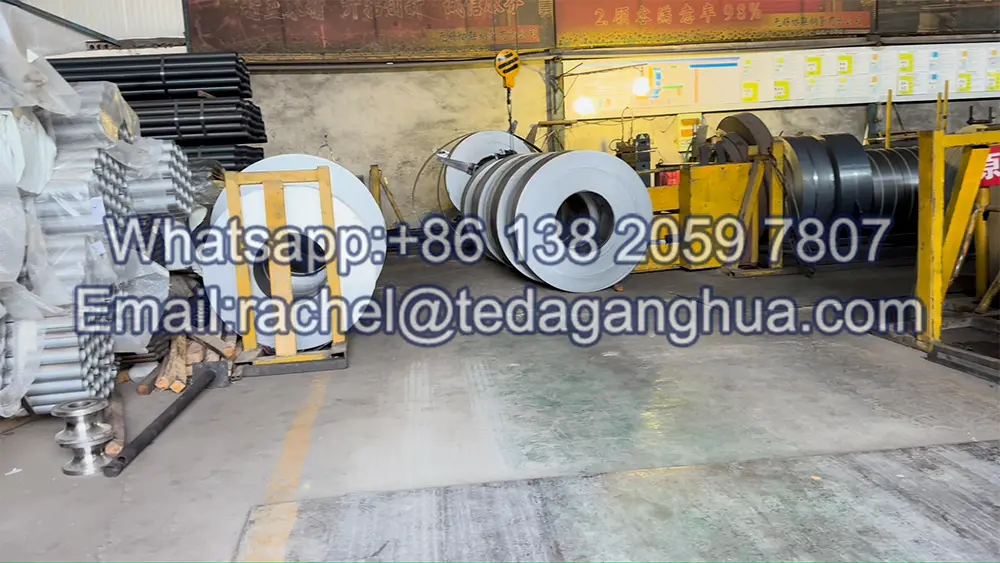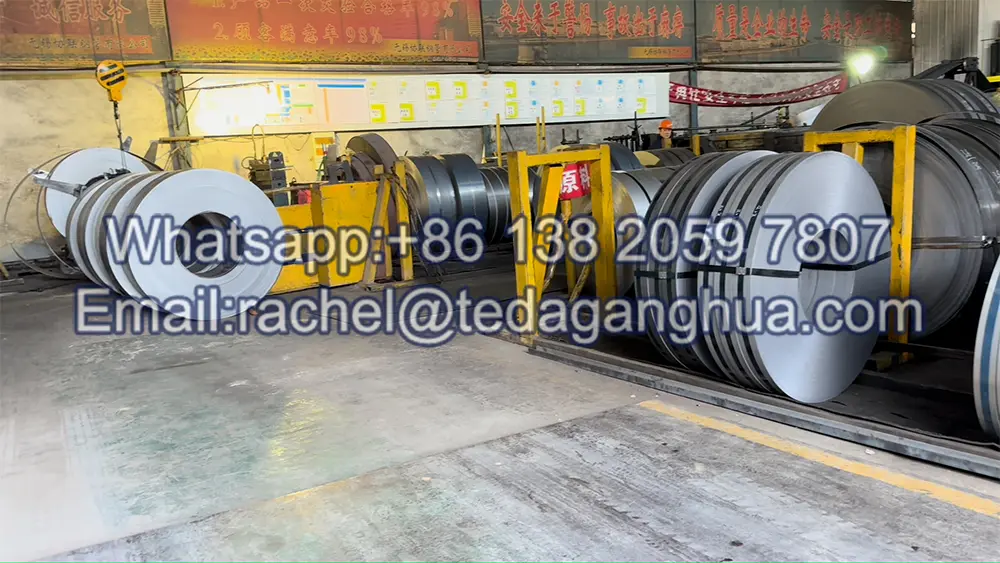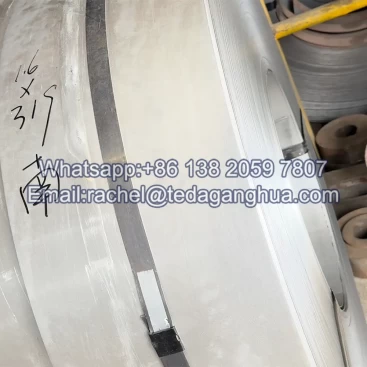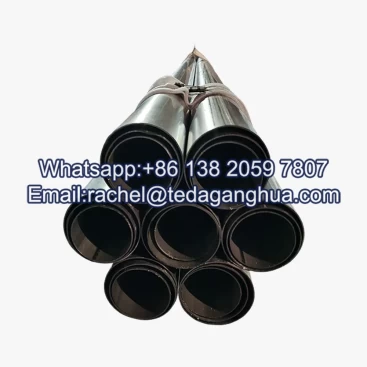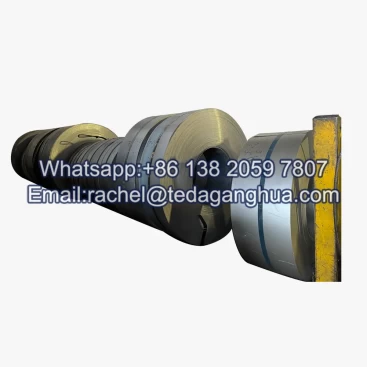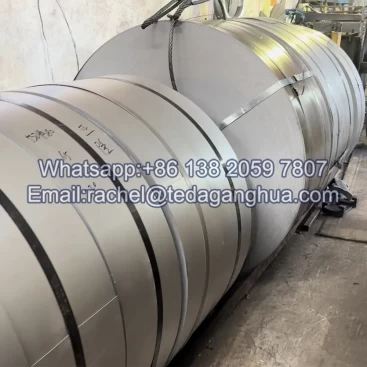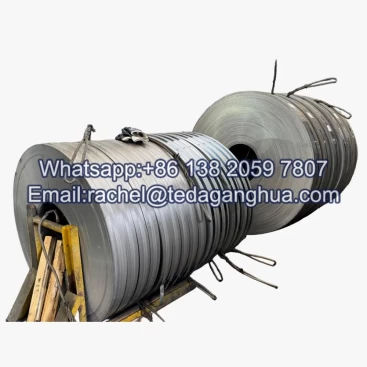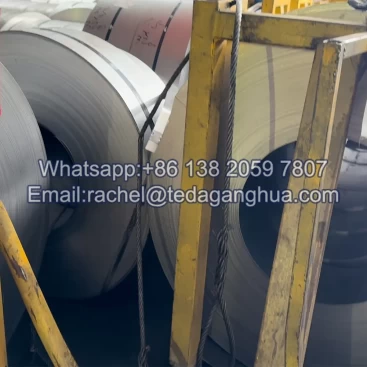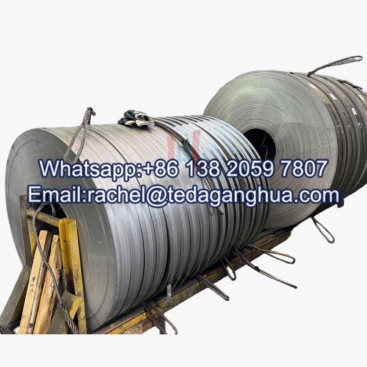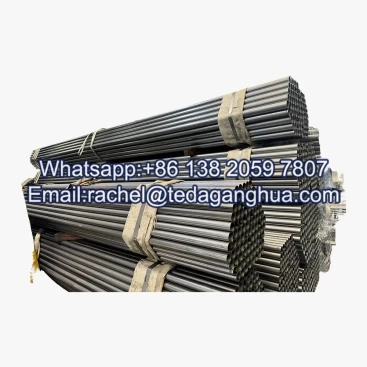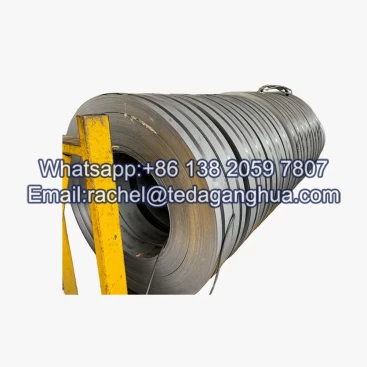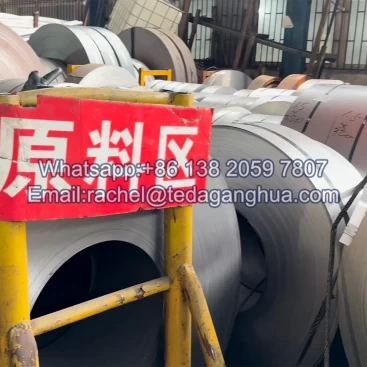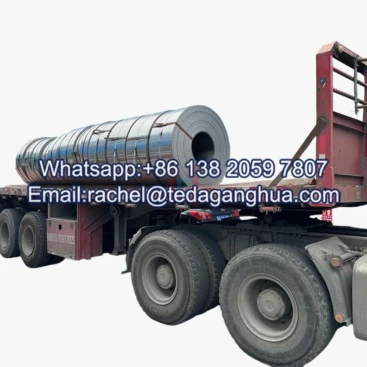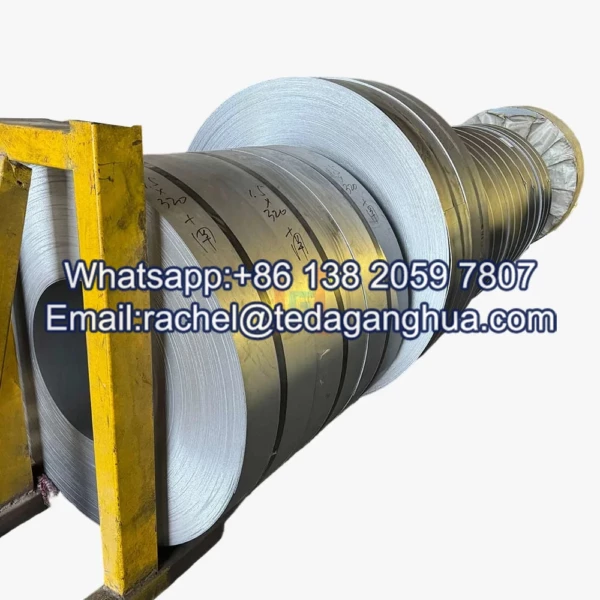
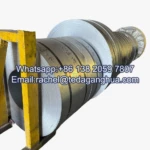
Aluminized Carbon Steel
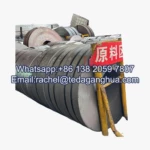
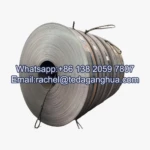
Aluminized Carbon Steel combines the structural strength of carbon steel with the protective benefits of an aluminum-silicon coating. Its excellent heat resistance, oxidation resistance, corrosion protection, and thermal reflectivity make it an ideal material for applications that operate in elevated-temperature environments while requiring long-term durability.
- Description
Description
Aluminized Carbon Steel is a carbon steel substrate coated with an aluminum-silicon alloy through a continuous hot-dip process. The coating combines the strength and formability of carbon steel with the excellent heat resistance and corrosion protection of aluminum. Because of its unique properties, this material is widely used in automotive exhaust systems, industrial heating equipment, and high-temperature structural components.
Chemical Composition
The performance of aluminized carbon steel is mainly determined by the aluminum-silicon coating and the carbon steel base material.
Typical Coating Composition
| Element | Content (%) |
|---|---|
| Aluminum (Al) | 89–95 |
| Silicon (Si) | 5–11 |
| Iron (Fe) | Balance |
Silicon improves the adhesion between the coating and the steel substrate while reducing brittleness during forming and welding operations.
Typical Base Steel Composition
| Element | Content (%) |
| Carbon (C) | ≤0.25 |
| Manganese (Mn) | 0.30–1.50 |
| Phosphorus (P) | ≤0.04 |
| Sulfur (S) | ≤0.05 |
| Iron (Fe) | Balance |
The exact composition may vary depending on the steel grade and application requirements.
Mechanical Properties
| Property | Typical Value |
| Yield Strength | 140–300 MPa |
| Tensile Strength | 270–450 MPa |
| Elongation | 20–40% |
| Hardness | 55–85 HRB |
These properties provide a good balance between strength, ductility, and manufacturability.
Key Performance Characteristics
Excellent Heat Resistance
The aluminum-rich coating forms a stable oxide layer that protects the steel surface from scaling and oxidation. Continuous service temperatures can exceed those of galvanized steel, making the material suitable for exhaust and thermal applications.
Superior Oxidation Resistance
When exposed to elevated temperatures, the coating develops a dense aluminum oxide film that slows metal degradation and extends service life.
Good Corrosion Protection
The aluminum coating acts as a barrier against moisture and atmospheric contaminants. Compared with ordinary carbon steel, corrosion resistance is significantly improved.
High Thermal Reflectivity
The bright aluminum surface reflects radiant heat effectively, reducing heat absorption and improving thermal efficiency in industrial equipment.
Excellent Formability
Aluminized carbon steel can be stamped, bent, rolled, and fabricated using conventional processing methods while maintaining coating integrity.
Performance Comparison
| Property | Aluminized Carbon Steel | Galvanized Steel |
| Coating Material | Aluminum-Silicon | Zinc |
| Heat Resistance | Excellent | Moderate |
| Oxidation Resistance | Excellent | Good |
| Thermal Reflectivity | High | Medium |
| Corrosion Resistance | Very Good | Good |
| High-Temperature Applications | Suitable | Limited |
Common Industrial Applications
- Automotive exhaust pipes and mufflers
- Heat shields
- Industrial ovens and furnaces
- Gas heating equipment
- Chimneys and flue systems
- Thermal insulation panels
- Industrial drying equipment
- Heat exchangers
- Ventilation systems