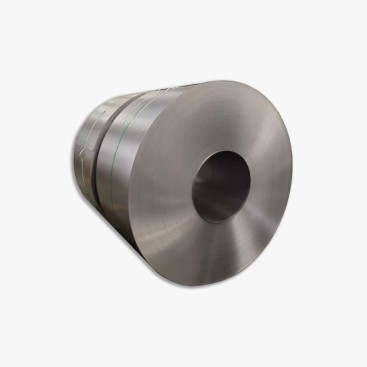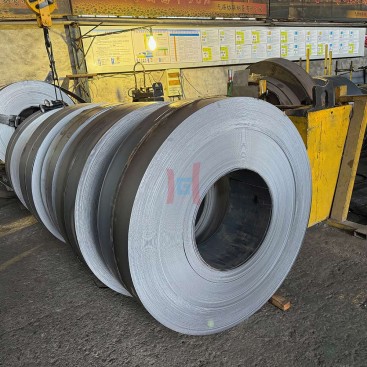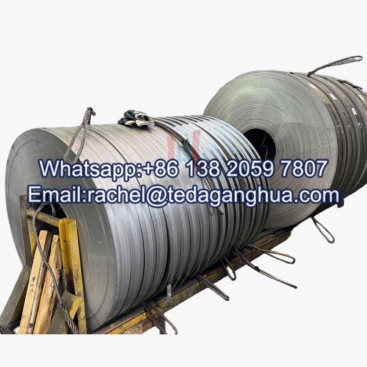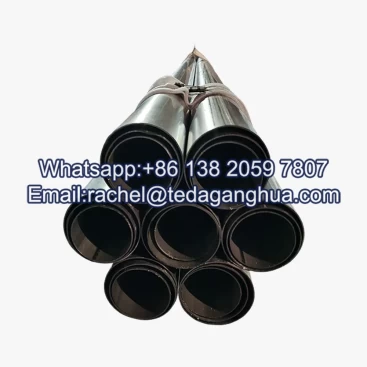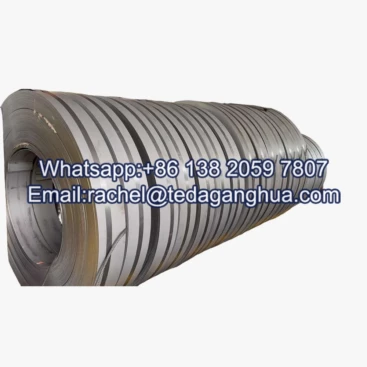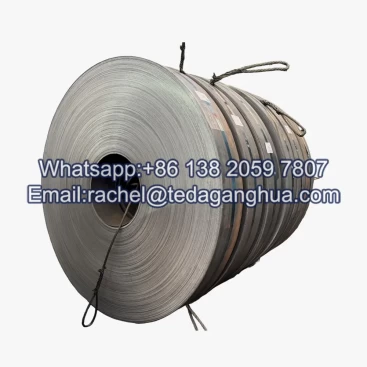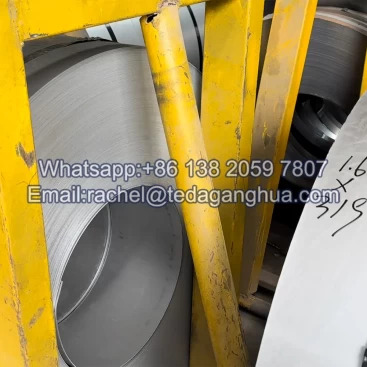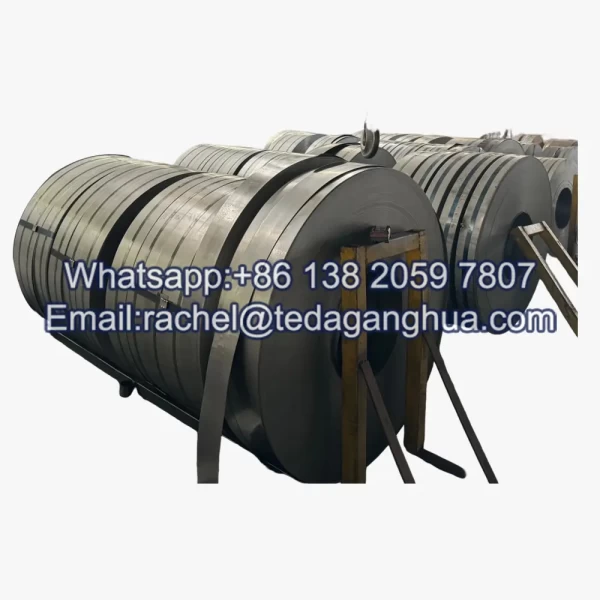
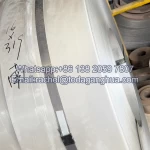
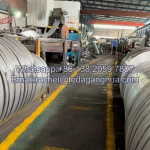
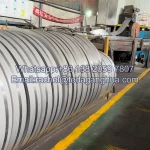
Aluminized Steel Sheet
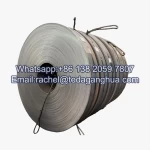
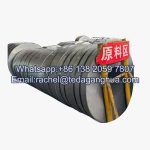
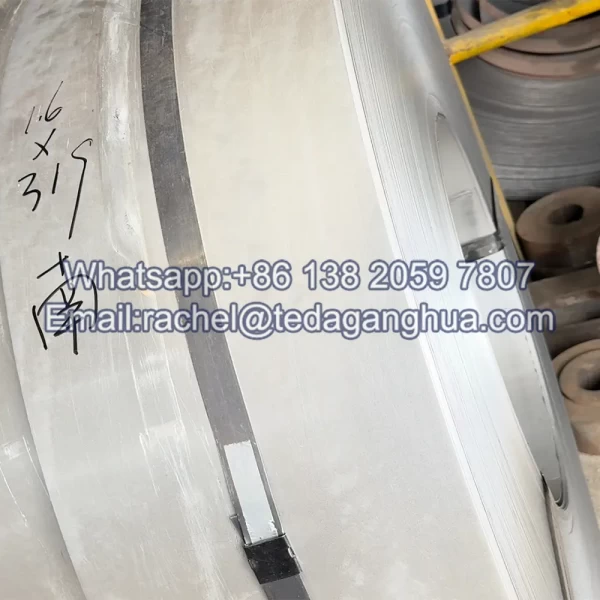
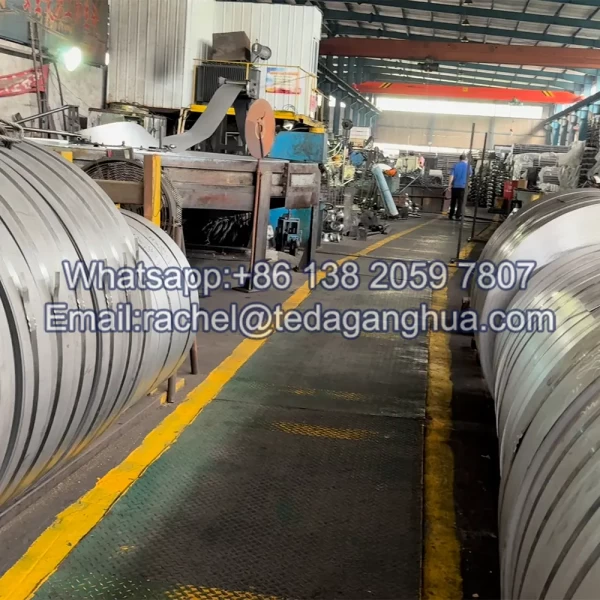
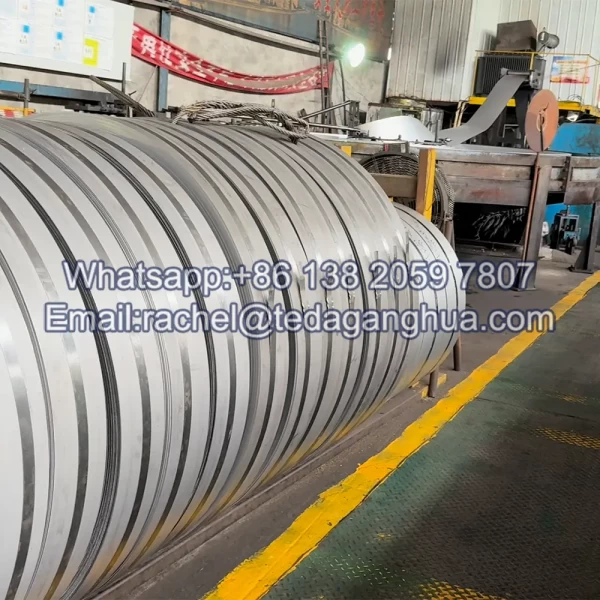
Both hot-dip aluminized steel and diffusion aluminized steel offer excellent protection through aluminum-based layers, but they are engineered for different industrial environments. Hot-dip aluminized steel sheet is suited for high-volume manufacturing, automotive parts, household appliances, and construction materials. Diffusion aluminized steel is designed for extremely harsh, high-temperature applications such as turbines, boilers, and petrochemical processing equipment.
- Description
Description
Aluminized steel sheet is a steel material enhanced by an aluminum-based protective layer, offering excellent corrosion resistance, heat reflectivity, and durability. However, aluminized materials are produced using different technologies. The two most common categories are:
Hot-dip aluminized steel (Hot-Dip Al coating)
Diffusion aluminized steel (Aluminizing / Diffusion-Coated Steel)
Although both use aluminum, the manufacturing process, coating structure, performance, and applications are fundamentally different.
1. Hot-Dip Aluminized Steel Sheet
Production Process
Hot-dip aluminized steel is produced by immersing steel into a bath of molten aluminum or aluminum–silicon alloy. During this process, the aluminum coating bonds to the steel surface through metallurgical reaction and adhesion.
Coating Characteristics
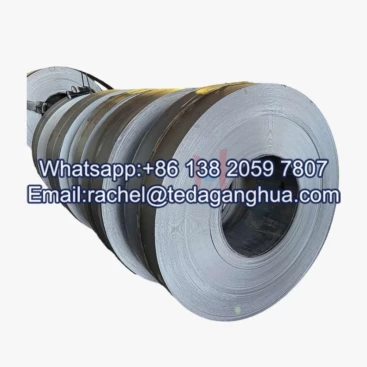
A visible external aluminum coating remains on the surface
The coating is uniform and metallic-bright
Reflective, smooth, and aesthetically clean surface
Provides strong atmospheric corrosion resistance and high thermal reflectivity
Performance
Very good corrosion resistance
Good high-temperature oxidation resistance
Excellent formability, bendability, and weldability
Suitable for continuous large-scale production
Typical Applications
Automotive exhaust components
Oven and furnace panels
Chimney and flue pipes
HVAC systems and ventilation ducts
Water heaters and household appliances
2. Diffusion Aluminized Steel (Aluminizing / Diffusion-Coated Steel)
Production Process
Diffusion aluminized steel is created through a high-temperature aluminizing process. Aluminum atoms penetrate into the steel surface, forming a dense Fe–Al intermetallic layer. Common methods include:
Pack aluminizing
Vapor aluminizing
Slurry aluminizing
CVD aluminizing
Coating Characteristics
No separate aluminum layer; instead, a diffusion alloy layer forms inside the steel
Surface appearance is matte, gray, and metallic
Coating is thinner but extremely bonded and heat-stable
Superior resistance against scaling and hot corrosion
Performance
Outstanding high-temperature oxidation resistance
Excellent performance under extreme thermal cycling
Exceptional resistance to chemical or hot corrosion environments
Reduced formability due to a harder, intermetallic surface layer
Typical Applications
Gas turbine components
Petrochemical furnace tubes
Boiler tubes and superheater parts
Industrial burners
High-temperature reactor systems
3. Key Differences Between Hot-Dip Aluminized Steel and Diffusion Aluminized Steel
| Category | Hot-Dip Aluminized Steel Sheet | Diffusion Aluminized Steel |
|---|---|---|
| Production Method | Immersion in molten aluminum | High-temperature aluminum diffusion |
| Coating Structure | External aluminum or Al-Si coating | Fe–Al intermetallic diffusion layer |
| Appearance | Bright, shiny, reflective | Matte gray, alloy-like |
| Coating Thickness | Thicker surface coating | Thin but extremely dense |
| Heat Resistance | Good (400–800°C depending on grade) | Excellent (can exceed 1000°C) |
| Corrosion Resistance | Strong atmospheric and oxidation resistance | Exceptional hot-corrosion resistance |
| Formability | Very good, easy to bend and form | Limited; surface is harder |
| Cost & Production Scalability | Lower cost, high-volume manufacturing | Higher cost, specialized use |
| Typical Applications | Exhaust parts, heaters, appliances, ducts, building materials | Turbines, furnace tubes, boilers, petrochemical systems |
4. Selection Guide
Choose Hot-Dip Aluminized Steel Sheet when:
You need strong corrosion resistance
The working temperature is moderate to high
Forming, bending, or stamping is required
Components are produced in large volumes
Applications include exhaust systems, appliances, chimneys, ducts, or building panels
Choose Diffusion Aluminized Steel when:
Operating conditions involve extreme temperatures
Severe oxidation, scaling, or hot corrosion is expected
The part is used in turbines, high-temperature furnaces, or reactors
Long-term surface stability is a critical requirement