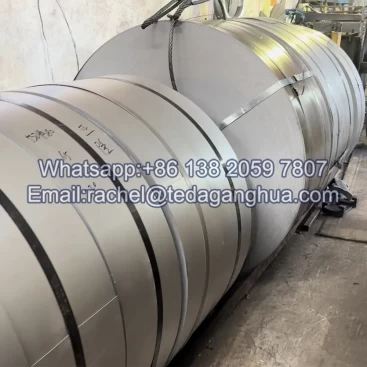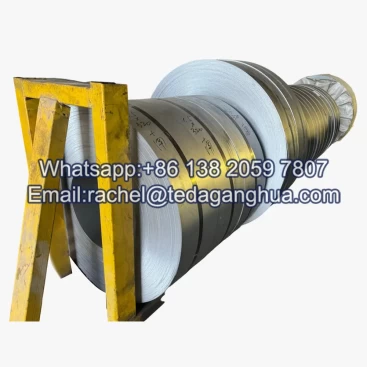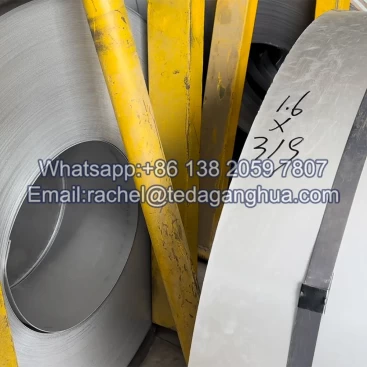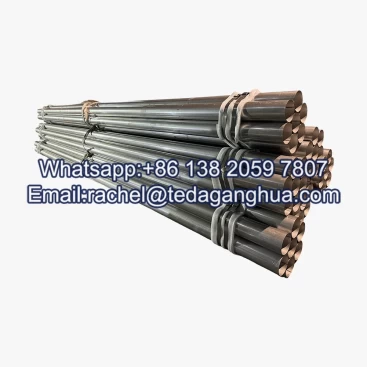
Al-Si Coated Steel
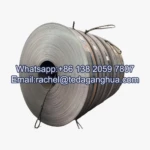
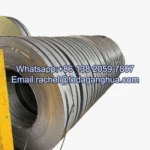
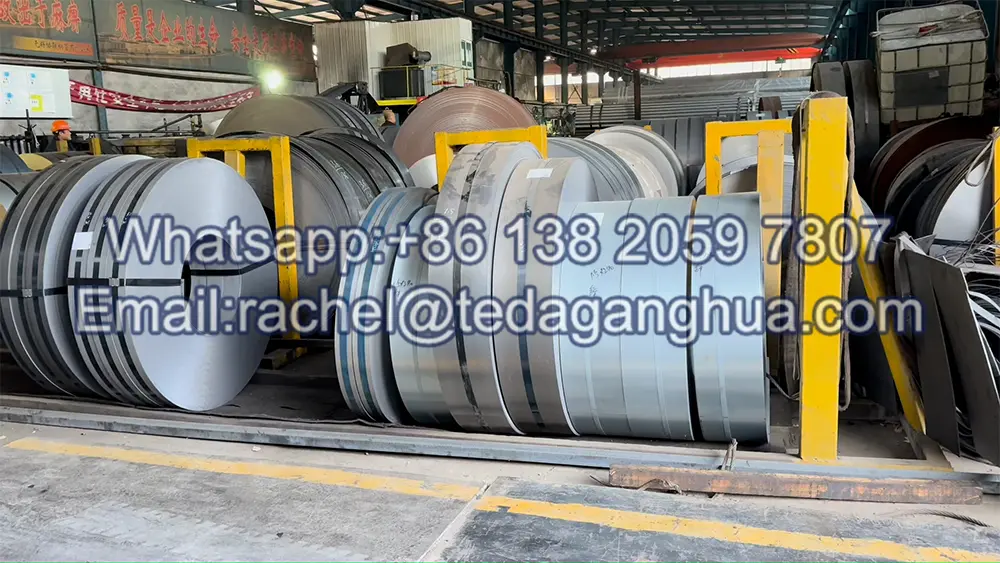
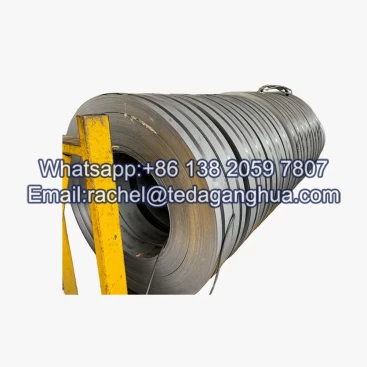
Al-Si Coated Steel combines the strength of carbon steel with the protective advantages of an aluminum-silicon coating. Its excellent heat resistance, oxidation resistance, corrosion protection, and thermal reflectivity make it an ideal material for automotive exhaust systems, industrial heating equipment, HVAC systems, construction products, and energy applications. These performance benefits help improve durability, reduce maintenance costs, and extend component service life.
- Description
Description
Al-Si Coated Steel is a carbon steel product protected by a hot-dip aluminum-silicon coating. The coating typically contains approximately 90% aluminum and 10% silicon, providing excellent heat resistance, oxidation resistance, and corrosion protection. Because of these advantages, it is widely used in automotive, industrial, construction, and energy-related applications.
Typical Coating Composition
| Element | Content (%) |
|---|---|
| Aluminum (Al) | 89–95 |
| Silicon (Si) | 5–11 |
| Iron (Fe) | Balance |
The aluminum layer forms a protective oxide film, while silicon improves coating adhesion and controls the growth of the intermetallic layer between the coating and steel substrate.
Key Performance Characteristics
Excellent Heat Resistance
One of the most important advantages of Al-Si coated steel is its ability to maintain performance at elevated temperatures. The aluminum-rich coating resists scaling and oxidation much better than conventional carbon steel.
Outstanding Oxidation Resistance
When exposed to heat and air, the surface develops a dense aluminum oxide layer that slows oxidation and extends service life in demanding environments.
Superior Corrosion Protection
The coating acts as a barrier against moisture and corrosive atmospheres. Compared with uncoated steel, service life can be significantly increased in outdoor and industrial environments.
High Thermal Reflectivity
The bright metallic surface reflects radiant heat efficiently, making the material suitable for thermal management applications.
Good Formability
The material can be stamped, bent, rolled, and fabricated while maintaining coating integrity. This allows manufacturers to produce complex parts without sacrificing protection.
Performance Benefits in Different Applications
| Performance Requirement | Benefit of Al-Si Coating |
| High Temperature Exposure | Excellent oxidation resistance |
| Humid Environment | Improved corrosion protection |
| Thermal Insulation | High heat reflectivity |
| Complex Forming | Good ductility and adhesion |
| Long Service Life | Reduced maintenance requirements |
Main Applications
Automotive Industry
The automotive sector is one of the largest users of Al-Si coated steel because many components operate under high-temperature conditions.
Common applications include:
- Exhaust pipes
- Mufflers
- Catalytic converter shells
- Heat shields
- Engine compartment components
Industrial Heating Equipment
Industrial systems require materials capable of resisting heat and oxidation over long periods.
Typical applications include:
- Industrial furnaces
- Drying equipment
- Heat exchangers
- Combustion chambers
- Thermal processing equipment
HVAC Systems
The material’s corrosion resistance and heat-reflective properties make it suitable for heating and ventilation equipment.
Applications include:
- Ventilation ducts
- Heating units
- Air distribution systems
- Industrial exhaust systems
Construction Industry
In building applications, the coating helps improve durability and weather resistance.
Common uses include:
- Roofing panels
- Wall cladding
- Structural covers
- Equipment enclosures
Energy and Environmental Equipment
Many energy-related systems operate under elevated temperatures and corrosive conditions.
Examples include:
- Biomass heating equipment
- Solar thermal components
- Power generation systems
- Emission control equipment
Comparison with Conventional Carbon Steel
| Property | Al-Si Coated Steel | Carbon Steel |
| Corrosion Resistance | Excellent | Low |
| Heat Resistance | Excellent | Moderate |
| Oxidation Resistance | Excellent | Low |
| Thermal Reflectivity | High | Low |
| Service Life | Long | Shorter |
| Maintenance Requirement | Lower | Higher |