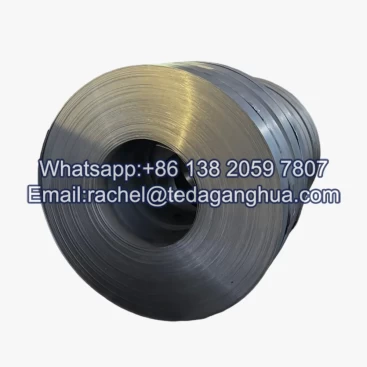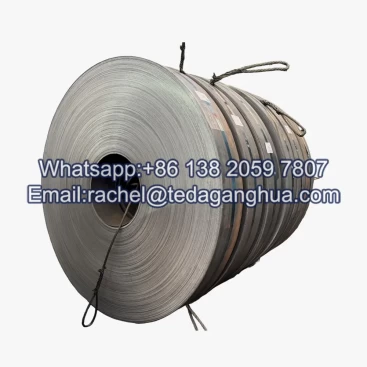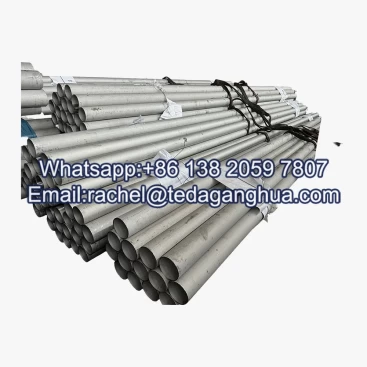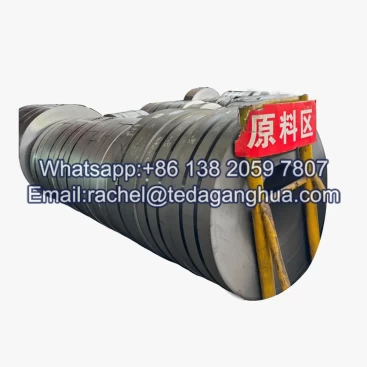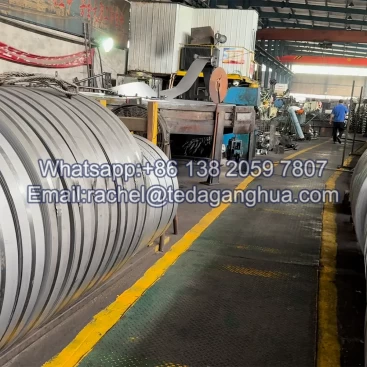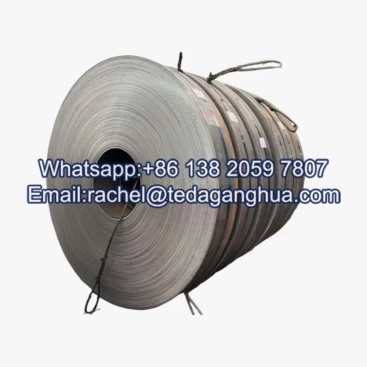
Aluminium Silicon Alloy
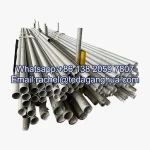
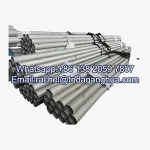
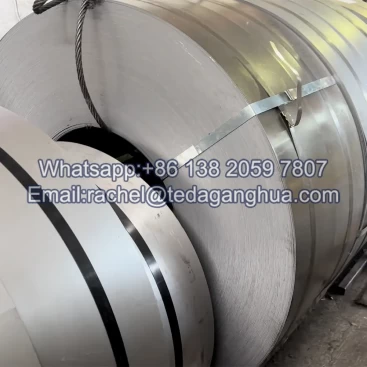
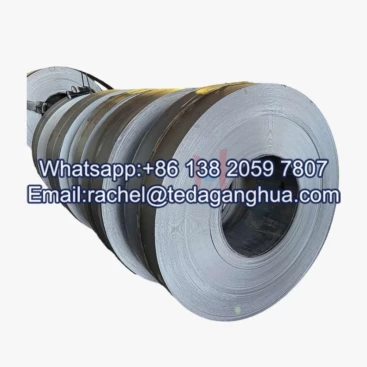
Aluminium Silicon Alloy coating (Al–Si coating) is the core technology behind aluminized steel. It is not simply “aluminum plated steel”, but a metallurgically bonded aluminum-silicon alloy layer on steel.
Its key advantages include:
- High-temperature resistance
- Strong oxidation protection
- Stable coating structure
- Good formability and processing performance
- Long service life in thermal environments
- Description
Description
Aluminium Silicon Alloy (Al–Si coating) refers to the protective metallic coating used on aluminized steel, which is widely known in industry as aluminum-silicon coated steel. In many engineering applications, this material is often simply called aluminized steel, but its correct technical description is hot-dip aluminum-silicon coated steel.
This coating system is designed to improve heat resistance, oxidation resistance, and long-term durability in high-temperature environments such as automotive exhaust systems, furnace components, and industrial heat exchange equipment.
1. What Is Aluminium-Silicon Coated Steel?
aluminized steel is produced by immersing carbon steel into a molten bath of aluminum containing a controlled amount of silicon.
The silicon element plays a key role in stabilizing the coating layer and improving adhesion between the aluminum coating and the steel substrate.
2. Chemical Composition of Aluminium-Silicon Coating
The coating is not pure aluminum; it is a controlled alloy system.
Typical Al–Si coating composition:
| Element | Content (%) | Function |
|---|---|---|
| Aluminum (Al) | 88 – 92% | Main protective layer |
| Silicon (Si) | 8 – 12% | Improves adhesion & controls intermetallic layer |
| Trace Fe | < 1% | Diffusion from steel substrate |
The silicon content is critical because it controls the formation of brittle iron–aluminum intermetallic compounds during hot-dip coating.
3. Steel Substrate Composition
The base material of aluminized steel is usually low-carbon steel:
| Element | Typical Content |
|---|---|
| Carbon (C) | ≤ 0.15% |
| Manganese (Mn) | 0.2 – 0.6% |
| Silicon (Si) | ≤ 0.3% |
| Iron (Fe) | Balance |
This allows good formability before coating and stable mechanical performance after processing.
4. Coating Structure and Metallurgical Layers
The Al–Si coating is not a simple surface layer. It forms multiple metallurgical zones:
- Outer aluminum-rich layer
- Aluminum-silicon matrix layer
- Iron-aluminum intermetallic diffusion layer
- Steel substrate
The intermetallic layer provides strong bonding but must be controlled to avoid brittleness.
5. Key Performance Characteristics
Excellent High-Temperature Resistance
The coating maintains stability at elevated temperatures, typically:
- Continuous service: up to ~600–700°C
- Short-term exposure: up to ~800°C
This makes it suitable for exhaust and furnace systems.
Strong Oxidation Resistance
At high temperature, aluminum forms a dense Al₂O₃ oxide film, which:
- Prevents further oxidation
- Reduces scaling
- Extends service life
Good Thermal Reflectivity
The aluminum surface reflects heat radiation effectively, improving thermal efficiency in heat shielding applications.
Controlled Coating Diffusion
Silicon helps control diffusion between aluminum and steel, preventing excessive brittle intermetallic growth.
6. Mechanical and Processing Properties
aluminized steel retains the mechanical properties of the steel substrate:
- Good formability before coating
- Stable bending and stamping performance
- Weldable with coating removal near joints
- Compatible with laser cutting, shearing, and forming
However, during welding:
- Coating must be removed near weld zones
- Aluminum vapor can affect arc stability
- Proper ventilation is required due to fumes
7. Comparison with Galvanized Steel
| Property | Al–Si Coated Steel | Galvanized Steel (Zn) |
|---|---|---|
| Main coating | Aluminum + Silicon | Zinc |
| Heat resistance | High (up to 700°C) | Low (~200°C) |
| Oxidation resistance | Excellent | Moderate |
| Corrosion protection | Good at high temp | Good at room temp |
| Typical use | Exhaust, furnace parts | Construction, roofing |
8. Common Applications
aluminized steel is widely used in:
- Automotive exhaust systems
- Mufflers and catalytic converter shells
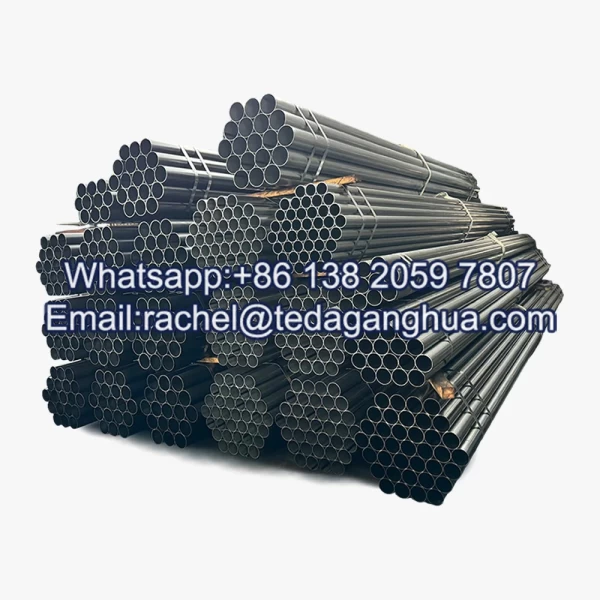
- Industrial furnace tubes
- Heat shields
- Oven and boiler components
- High-temperature ducting systems
- Thermal protection panels