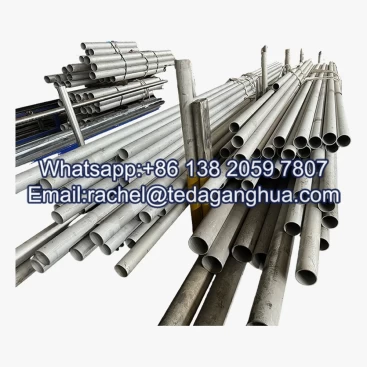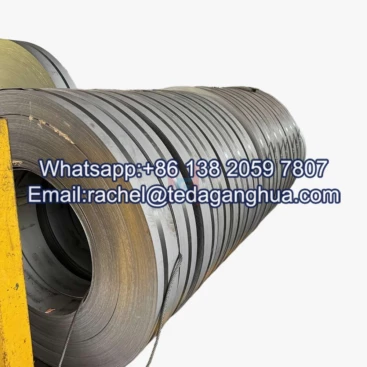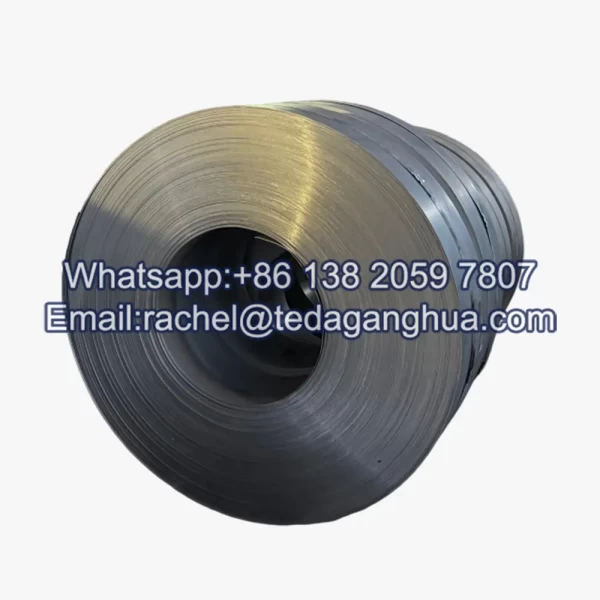
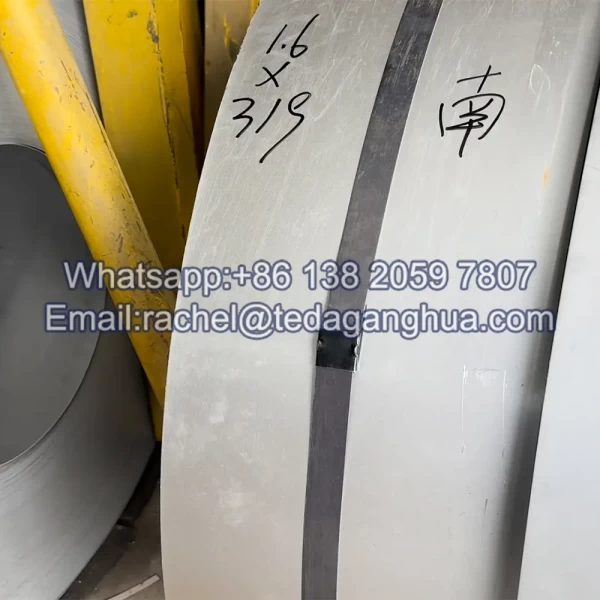
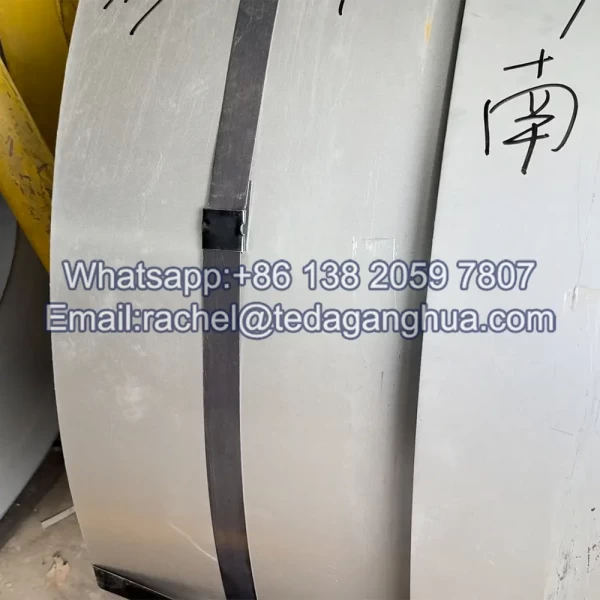
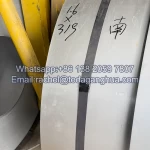
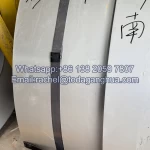
Aluminised Steel
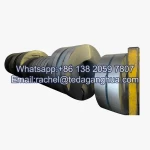
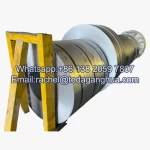
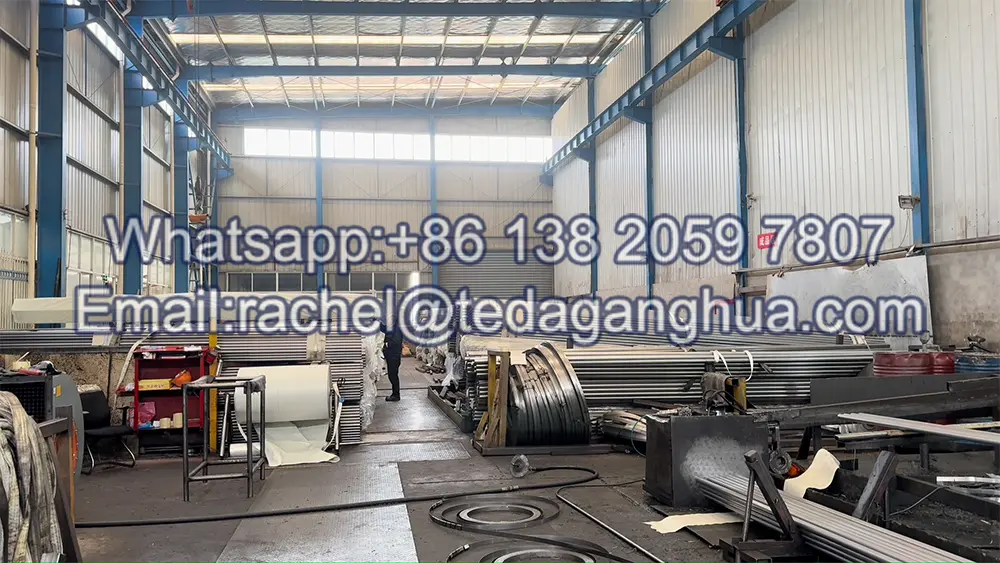
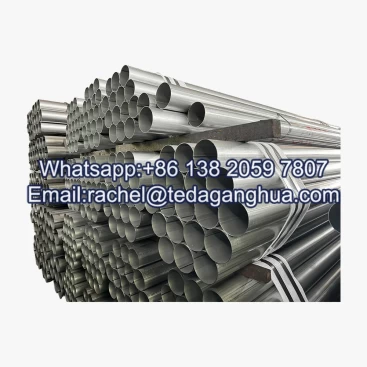
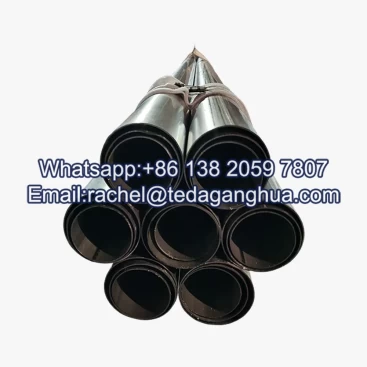
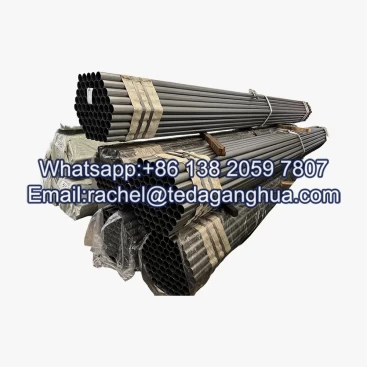
The aluminized steel pipe manufacturing process involves careful steel preparation, aluminum coating, forming, welding, and quality control. The result is a durable, heat-resistant, corrosion-resistant steel pipe suitable for automotive, industrial, HVAC, and household applications.
- Description
Description
Aluminized steel is steel coated with aluminum or aluminum–silicon alloy, combining the mechanical strength of steel with corrosion resistance, heat resistance, and oxidation protection. This makes it ideal for manufacturing steel pipes used in high-temperature, industrial, automotive, and household applications.
1. Raw Material Selection
Base Steel: Typically low-carbon or mild steel, chosen for ductility and strength.
Aluminum Coating: Either pure aluminum (Type 2) for corrosion resistance or aluminum–silicon alloy (Type 1) for heat resistance.
Thickness & Gauge: Commonly selected according to pipe application, typically 0.5–3 mm for industrial and automotive pipes.
2. Surface Preparation
Before aluminizing, the steel surface must be properly cleaned:
Degreasing: Removes oils and lubricants from steel surface.
Pickling: Removes rust, scale, and impurities using mild acid.
Rinsing & Drying: Ensures a clean, dry surface for coating adhesion.
Proper surface preparation ensures uniform aluminum bonding and long-term corrosion resistance.
3. Aluminizing Coating Process
Two common aluminizing methods are used before pipe forming:
a. Hot-Dip Aluminizing
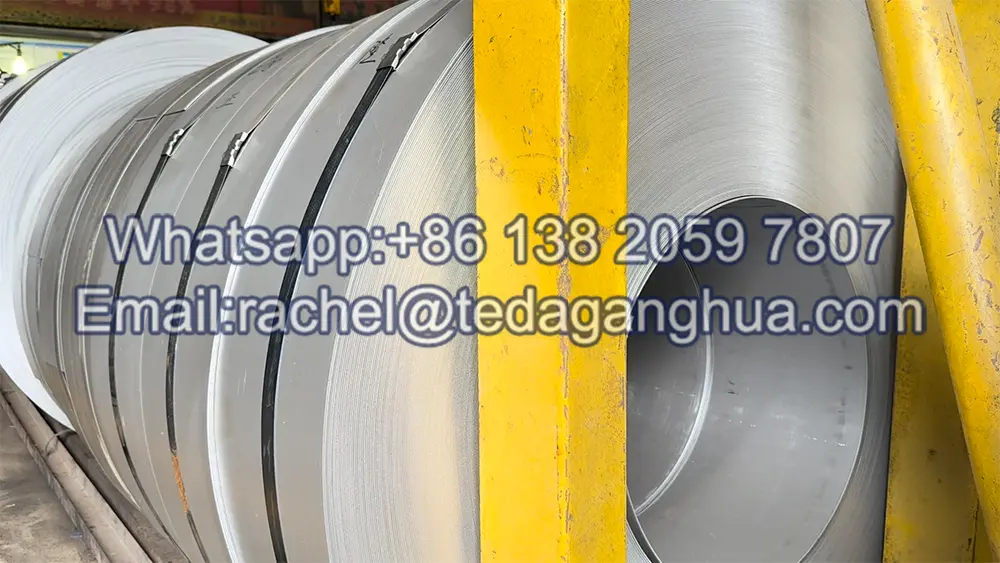
Steel sheets or strips are dipped in molten aluminum or aluminum–silicon alloy.
Forms a metallurgical bond between steel and aluminum.
Provides a smooth, reflective coating.
Suitable for pipes requiring heat and oxidation resistance.
b. Continuous Aluminizing
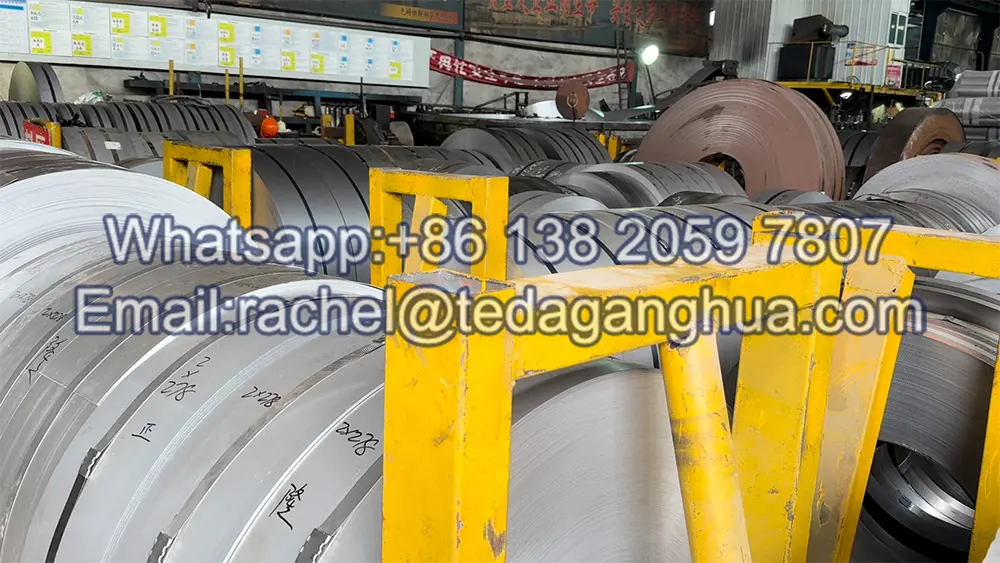
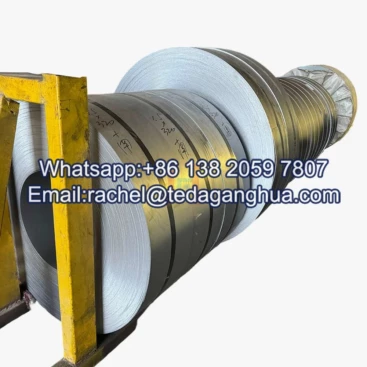
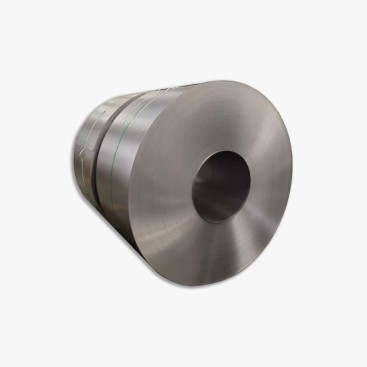
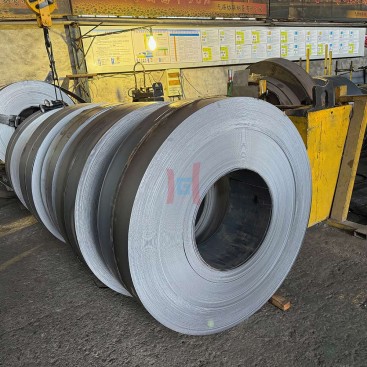
Steel coils pass through a continuous molten aluminum bath.
Coating thickness and alloy composition are precisely controlled.
Ideal for high-volume production of pre-coated steel strips for pipe manufacturing.
4. Pipe Forming Process
Once aluminized steel sheets or coils are ready, they are formed into pipes:
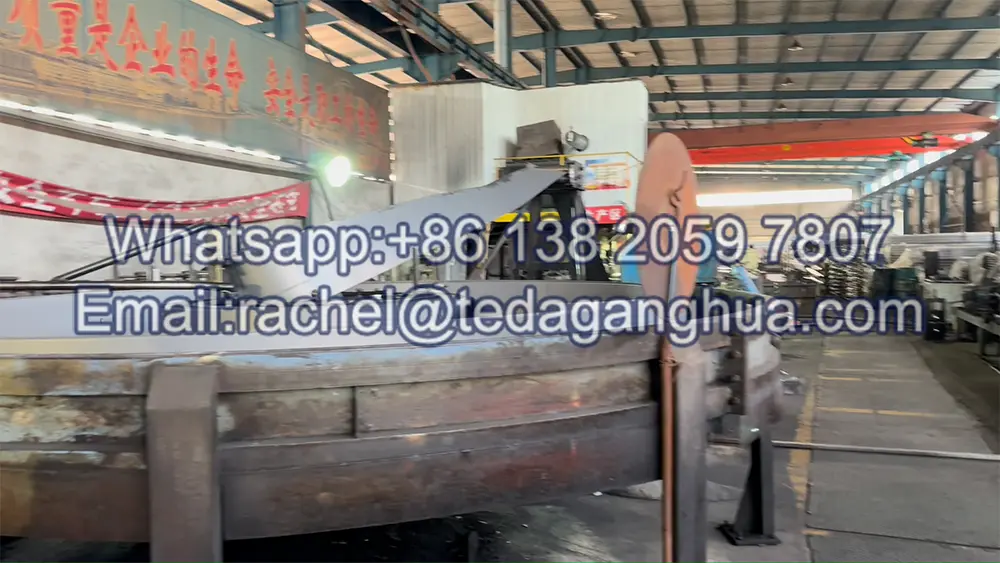
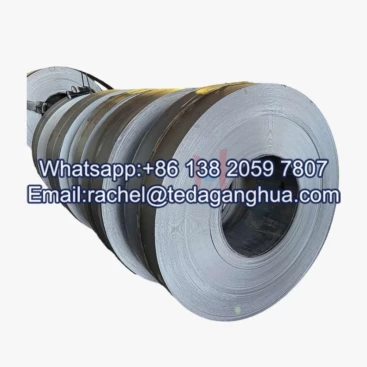
Cutting/Slitting: Aluminum-coated steel is cut to required width.
Forming:
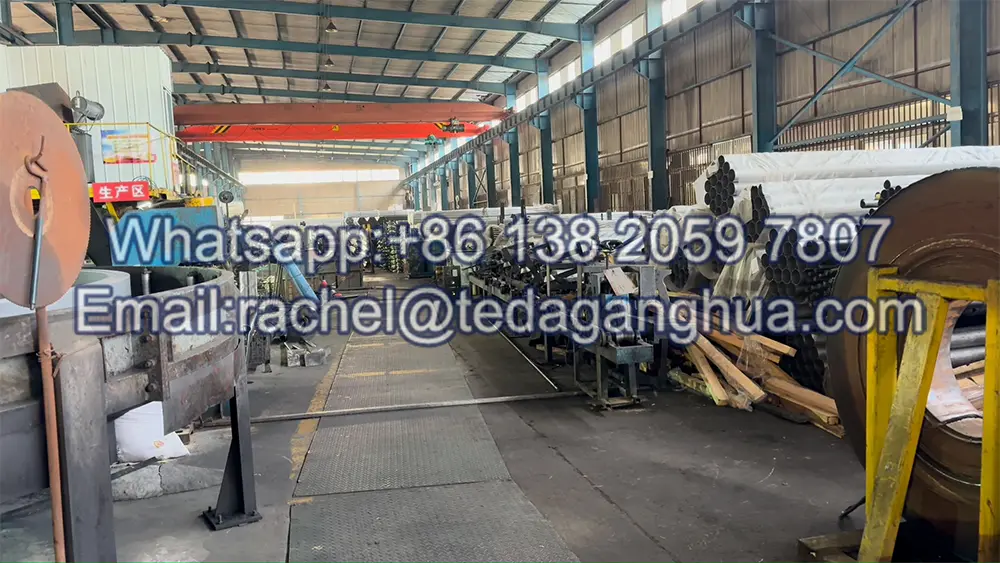
ERW (Electric Resistance Welding): Steel sheet is formed into a cylinder and welded longitudinally.
Seamless Pipe Rolling (optional): For high-strength pipes, steel is rolled and then aluminized post-forming.
Welding: Seam is welded (if ERW) and inspected to ensure integrity.
Sizing & Straightening: Pipes are sized to standard diameters and straightened.
Surface Treatment: Optional passivation or protective coatings to prevent minor surface oxidation.
5. Quality Control
Coating Thickness Check: Ensures adequate aluminum protection.
Visual Inspection: No blisters, peeling, or irregularities.
Mechanical Testing: Strength, elongation, and hardness tested for compliance.
Weld Integrity: Seam welds tested for leaks and mechanical strength.
6. Common Applications of Aluminized Steel Pipes
Automotive Exhaust Systems – mufflers, tailpipes, catalytic converter tubing
Industrial Heating Ducts – furnace flues, oven ducts
HVAC Piping – ventilation and heating systems
Plumbing and Water Heating – corrosion-resistant water pipes
Agricultural & Chemical Transport – pipes exposed to moisture or mild chemicals
7. Advantages of Aluminized Steel Pipes
High heat and oxidation resistance for industrial or automotive applications
Long service life in corrosive environments
Strong, formable steel core allows precise shaping
Cost-effective alternative to stainless steel in moderate-temperature applications