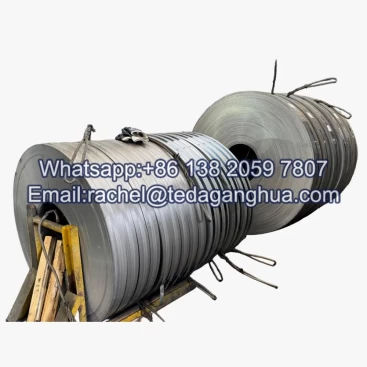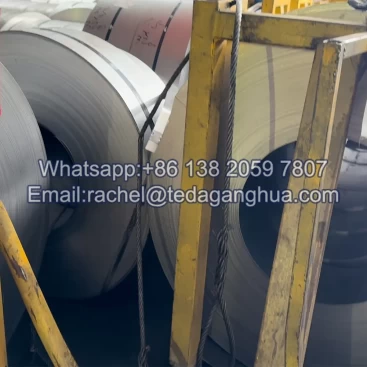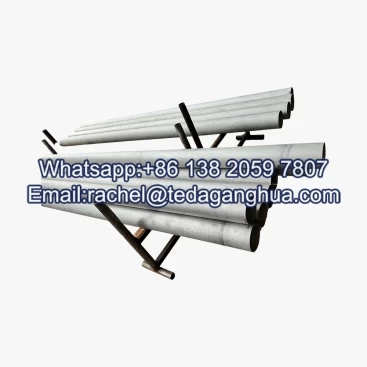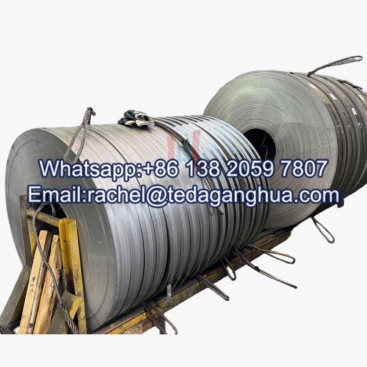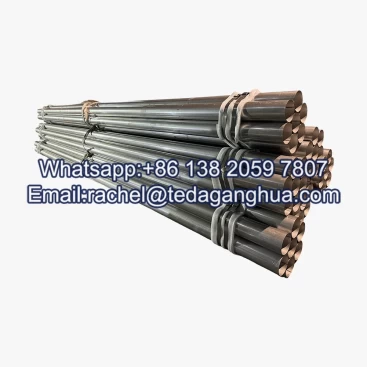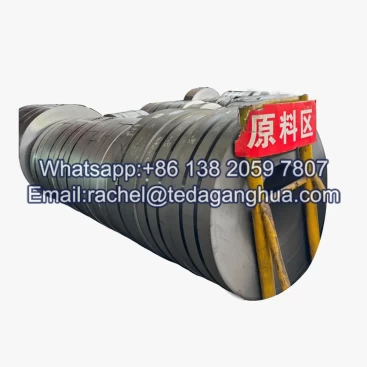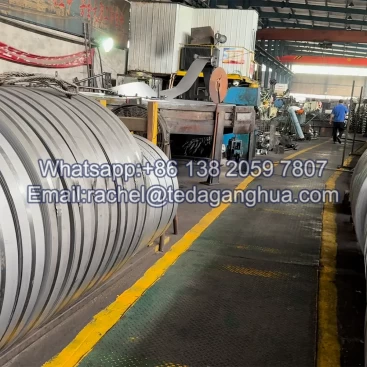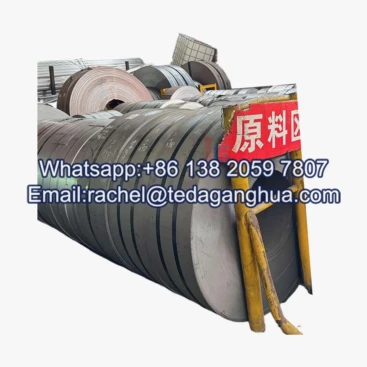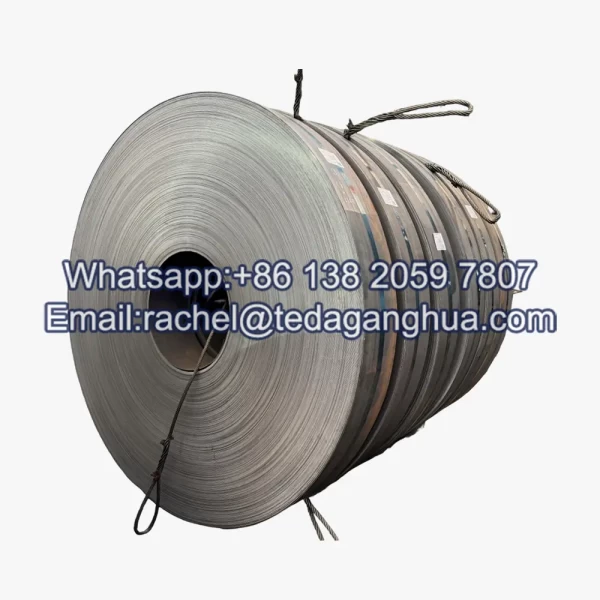
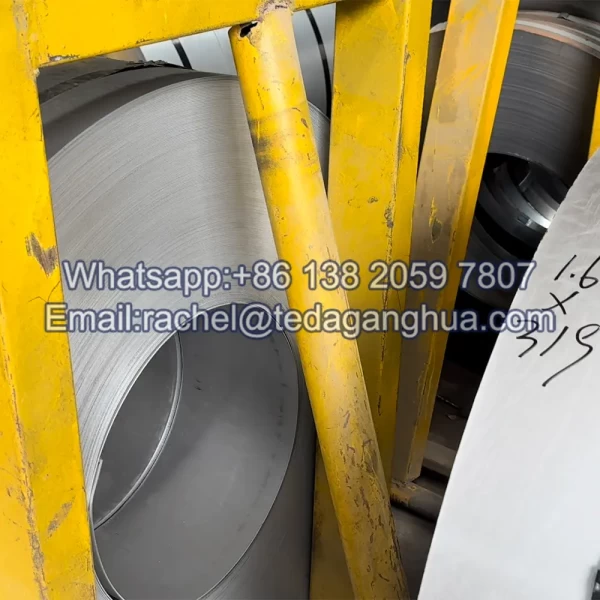
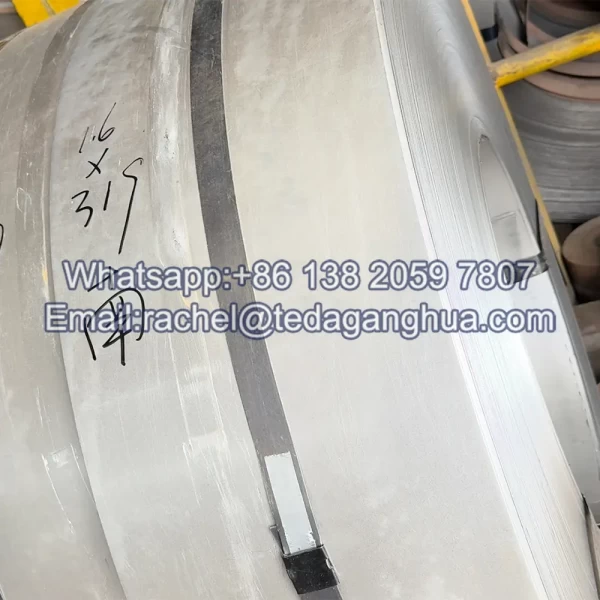
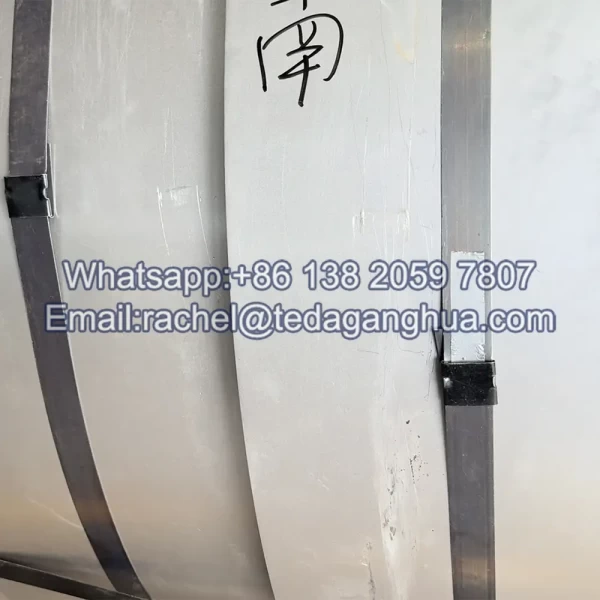
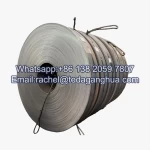
Aluminized Sheet
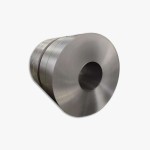
Aluminized sheet offers a balanced combination of steel strength, aluminum corrosion resistance, and outstanding heat performance. It is a versatile material used in automotive exhaust systems, industrial furnaces, household appliances, construction panels, and agricultural equipment.
Its durability, formability, and cost efficiency make it one of the most practical materials for modern manufacturing and engineering applications.
- Description
Description
Aluminized sheet refers to carbon steel or mild steel coated with a layer of aluminum or aluminum–silicon alloy through a hot-dip process. This metallurgical bond combines the mechanical strength of steel with the corrosion resistance, heat reflectivity, and oxidation resistance of aluminum. Because of its unique composite structure, aluminized sheet is widely used in industries that demand heat resistance, durability, and long service life.
Key Features & Advantages of Aluminized Sheet
Excellent Corrosion Resistance – The aluminum coating protects the steel base from rust and atmospheric oxidation.
High Temperature Resistance – The Al or Al–Si coating withstands continuous exposure to elevated temperatures.
Strong Heat Reflectivity – High infrared reflectivity helps reduce heat absorption.
Good Formability & Weldability – The steel core provides strength and processability for bending, forming, and stamping.
Long Service Life – Suitable for environments with moisture, chemicals, or combustion gases.
Cost-Efficient Alternative – Provides many functional advantages of stainless steel at a lower overall cost.
Technical Performance Table for Aluminized Sheet
| Property | Typical Performance | Description |
|---|---|---|
| Coating Composition | Aluminum or Al-Si Alloy | Provides corrosion & heat resistance |
| Heat Resistance | Up to 700–800°C (depending on type) | Suitable for exhaust and furnace applications |
| Thermal Reflectivity | > 80% | Reduces radiant heat absorption |
| Corrosion Resistance | High (significantly higher than bare steel) | Effective in humid, industrial, or coastal environments |
| Formability | Good | Supports bending, stamping, and rolling |
| Oxidation Resistance | Excellent | Protective oxide layer forms during heating |
| Typical Thickness Range | 0.3–3.0 mm | Covers automotive, industrial, and construction needs |
Values are general industry ranges and may vary depending on coating type (Type 1 or Type 2) and steel grade.
Major Applications of Aluminized Sheet
1. Automotive Industry
Aluminized sheet is widely used for automotive parts exposed to high temperatures and corrosive exhaust gases:
Exhaust pipes and muffler components
Catalytic converter covers
Heat shields
Engine compartment thermal protection parts
Its ability to resist heat cycling and oxidation ensures stable long-term performance in vehicle exhaust systems.
2. Industrial Heating & Thermal Equipment
Industries use aluminized sheet extensively in thermal environments such as:
Furnaces and oven chambers
Industrial burners
Combustion chambers and incinerators
Firebox liners
Industrial heating ducts
The material maintains structural integrity under long-term high-temperature exposure.
3. Home Appliances & Household Heating Devices
Because aluminized sheet handles heat well and has a clean metallic appearance, it is also used in:
Oven liners and range parts
Water heater tanks and casings
Fireplace components
Electric heating equipment
High-temperature cooking appliances
It provides durability while resisting oxidation and discoloration.
4. Construction and Architectural Applications
Aluminized sheet is applied in environments where both weather resistance and structural strength are important:
Roofing and siding panels
Chimney pipes and flue ducts
Exterior wall cladding
Ventilation and HVAC ducting
Storage tanks and agricultural building components
Type 2 aluminized sheet (with near-pure aluminum coating) is especially suitable for atmospheric corrosion resistance.
5. Agricultural & Industrial Storage Equipment
Its corrosion resistance makes aluminized sheet ideal for:
Grain storage bins
Feed silos
Irrigation system components
Chemical storage enclosures
Outdoor equipment housings
It withstands moisture, corrosive chemicals, and long-term weather exposure.
Why Aluminized Sheet Is Often Preferred
More heat-resistant than galvanized steel
More cost-effective than stainless steel
Better corrosion performance than plain steel
Easier to process with consistent mechanical properties
Suitable for both high-temperature and atmospheric-corrosion environments
These advantages make it a widely used material across multiple industries.