Silicon In Aluminum Alloys
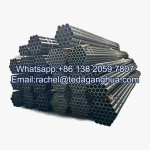
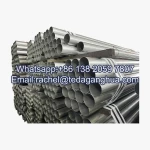
Silicon is the key element that defines the performance difference between aluminized steel coating types.
- Type 1 (Al–Si coating): engineered for high-temperature and exhaust systems
- Type 2 (pure Al coating): designed for atmospheric corrosion protection
aluminized steel therefore offers two distinct material solutions depending on whether the application requires thermal resistance or general corrosion protection.
- Description
Description
Silicon in aluminum alloys plays a critical role in the performance of aluminized steel, especially in controlling coating structure, adhesion strength, and high-temperature stability. In industrial applications, aluminized steel is commonly classified into two main coating types based on silicon content and processing route: Type 1 and Type 2.
These two types define the most important technical differences in aluminized steel products used in automotive, furnace, and heat-resistant engineering systems.
1. What Is Aluminized Steel?
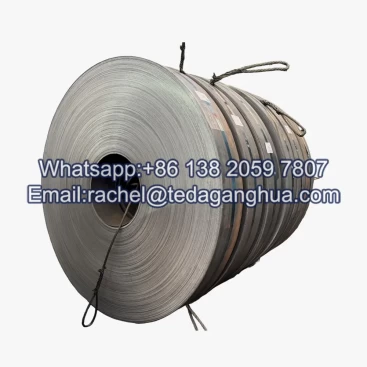
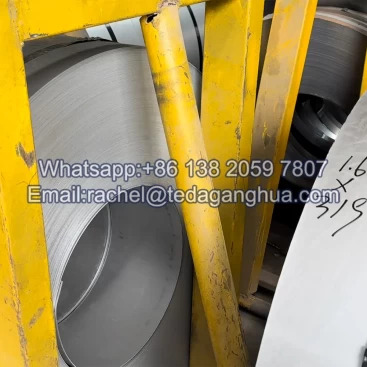
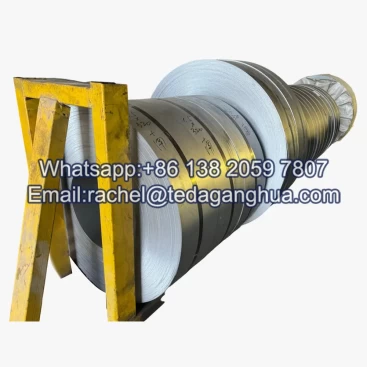
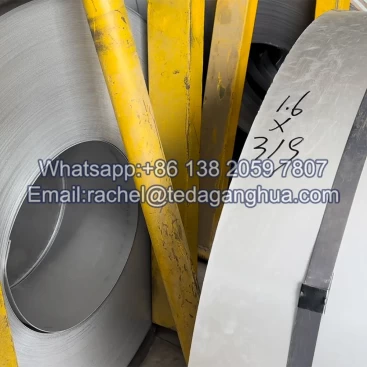
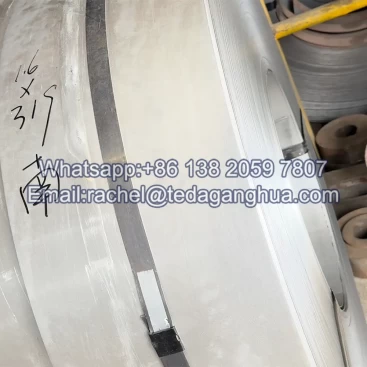
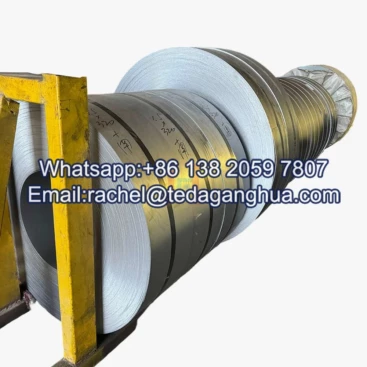
aluminized steel is a carbon steel substrate coated with an aluminum-based alloy through a hot-dip process. The coating contains a controlled amount of silicon to improve metallurgical bonding and performance stability.
The silicon element is not just an additive—it directly controls the structure of the intermetallic layer formed between aluminum and steel.
2. Role of Silicon in Aluminum Coatings
Silicon in the aluminum coating has three key functions:
- Controls diffusion between aluminum and steel
- Reduces excessive formation of brittle Fe–Al intermetallic compounds
- Improves coating adhesion and surface stability
Without silicon, the coating would become too brittle and prone to cracking during forming or thermal cycling.
3. Type 1 vs Type 2 Aluminized Steel
Aluminized steel is mainly divided into two standard coating systems:
Type 1: Aluminum-Silicon Coated Steel
aluminized steel type 1
Composition:
- Aluminum (Al): ~88–92%
- Silicon (Si): ~8–12%
Key characteristics:
- Most widely used industrial grade
- Excellent high-temperature resistance
- Strong oxidation protection
- Controlled intermetallic layer formation
- Good formability before and after coating
Typical applications:
- Automotive exhaust systems
- Mufflers and catalytic converter shells
- Furnace and burner components
- Heat shields
- High-temperature duct systems
Type 1 is the most important grade for thermal and exhaust environments.
Type 2: Commercial Pure Aluminum Coated Steel
aluminized steel type 2
Composition:
- Aluminum (Al): ~99%+
- Silicon (Si): very low or nearly zero
Key characteristics:
- No intentional silicon addition
- Softer coating surface
- Excellent atmospheric corrosion resistance
- Lower high-temperature stability compared to Type 1
- More suitable for general outdoor environments
Typical applications:
- Building materials
- Roofing systems
- Exterior panels
- General industrial corrosion protection
Type 2 is mainly used for atmospheric corrosion resistance rather than high-temperature service.
4. Key Differences Between Type 1 and Type 2
| Property | Type 1 (Al–Si Coating) | Type 2 (Pure Al Coating) |
|---|---|---|
| Silicon content | 8–12% | Nearly 0% |
| Heat resistance | Excellent | Moderate |
| Oxidation resistance | Very strong at high temp | Good in atmosphere |
| Coating structure control | Stable intermetallic layer | Minimal diffusion control |
| Primary application | High-temperature service | General corrosion protection |
| Automotive exhaust use | Yes | Rare |
5. Why Silicon Is Essential in Type 1 Coating
In Type 1 aluminized steel, silicon is the key engineering element that:
- Prevents excessive Fe–Al reaction layer growth
- Improves coating ductility during forming
- Enhances thermal fatigue resistance
- Stabilizes long-term performance under heat cycles
This is why Type 1 is the dominant material for exhaust and furnace systems.
6. Processing Characteristics of Aluminized Steel
aluminized steel can be processed using standard fabrication methods:
- Laser cutting
- Shearing
- Bending and roll forming
- Stamping and punching
- TIG / MIG welding (with coating removal at weld zone)
Proper surface preparation is required to avoid coating contamination during welding.
7. Typical Applications by Type
Type 1 Applications
- Automotive exhaust pipes
- Mufflers
- Heat exchangers
- Furnace components
- High-temperature ducts
Type 2 Applications
- Roofing panels
- Exterior building materials
- HVAC housings
- General corrosion-resistant structures