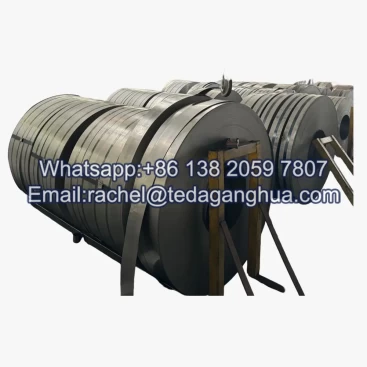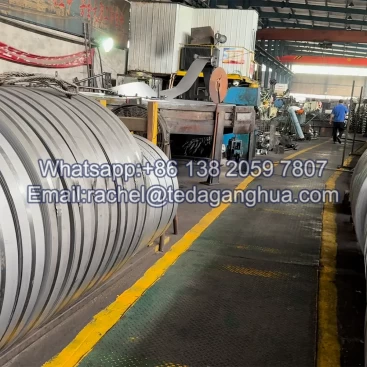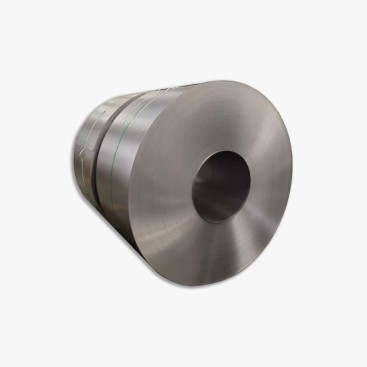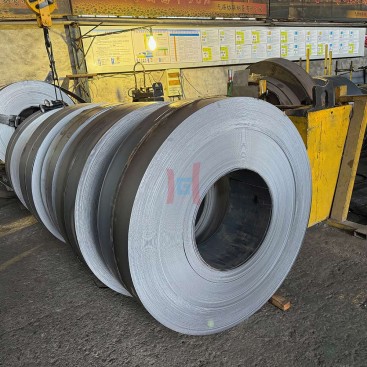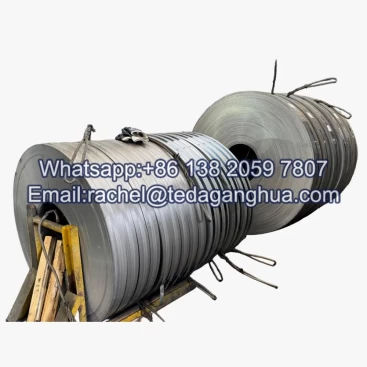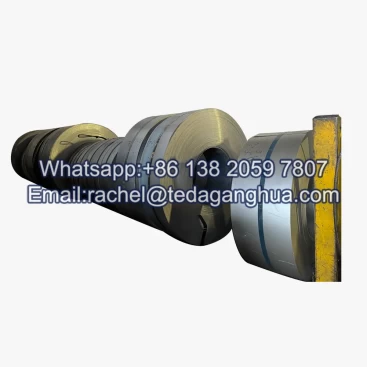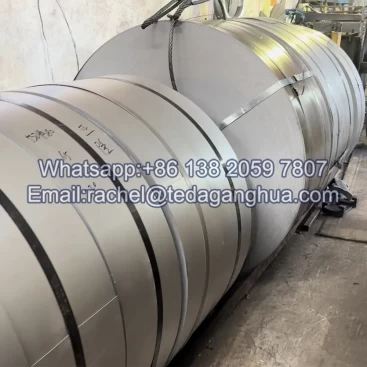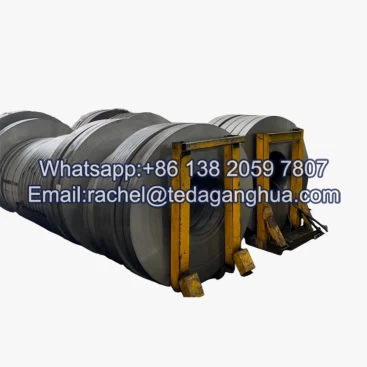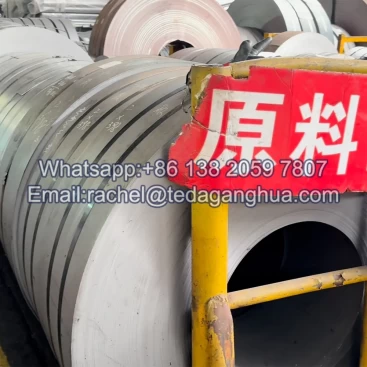
Astm A463 T1 40
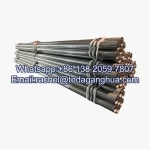
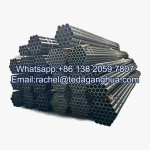
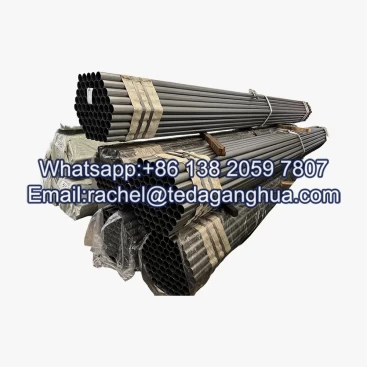
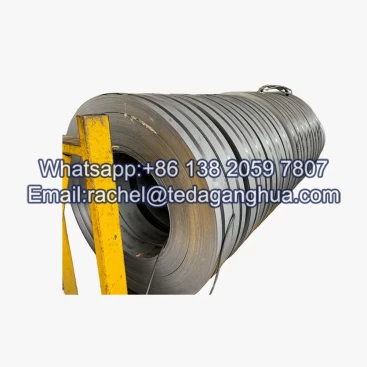
ASTM A463 Type 1 Grade 40 is a commonly used aluminized steel material for manufacturing heat-resistant pipes and tubing. It combines the mechanical strength of carbon steel with the oxidation resistance of an aluminum-silicon coating.
Its main advantages include:
- High-temperature durability
- Good formability
- Reliable weldability
- Excellent oxidation resistance
- Description
Description
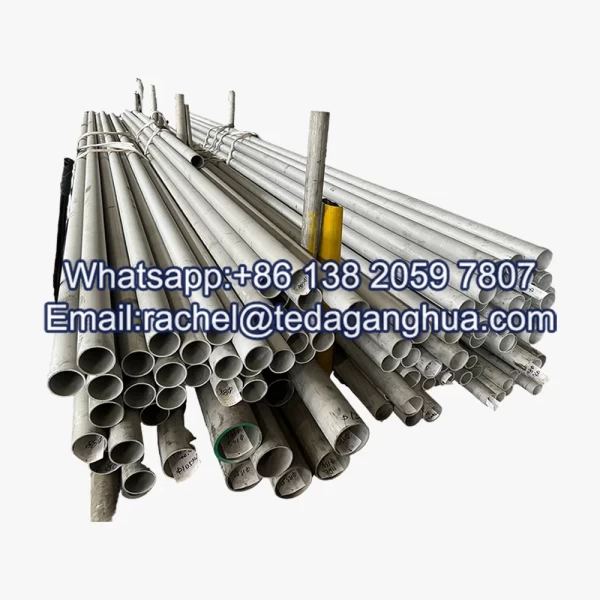
ASTM A463 Type 1 Grade 40 is a common specification for aluminized steel pipe, especially in applications requiring excellent heat resistance and oxidation protection. This material is made by applying an aluminum-silicon coating to carbon steel through a hot-dip process. The coating improves high-temperature durability while maintaining the mechanical strength and workability of the steel substrate.
For industrial fabrication, ASTM A463 T1 40 is widely used in exhaust tubing, heat-resistant ducts, and thermal processing systems because it offers a balance of corrosion resistance, thermal stability, and cost-effective processing.
What Is ASTM A463 Type 1 Grade 40?
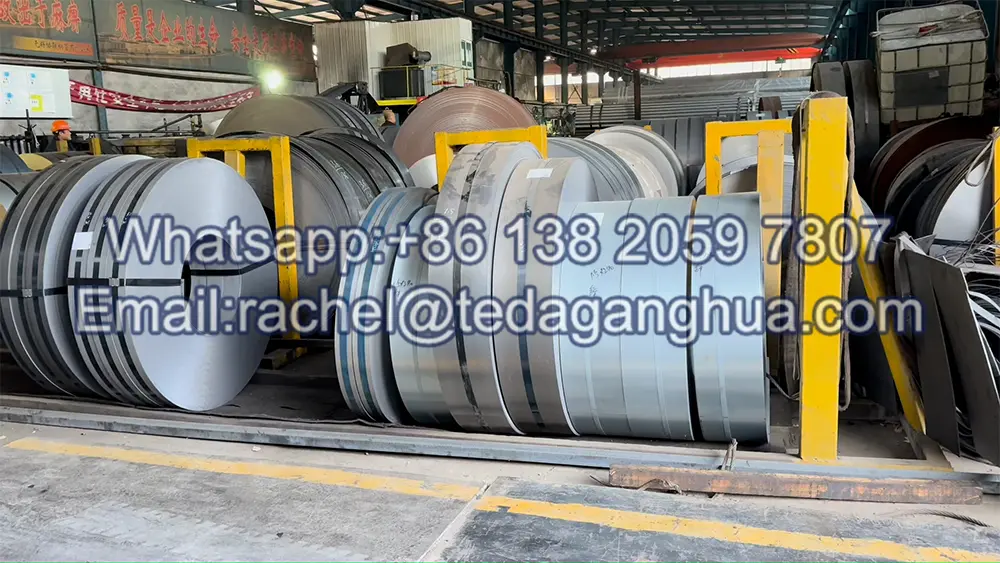
ASTM A463 is the standard specification for steel sheet coated by hot-dip aluminum. Type 1 (T1) refers to the coating type containing aluminum with silicon, usually designed for heat-resistant service. Grade 40 indicates a specific coating weight level, often used for moderate to high-temperature industrial applications.
Although the standard was originally developed for sheet products, the same coated material is frequently processed into welded pipes and tubing for industrial use.
Chemical Composition of ASTM A463 T1 40 Aluminized Steel Pipe
The base material is generally low-carbon steel, while the coating consists of aluminum and silicon. Typical composition is shown below.
| Element | Typical Content (%) | Function |
|---|---|---|
| Carbon (C) | 0.05–0.15 | Provides base strength |
| Manganese (Mn) | 0.20–0.60 | Improves toughness |
| Silicon (Si) | 0.03–0.35 | In steel substrate |
| Aluminum Coating (Al) | Balance | Corrosion and heat resistance |
| Silicon in Coating | 5–11 | Improves coating adhesion |
The silicon in the coating helps control the formation of the iron-aluminum alloy layer, which improves coating durability during high-temperature service.
Mechanical Properties
ASTM A463 T1 40 aluminized pipe retains the mechanical characteristics of carbon steel while adding a protective outer layer.
| Property | Typical Value |
|---|---|
| Tensile Strength | 270–410 MPa |
| Yield Strength | 180–260 MPa |
| Elongation | ≥ 28% |
| Coating Thickness | Approx. 20–40 μm |
| Service Temperature | Up to 800°C |
These values may vary depending on substrate grade and pipe manufacturing process.
Key Performance Characteristics
Excellent Heat Resistance
ASTM A463 Type 1 is designed for high-temperature applications. The aluminum coating forms a stable oxide layer during service, protecting the steel from rapid scaling.
Good Oxidation Resistance
At elevated temperatures, the surface develops a dense aluminum oxide film, reducing oxidation compared with bare carbon steel.
Good Formability
The steel substrate can be processed into pipes using:
- Roll forming
- Tube welding
- Bending
- Cutting
- Expansion
This makes the material suitable for complex pipe assemblies.
Weldability
Aluminized steel pipe can be welded using:
- MIG welding
- TIG welding
- Resistance welding
The coating around the weld area is usually removed before welding to improve seam quality.
Common Processing of ASTM A463 T1 40 Pipe
Typical fabrication processes include:
Pipe Manufacturing
The coated sheet is formed into tubular sections through:
- ERW pipe forming
- Longitudinal seam welding
- Precision roll forming
Secondary Processing
Common post-processing includes:
- Tube cutting
- Mandrel bending
- Flanging
- End expansion
- Perforation
These processes are commonly used for exhaust systems and thermal duct assemblies.
Common Applications of ASTM A463 T1 40 Aluminized Pipe
Because of its heat-resistant coating, this material is widely used in industries requiring long-term exposure to elevated temperatures.
Automotive Industry
Common applications include:
- Exhaust pipes
- Muffler tubes
- Tailpipes
- Catalytic converter shells
Industrial Heating Equipment
Used for:
- Furnace tubes
- Burner pipes
- Hot gas ducts
- Heat exchanger casings
Construction and Ventilation
Also applied in:
- Chimney systems
- Ventilation ducts
- Thermal insulation piping
- Boiler exhaust lines
ASTM A463 T1 40 vs Ordinary Carbon Steel Pipe
| Property | ASTM A463 T1 40 | Plain Carbon Steel Pipe |
|---|---|---|
| Surface Coating | Aluminum-silicon | None |
| Heat Resistance | Excellent | Standard |
| Oxidation Resistance | High | Low |
| Weldability | Good | Good |
| Corrosion Protection | Better | Lower |
| High-Temperature Service | Suitable | Limited |