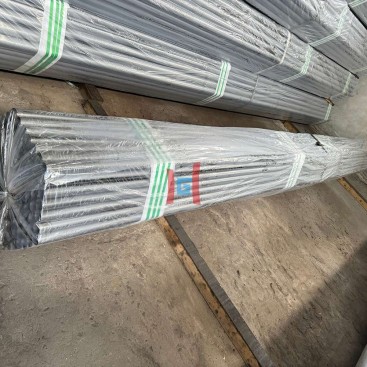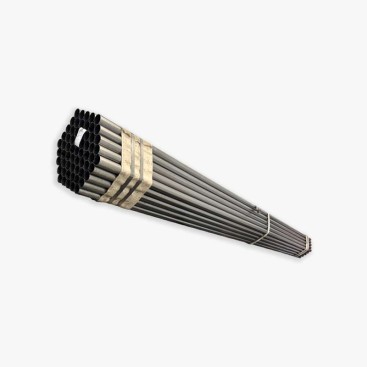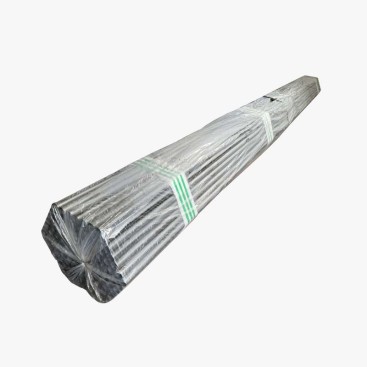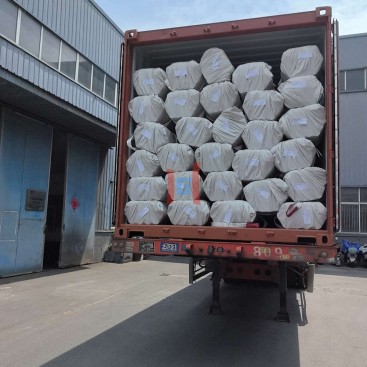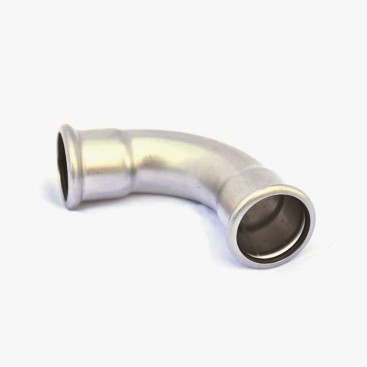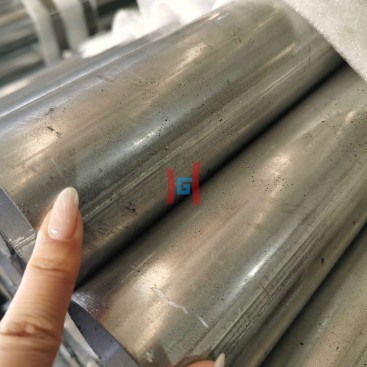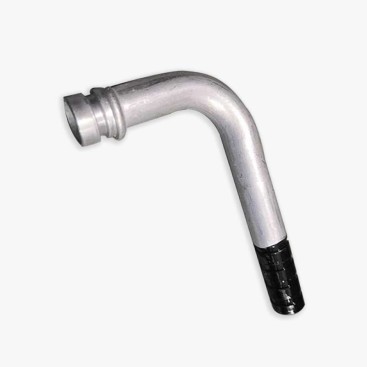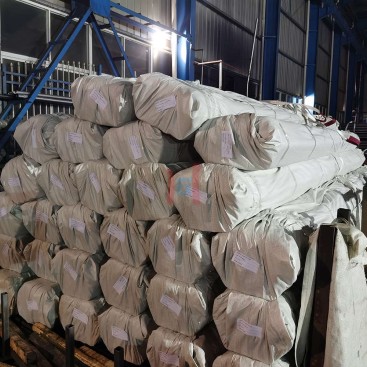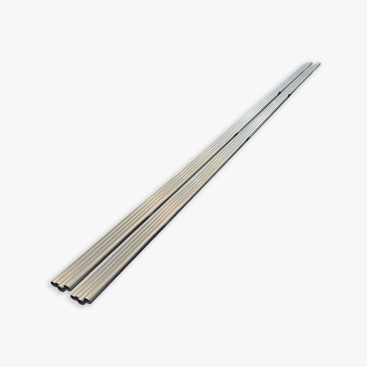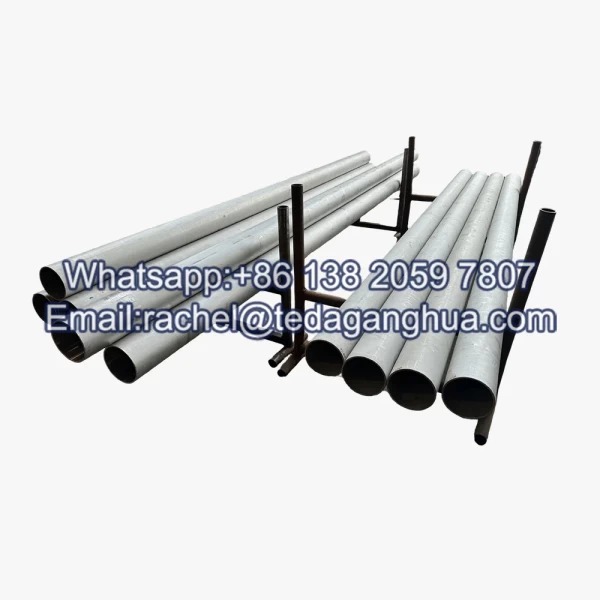
Aluminized Welded Pipe
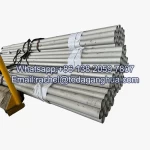
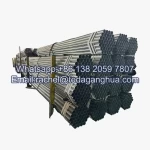
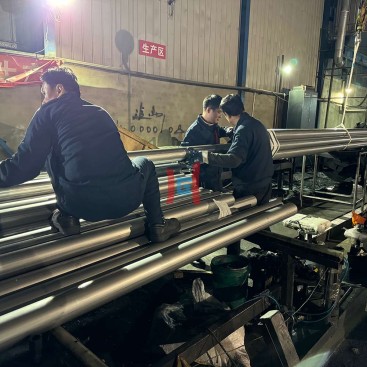
An aluminized welded pipe is manufactured through high-frequency welding of steel strips followed by hot-dip aluminizing. This process combines efficient mass production with good mechanical strength and corrosion resistance.
- Description
Description
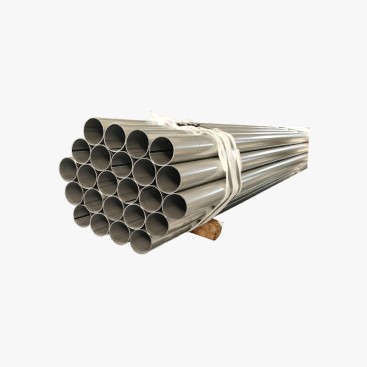
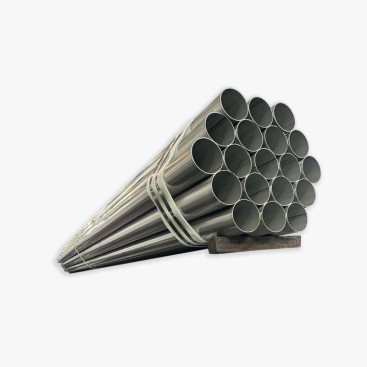
An aluminized welded pipe is a steel pipe formed by welding steel strips or plates into a tubular shape and then applying an aluminum-silicon alloy coating on the surface. It is widely used in automotive exhaust systems, ventilation systems, industrial air ducts, and general fluid or gas transport applications where moderate strength and good corrosion resistance are required.
Compared with seamless aluminized pipes, welded aluminized pipes offer a more cost-effective solution while still maintaining good mechanical performance and surface protection.
Manufacturing Process of Aluminized Welded Pipe
The production of aluminized welded pipe mainly involves two key stages: pipe forming and aluminizing coating.
1. Raw Material Preparation
High-quality steel coils or strips are selected as the base material.
- Carbon steel or low-alloy steel is commonly used
- Material is checked for thickness uniformity and surface quality
- Ensures stable welding and forming performance
2. Strip Slitting and Edge Preparation
Steel coils are processed before forming:
- Slitting into required widths
- Edge trimming for clean welding seams
- Surface cleaning to remove oil and oxidation
This step ensures stable welding quality.
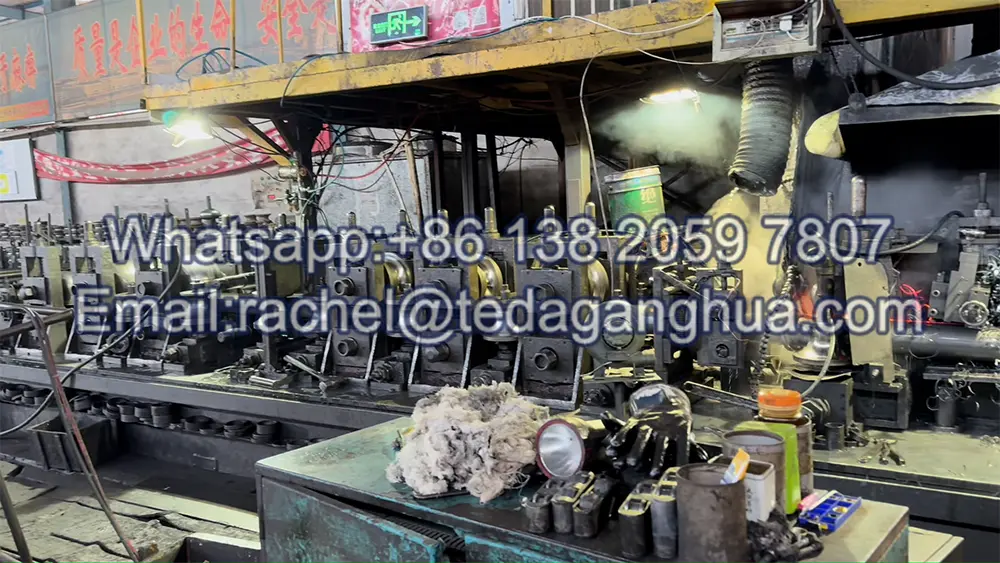
3. Pipe Forming Process
The steel strip is gradually formed into a cylindrical shape using rolling equipment:
Process Steps:
- Flat strip feeding
- Gradual roll forming
- Tube closing
The pipe shape is prepared before welding.
4. High-Frequency Welding (ERW Process)
This is the core step of welded pipe production.
Process Principle:
- High-frequency current heats the edges of the steel strip
- Pressure is applied to fuse the edges together
- A continuous weld seam is formed
Key Features:
- Fast production speed
- Strong and uniform weld seam
- Suitable for mass production
5. Weld Seam Treatment
After welding:
- Internal and external weld flash is removed
- Surface is smoothed for uniform coating
- Heat affected zone is normalized if required
This improves surface quality before aluminizing.
6. Surface Cleaning and Pretreatment
Before coating, the pipe surface is prepared:
- Degreasing to remove oils
- Acid pickling to remove scale
- Surface activation for better coating adhesion
This ensures strong bonding of the aluminum layer.
7. Hot-Dip Aluminizing Process
This is the key corrosion protection step.
Process Principle:
- Welded pipe is immersed into molten aluminum-silicon alloy
- A metallurgical reaction forms a protective coating layer
- Controlled withdrawal ensures uniform coating thickness
Key Features:
- Strong adhesion to steel surface
- Uniform protective layer
- Improved oxidation resistance
8. Cooling and Surface Stabilization
After coating:
- Pipe is cooled in a controlled environment
- Aluminum layer solidifies evenly
- Natural oxide film forms on the surface for extra protection
9. Finishing and Quality Inspection
Final steps include:
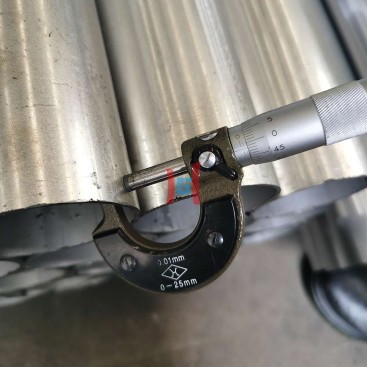
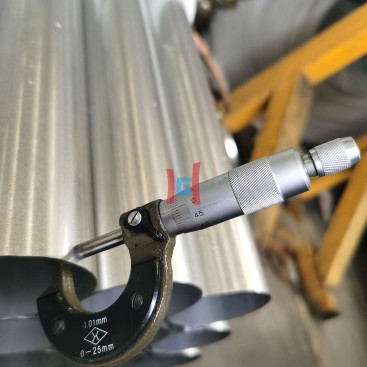
- Dimensional inspection (diameter, thickness)
- Coating thickness measurement
- Weld seam quality inspection
- Surface appearance check
Only qualified pipes are approved for delivery.
Structure of Aluminized Welded Pipe
| Layer | Function |
|---|---|
| Aluminum-silicon coating | Corrosion and heat resistance |
| Diffusion bonding layer | Strong adhesion between steel and coating |
| Welded steel pipe base | Structural support and flow capacity |
Advantages of the Manufacturing Process
- Efficient and cost-effective production
- Suitable for large-scale industrial supply
- Good corrosion and oxidation resistance
- Flexible size and specification options
- Reliable welding and coating integration
Common Applications
Automotive Industry
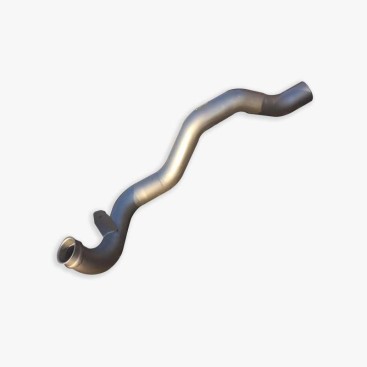
- Exhaust systems
- Heat shielding pipes
- Emission control ducts
HVAC and Ventilation Systems
- Air ducts
- Exhaust ventilation pipelines
- Industrial airflow systems
Industrial Equipment
- Gas transportation lines
- Dust collection systems
- Heat exhaust pipelines
Construction and Infrastructure
- Building ventilation systems
- Tunnel air ducts
- Light industrial piping systems
Advantages of Aluminized Welded Pipe
- Lower cost compared to seamless pipes
- Good corrosion and heat resistance
- High production efficiency
- Wide range of sizes available
- Suitable for mass industrial applications
Limitations
- Weld seam is a potential weak point compared with seamless pipe
- Not suitable for very high-pressure systems
- Slightly lower structural strength than seamless aluminized pipe
- Surface coating may be damaged under severe mechanical wear