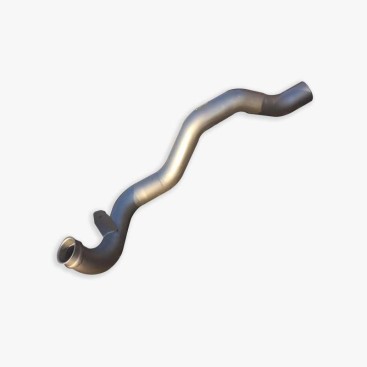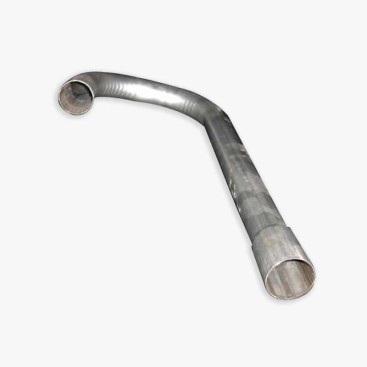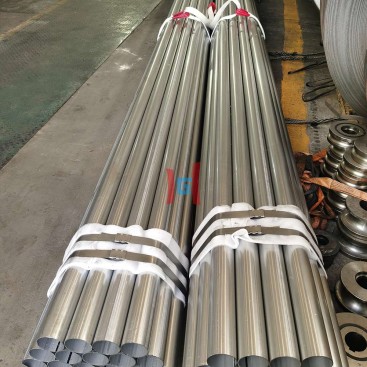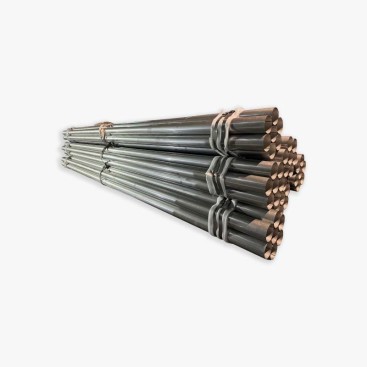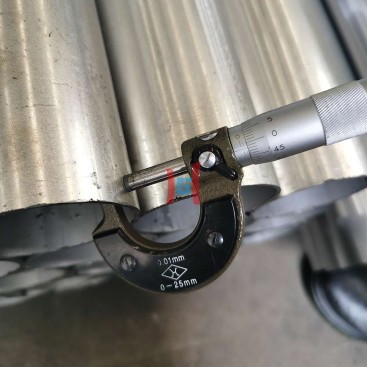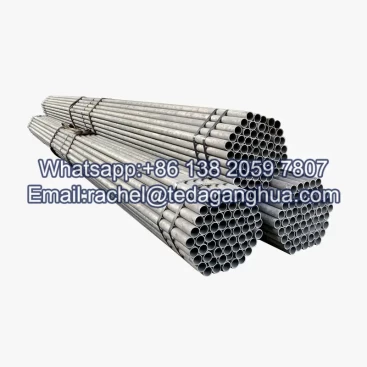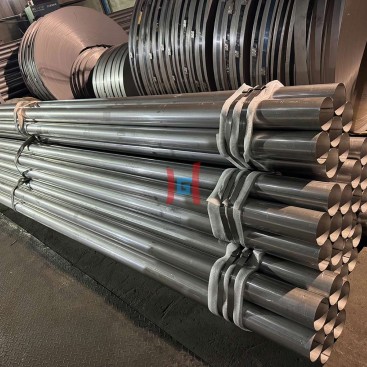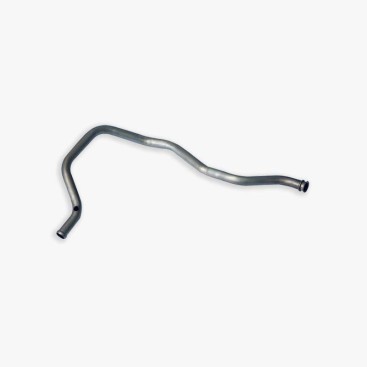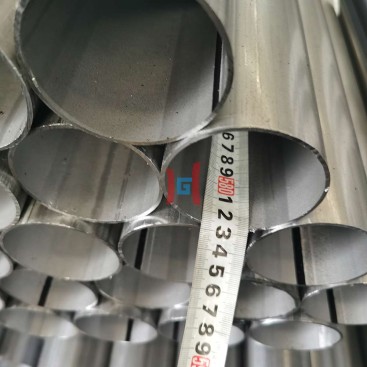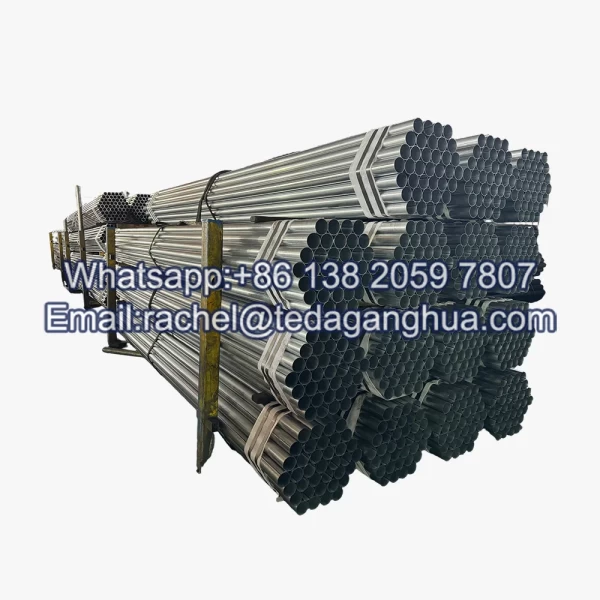
Aluminized Automotive Exhaust Pipe
Aluminized steel is widely chosen for automotive exhaust pipes because it offers an excellent balance of heat resistance, corrosion protection, manufacturability, and cost efficiency.
It provides significantly better performance than carbon steel while remaining more economical than stainless steel, making it the most common material in modern automotive exhaust system manufacturing.
- Description
Description
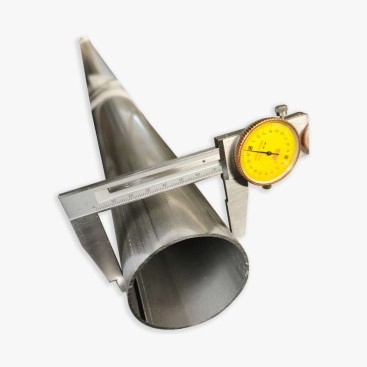
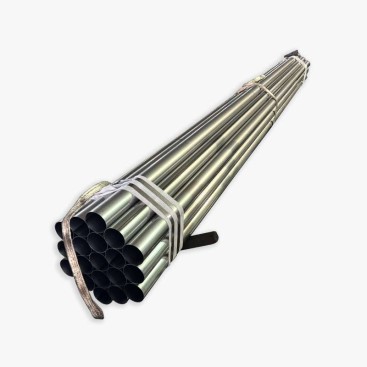
An aluminized automotive exhaust pipe is a steel exhaust system component coated with an aluminum-silicon alloy layer. It is widely used in passenger vehicles, commercial vehicles, and light trucks due to its good balance of heat resistance, corrosion protection, and cost efficiency.
Compared with ordinary carbon steel exhaust pipes, aluminized pipes offer significantly longer service life in harsh exhaust environments.
Why Choose Aluminized Steel for Automotive Exhaust Pipes?
Automotive exhaust systems operate under extremely demanding conditions, including:
- High temperature gas flow
- Continuous thermal cycling (heating and cooling)
- Moisture condensation inside the pipe
- Road salt and external corrosion exposure
- Vibration and mechanical stress
Because of these conditions, material selection is critical.
1. Excellent High-Temperature Resistance
Exhaust systems regularly reach high temperatures.
Aluminized steel performs well because:
- Aluminum coating remains stable at elevated temperatures
- Forms a protective oxide layer (Al₂O₃)
- Reduces surface oxidation and scaling
This makes it suitable for long-term thermal exposure.
2. Strong Corrosion Resistance
One of the biggest issues in exhaust systems is corrosion from:
- Water vapor condensation
- Acidic exhaust gases
- Road salt and moisture exposure
Aluminized coating provides protection by:
- Acting as a barrier layer
- Preventing direct steel exposure
- Slowing down rust formation
This significantly extends service life compared with bare carbon steel.
3. Cost-Effective Alternative to Stainless Steel
While stainless steel (such as 409 or 304) also offers corrosion resistance, aluminized steel is widely used because:
- Lower material cost
- Easier processing and forming
- Suitable for mass production
- Good balance of performance and price
It is especially common in OEM automotive systems.
4. Good Thermal Stability and Oxidation Resistance
During engine operation:
- Exhaust gas temperature fluctuates constantly
- Metal expands and contracts repeatedly
Aluminized steel provides:
- Stable coating under thermal cycling
- Resistance to scaling and surface degradation
- Longer fatigue life in exhaust conditions
5. Good Formability and Weldability
Automotive exhaust systems require complex shapes such as:
- Bends
- Expansion sections
- Muffler connections
Aluminized steel offers:
- Easy pipe bending
- Good welding compatibility
- Suitable for automated production lines
6. Lightweight and Efficient Design
Compared with thicker stainless systems:
- Aluminized steel allows thinner wall design
- Reduces overall vehicle weight
- Improves fuel efficiency
- Maintains sufficient strength for exhaust use
Structure of Aluminized Exhaust Pipe
| Layer | Function |
|---|---|
| Aluminum-silicon coating | Heat and corrosion resistance |
| Diffusion layer | Strong bonding between coating and steel |
| Carbon steel base | Structural strength and durability |
Common Applications in Automotive Systems
Passenger Vehicles
- Exhaust manifolds
- Mid-pipes
- Tailpipes
- Muffler shells
Commercial Vehicles
- Truck exhaust systems
- Bus exhaust pipelines
- Heavy-duty emission systems
Automotive Thermal Systems
- Heat shields
- Thermal protection ducts
- Emission control components
Advantages of Aluminized Exhaust Pipes
- Good high-temperature oxidation resistance
- Better corrosion protection than carbon steel
- Lower cost than stainless steel
- Suitable for mass automotive production
- Reliable performance in real driving conditions
Limitations
- Lower corrosion resistance than stainless steel in extreme environments
- Coating can degrade under severe mechanical damage
- Not suitable for highly acidic or chemical exposure conditions
- Limited lifetime compared with premium stainless systems