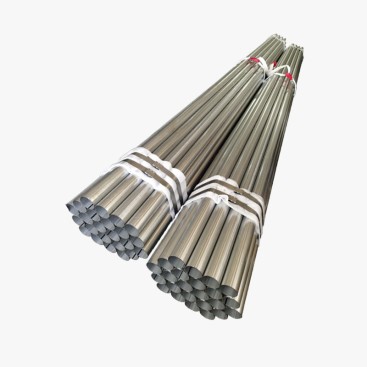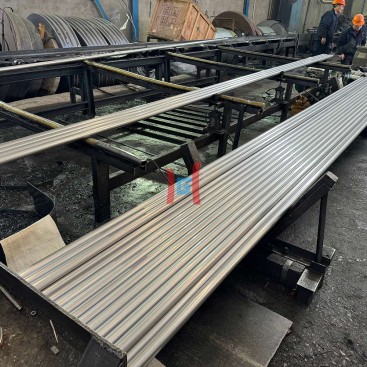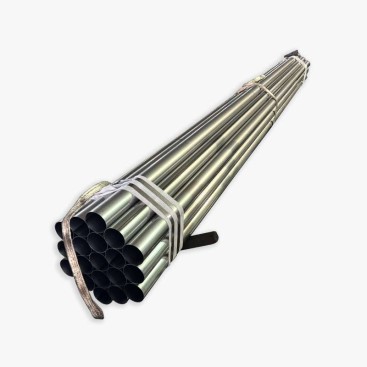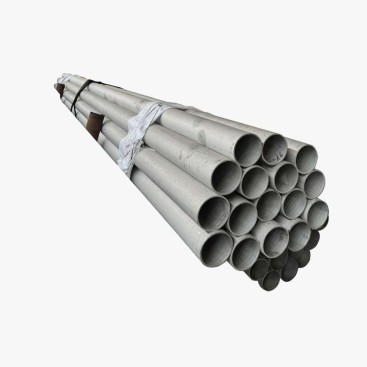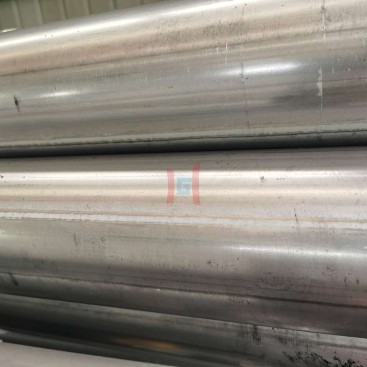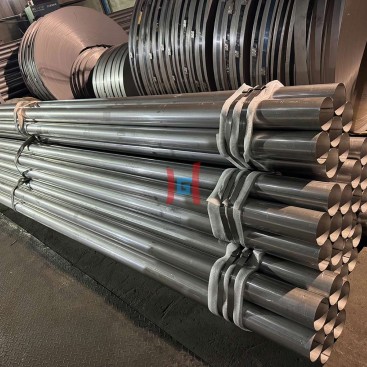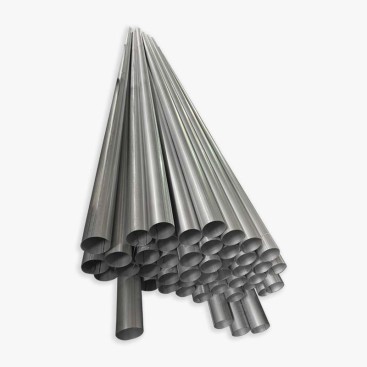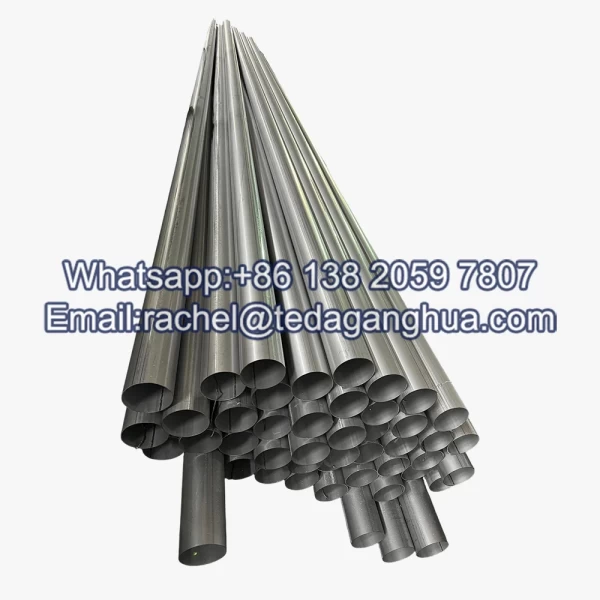
Aluminized Coating
The aluminized coating process is a hot-dip metallurgical treatment that forms a durable aluminum-silicon protective layer on steel surfaces. Through surface preparation, molten aluminum immersion, diffusion bonding, and controlled cooling, a strong and heat-resistant coating is achieved.
This process significantly improves the steel’s resistance to oxidation and corrosion, making it widely used in automotive exhaust systems, industrial heat equipment, and high-temperature applications where durability and cost efficiency are both required.
- Description
Description
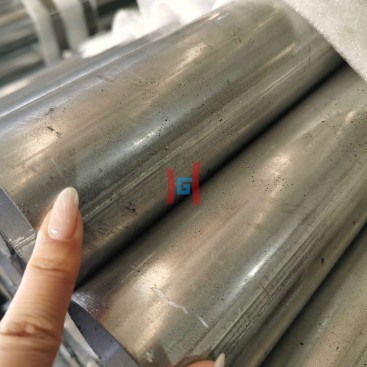
Aluminized coating is a surface treatment process in which a layer of aluminum-silicon alloy is applied onto the surface of steel materials. This coating is widely used to improve corrosion resistance, heat resistance, and oxidation protection in automotive, industrial, and construction applications.
The coating forms a metallurgically bonded layer rather than a simple surface paint, which makes it more durable under high-temperature and harsh environmental conditions.
Aluminized Coating Manufacturing Process
The aluminized coating process is typically carried out through hot-dip aluminizing technology, which ensures strong bonding between the steel base and aluminum layer.
1. Surface Cleaning and Preparation
Before coating, the steel surface must be thoroughly cleaned:
- Degreasing to remove oil and contaminants
- Acid pickling to remove oxide scale
- Rinsing and drying
- Surface activation for better adhesion
This step is critical for ensuring coating quality and bonding strength.
2. Preheating of Steel Base
The cleaned steel is preheated to:
- Remove moisture
- Improve coating wetting behavior
- Stabilize thermal conditions before dipping
Proper temperature control ensures uniform coating formation.
3. Hot-Dip Aluminizing Process
This is the core step of the coating process.
Process Principle:
- Steel is immersed into a molten aluminum-silicon bath
- Aluminum reacts with the steel surface
- A diffusion layer is formed between steel and coating
Key Reactions:
- Iron and aluminum form intermetallic compounds
- A stable metallurgical bond is created
- Aluminum layer solidifies upon withdrawal
4. Formation of Diffusion Layer
Between steel and aluminum coating, a transition zone is formed:
- Ensures strong bonding strength
- Prevents coating peeling
- Improves thermal stability
This layer is essential for long-term performance.
5. Controlled Cooling
After coating:
- Steel is slowly cooled in air or controlled environment
- Aluminum layer solidifies evenly
- A natural aluminum oxide film forms on the surface
This oxide layer enhances corrosion resistance.
6. Post-Treatment (Optional)
Depending on application requirements:
- Surface finishing or smoothing
- Thickness adjustment
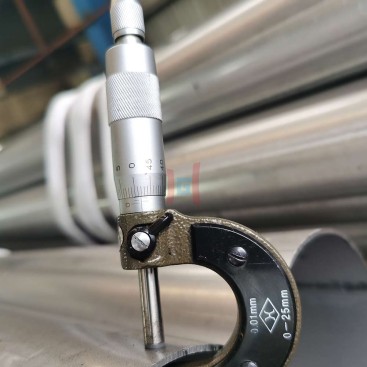
- Inspection and quality control
- Cutting or forming preparation
Structure of Aluminized Coating Layer
| Layer | Function |
|---|---|
| Aluminum-silicon top layer | Corrosion and heat protection |
| Intermetallic diffusion layer | Strong bonding interface |
| Steel substrate | Structural strength |
Key Characteristics of Aluminized Coating
1. High Temperature Resistance
- Stable under elevated temperatures
- Suitable for exhaust and heat systems
- Resistant to oxidation scaling
2. Strong Corrosion Protection
- Aluminum oxide film prevents rust
- Protects steel from moisture and chemicals
- Long-term environmental durability
3. Metallurgical Bonding Strength
- Coating is not just surface adhesion
- Forms alloyed diffusion layer
- Prevents peeling and delamination
4. Uniform Surface Coverage
- Even coating thickness
- Consistent protection performance
- Suitable for mass production
Common Applications of Aluminized Coating
Automotive Industry
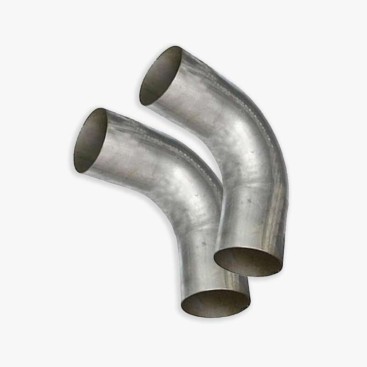
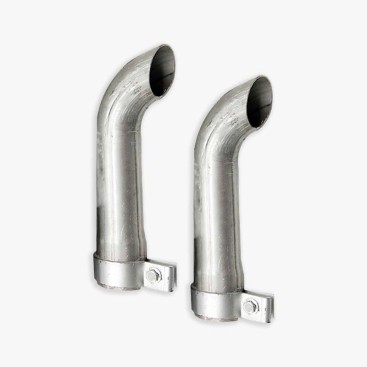
- Exhaust systems
- Heat shields
- Mufflers and pipes
Industrial Equipment
- Heat exchangers
- Furnace components
- High-temperature ducts
Construction and Infrastructure
- Ventilation systems
- Industrial piping
- Thermal protection structures
Advantages of Aluminized Coating Process
- Excellent heat and oxidation resistance
- Strong metallurgical bonding
- Long service life in harsh environments
- Cost-effective compared with stainless steel
- Suitable for mass industrial production
Limitations
- Not suitable for highly acidic chemical environments
- Surface layer can be damaged by severe mechanical abrasion
- Requires precise process control for consistent quality