- Description
Description
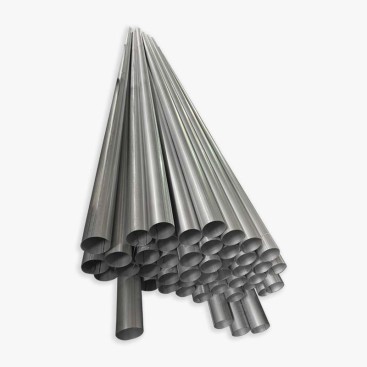
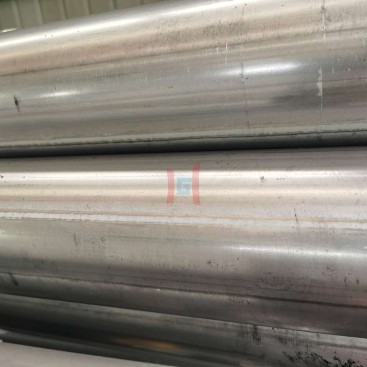
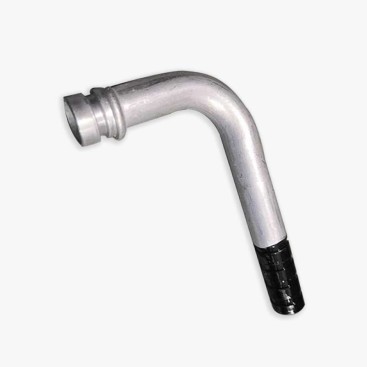
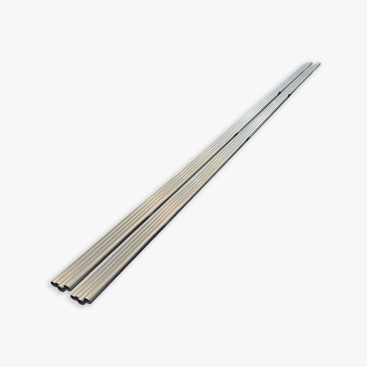
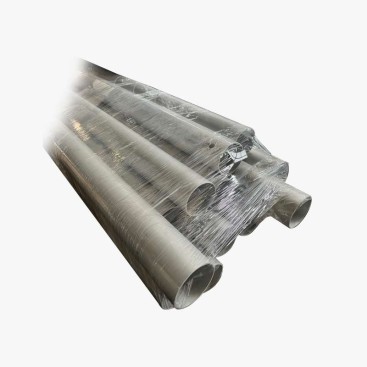
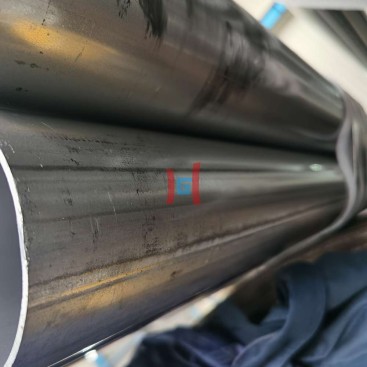
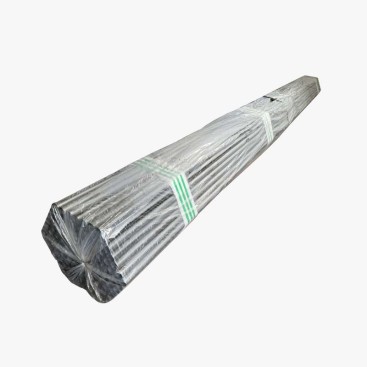
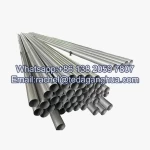
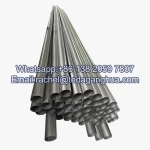
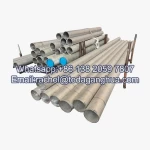
An aluminized high-pressure pipe is a steel pipe designed for medium to high-pressure applications, with a protective aluminum-silicon alloy coating applied on the surface. It combines the mechanical strength of steel with the corrosion and heat resistance of an aluminized layer.
This type of pipe is widely used in automotive systems, industrial gas transmission, heat exchange systems, and engineered fluid transportation where both pressure resistance and environmental durability are required.
Material Composition of Aluminized High-Pressure Pipe
The performance of aluminized high-pressure pipe depends on two parts: steel base material and aluminized coating layer.
1. Steel Base Material (Structural Strength)
The base is usually made from carbon steel or low-alloy steel.
Typical composition elements:
| Element | Function |
|---|---|
| Carbon (C) | Provides strength and pressure resistance |
| Manganese (Mn) | Improves toughness and ductility |
| Silicon (Si) | Enhances strength and heat resistance |
| Sulfur (S) / Phosphorus (P) | Controlled to low levels for safety |
Function of steel base:
- Withstands internal pressure
- Provides mechanical strength
- Ensures structural stability under load
2. Aluminized Coating Layer (Surface Protection)
The outer layer is an aluminum-silicon alloy coating applied by hot-dip aluminizing.
Typical composition:
| Element | Function |
|---|---|
| Aluminum (Al) | Corrosion resistance and oxidation protection |
| Silicon (Si) | Improves coating adhesion and heat stability |
Coating Structure
The aluminized layer is not a simple surface film but a multi-layer structure:
- Outer aluminum-rich layer
- Intermetallic diffusion layer (Fe-Al compounds)
- Transition bonding zone
- Steel substrate
This structure ensures strong adhesion and long-term durability.
Key Performance Characteristics
1. Pressure Resistance (Steel Core Function)
- High strength steel base
- Suitable for medium and high-pressure systems
- Maintains structural integrity under load
2. Corrosion Resistance (Aluminized Layer Function)
- Aluminum oxide film protects surface
- Reduces rust and oxidation
- Performs well in humid and thermal environments
3. Heat Resistance
- Stable performance under elevated temperatures
- Suitable for exhaust and thermal systems
- Prevents scaling and surface degradation
4. Metallurgical Bonding Strength
- Coating is diffusion-bonded to steel
- Prevents peeling under pressure and vibration
- Improves long-term service stability
Why Aluminized Material Is Used in High-Pressure Pipes
Aluminized coating is selected because it provides:
- Protection against external corrosion
- Resistance to high-temperature oxidation
- Extended service life under harsh environments
- Cost-effective alternative to stainless steel
While the steel base handles pressure, the aluminized layer protects against environmental damage.
Common Applications
Automotive Systems
- Exhaust pressure pipes
- Turbocharger pipelines
- Heat exchange tubing
Industrial Systems
- Gas transmission pipelines
- High-temperature air ducts
- Heat recovery systems
Energy and Equipment Systems
- Boiler exhaust pipelines
- Furnace gas systems
- Thermal fluid transport
Advantages of Aluminized High-Pressure Pipe
- Strong mechanical pressure resistance
- Excellent corrosion and oxidation protection
- Good performance in high-temperature environments
- Long service life with reduced maintenance
- Cost-effective compared with stainless steel systems
Limitations
- Not suitable for extremely corrosive chemical environments
- Coating may degrade under severe mechanical abrasion
- Requires precise manufacturing control for high-pressure safety