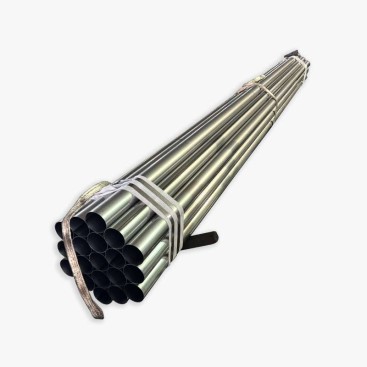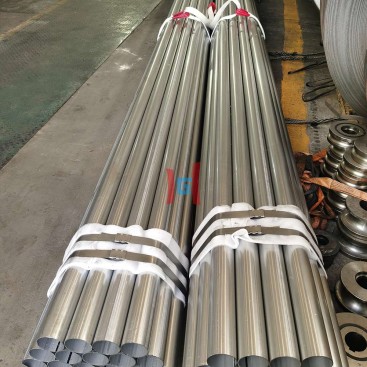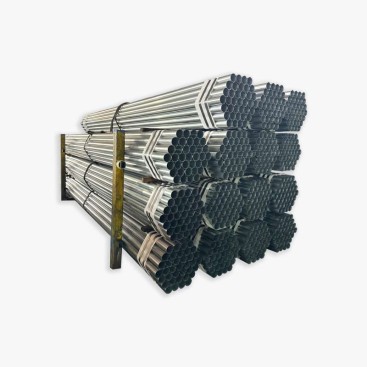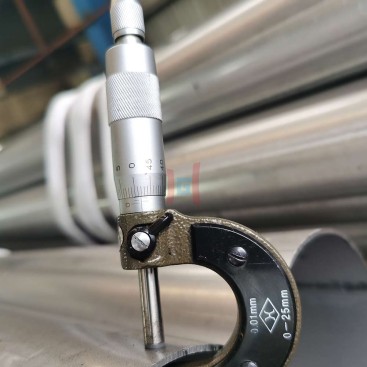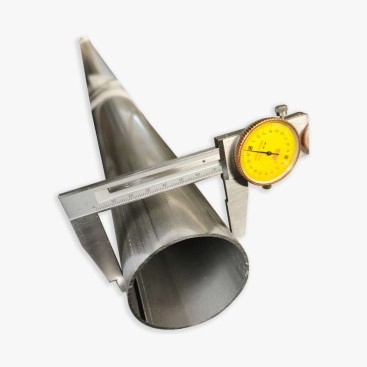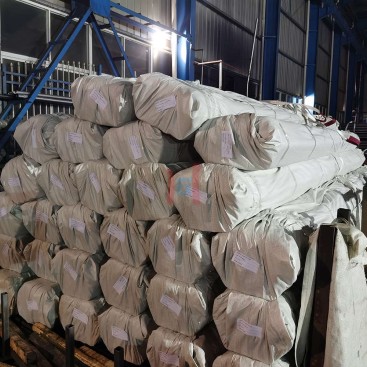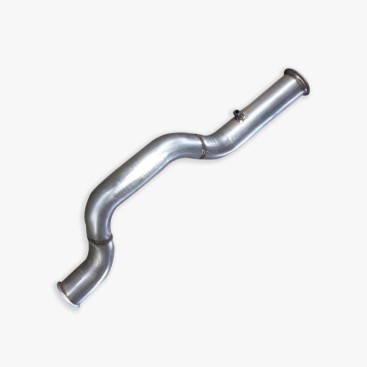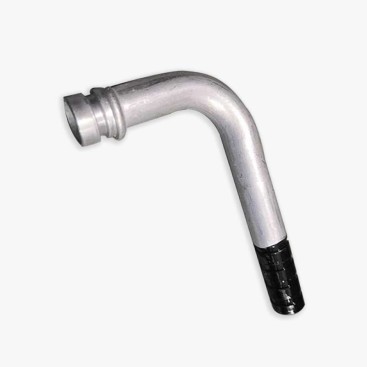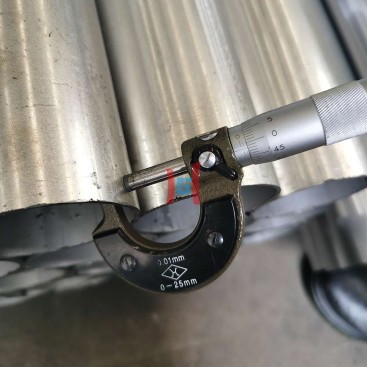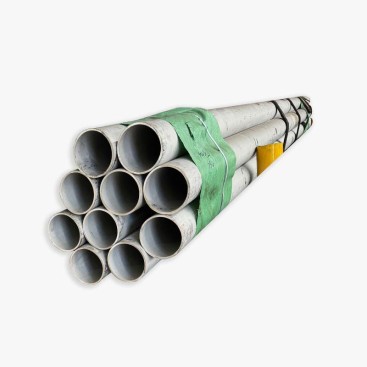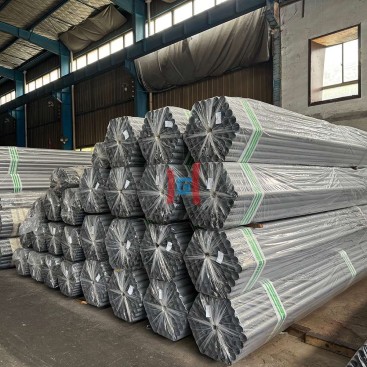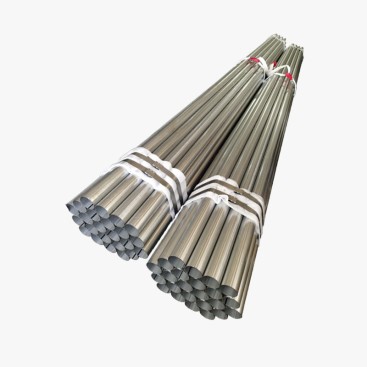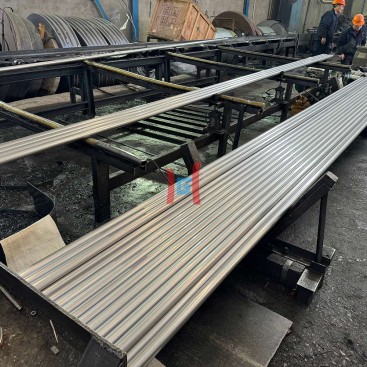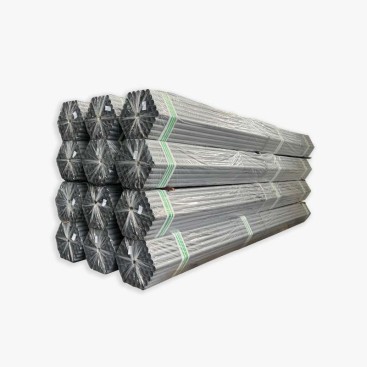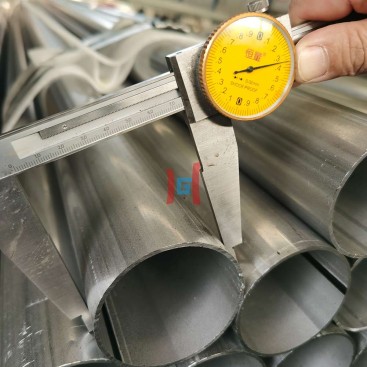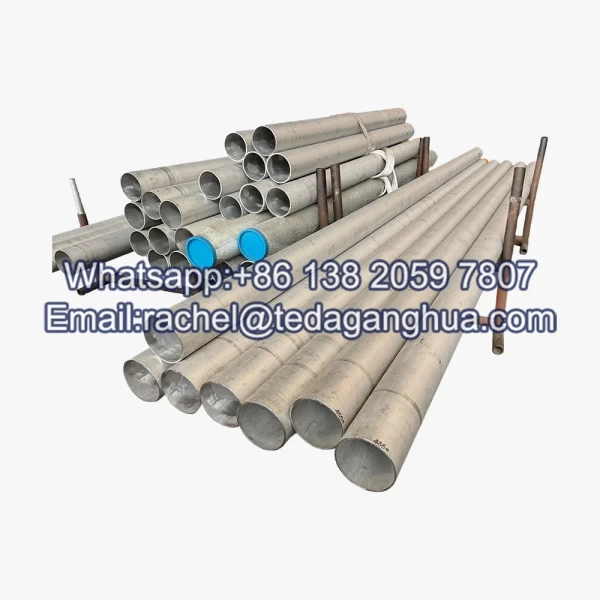
Aluminized Low-Pressure Pipe
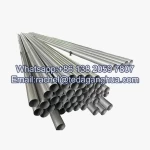
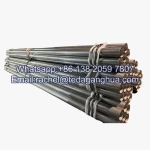
Aluminized low-pressure pipes are typically manufactured using low-carbon steel grades such as SPCC, SPCD, DC01–DC04, Q195, and Q235 as base materials, combined with an aluminum-silicon coating for surface protection.
These materials provide an excellent balance of formability, cost efficiency, and corrosion resistance, making them ideal for automotive exhaust systems, HVAC ventilation, and light industrial piping applications where pressure requirements are relatively low.
- Description
Description
An aluminized low-pressure pipe is a steel pipe with an aluminum-silicon alloy coating, designed for low-pressure fluid, gas, and air transport systems. It is widely used in automotive exhaust systems, ventilation ducts, HVAC systems, and light industrial piping where pressure demand is low but corrosion and heat resistance are still required.
Compared with high-pressure systems, low-pressure aluminized pipes focus more on cost efficiency, formability, and surface protection performance.
Common Material Grades of Aluminized Low-Pressure Pipe
Aluminized low-pressure pipes are typically produced using standard carbon steels or low-carbon steels as the base material. The aluminized coating is applied on the surface for protection.
1. SPCC / SPCD (Cold Rolled Steel Grades)
These are the most common base materials for low-pressure aluminized pipes.
| Grade | Characteristics | Application |
|---|---|---|
| SPCC | General cold rolled steel, good formability | Ventilation and exhaust pipes |
| SPCD | Better surface quality than SPCC | Automotive exhaust systems |
Features:
- Excellent forming performance
- Suitable for bending and shaping
- Widely used in mass production
2. DC01 / DC03 / DC04 (European Standard Low Carbon Steel)
| Grade | Characteristics | Application |
|---|---|---|
| DC01 | General drawing quality | Low-pressure pipes |
| DC03 | Improved formability | Automotive exhaust parts |
| DC04 | Deep drawing quality | Complex pipe forming systems |
Features:
- Low carbon content
- High ductility
- Suitable for complex pipe structures
3. Q195 / Q235 (Structural Carbon Steel Grades)
| Grade | Characteristics | Application |
|---|---|---|
| Q195 | Low strength, good weldability | Light-duty piping systems |
| Q235 | Higher strength, widely used | Industrial low-pressure pipelines |
Features:
- Good weldability
- Cost-effective
- Suitable for general industrial use
4. Aluminized Coating on Low-Pressure Pipes
Regardless of base steel, all grades receive the same aluminized surface treatment:
Coating Composition:
- Aluminum (Al): corrosion and oxidation resistance
- Silicon (Si): improves coating adhesion and heat stability
Structure:
- Aluminum-silicon outer layer
- Fe-Al diffusion layer
- Steel base material
Why These Grades Are Used for Low-Pressure Pipes
Low-pressure systems do not require extreme strength but need:
- Good formability for pipe shaping
- Stable corrosion resistance
- Cost efficiency for mass production
- Lightweight structure
These steel grades meet these requirements effectively.
Common Applications
Automotive Industry
- Exhaust tailpipes
- Ventilation tubes
- Heat shielding ducts
HVAC Systems
- Air conditioning ducts
- Low-pressure ventilation systems
- Exhaust air pipelines
Industrial Light Systems
- Dust collection ducts
- Gas exhaust systems
- Light fluid transport lines
Construction and Infrastructure
- Building ventilation pipes
- Indoor air circulation systems
- Decorative industrial piping
Advantages of Aluminized Low-Pressure Pipe
- Wide range of available steel grades
- Excellent formability and processing performance
- Good corrosion and heat resistance
- Cost-effective compared with stainless steel
- Suitable for mass production
Limitations
- Not suitable for high-pressure systems
- Lower corrosion resistance than stainless steel in extreme environments
- Coating can be damaged by severe mechanical wear
- Mainly designed for light-duty applications