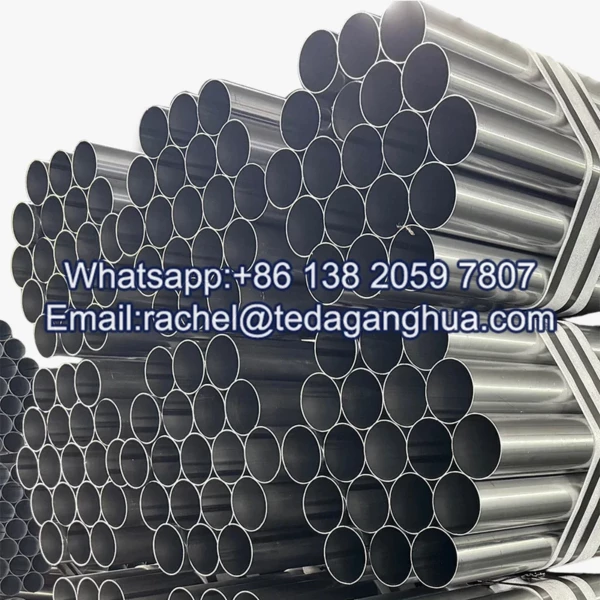
- Description
Description
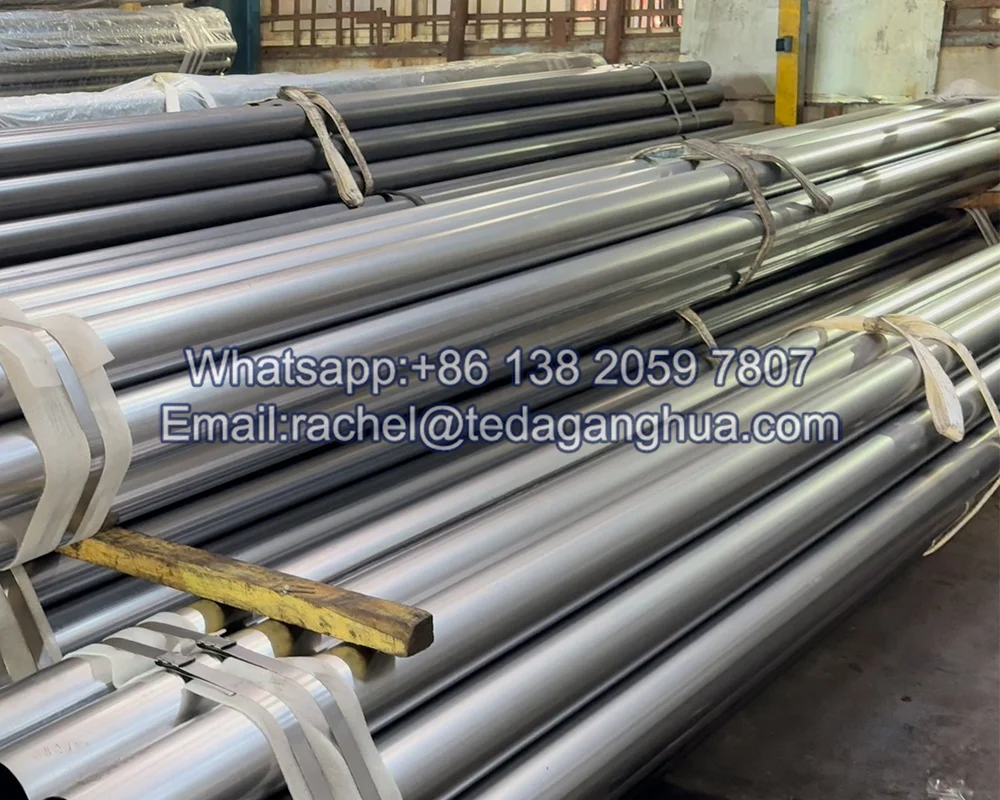
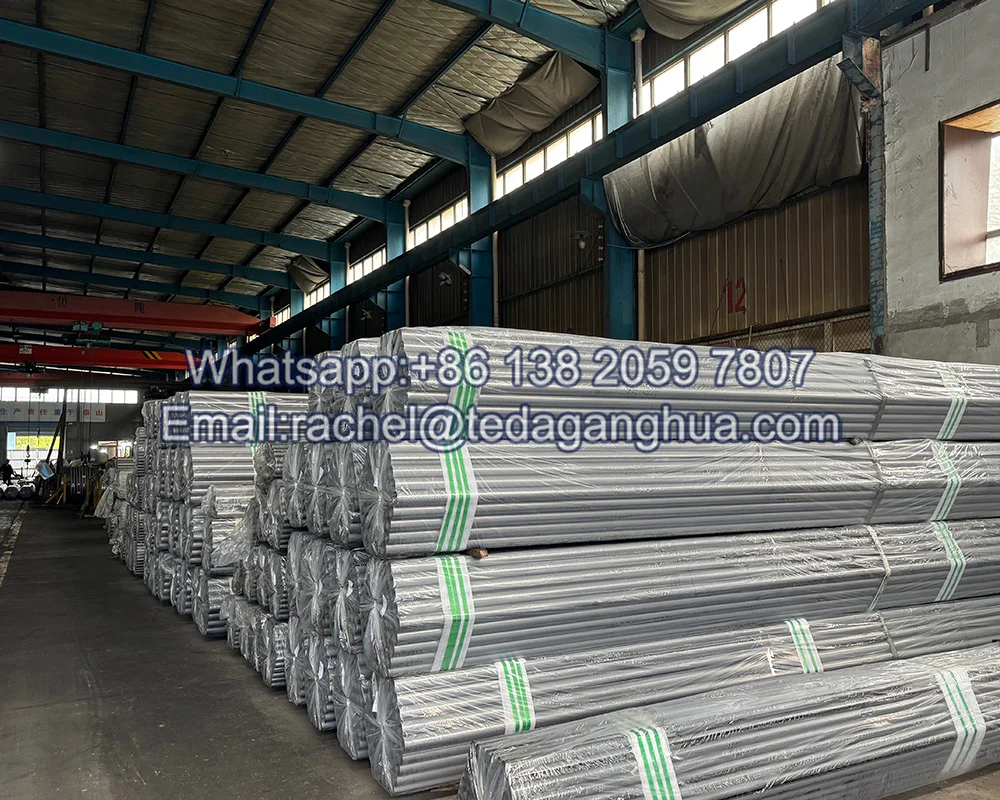
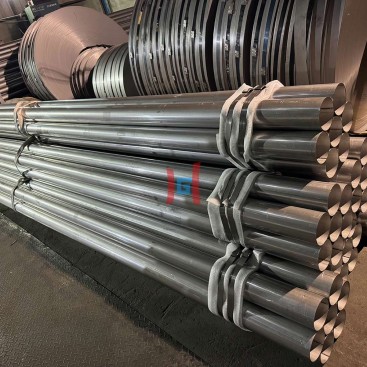
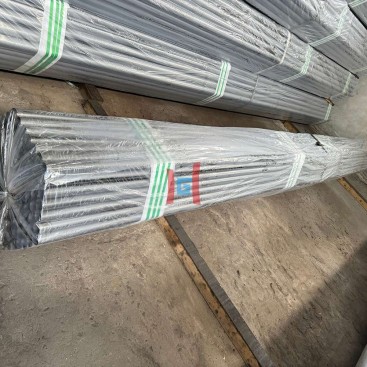
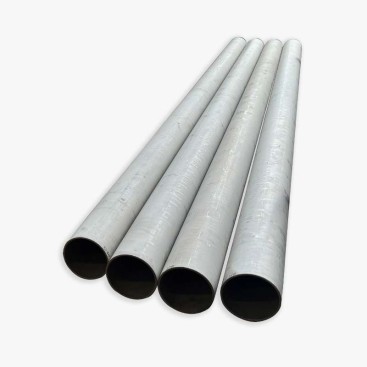
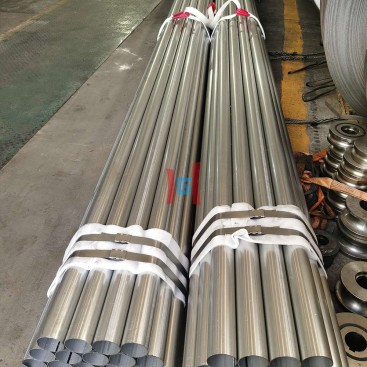
High frequency welded aluminized steel pipe describes a welded pipe product by referring to its heating and joining method. ERW, by comparison, is a broader welding-process term commonly used for pipes manufactured by continuously forming steel strip and joining its edges through electrical resistance heating and pressure.
These two terms are related, but they describe different levels of the welding process. High frequency welding usually falls within the broader ERW category, although the exact classification should be confirmed through the supplier’s manufacturing description and the purchase specification.
For buyers, the distinction is not simply about choosing the correct abbreviation. Different welding methods can produce different weld characteristics and potential defects, which means inspection requirements should match the actual manufacturing process.
1. Start with the Welding Family: What Does Each Term Describe?
The word welded is the general term for products made by joining separate material edges or sections. ERW, SAW, and laser welding describe different welding process families or methods. HFI and HFW are commonly used terms associated with high-frequency induction or high-frequency welding.
The following hierarchy provides a practical way to understand their relationship.
2. Welding Process Hierarchy: From Welded Pipe to Specific Methods
Electric resistance welding — a broad process category commonly associated with continuous tube forming and resistance-based joining
Electrical current is introduced through contact electrodes.
HFI; commonly described as HFW in pipe terminology.
Submerged arc welding, commonly used for large-diameter or heavy-wall pipe applications.
A concentrated heat-source process used in suitable thin-wall and precision applications.
This is a simplified terminology guide, not a universal standards classification. Exact process names and classifications depend on the manufacturing route and applicable specification.
The important distinction is that ERW describes a broader welding category, while high frequency identifies a particular way of generating heat for the joining process. HFI refers specifically to induction heating; HFW is a commonly used pipe-industry abbreviation for high-frequency welding.
3. ERW: The Broader Resistance-Welding Category
ERW stands for electric resistance welding. In common pipe-industry usage, it refers to a process in which steel strip is continuously formed into a tubular shape and the edges are joined using electrical resistance heating and applied pressure.
The electrical current generates heat at the joining edges. The edges are then brought together under pressure to form the longitudinal weld seam.
Different equipment arrangements can introduce current into the material in different ways. Contact systems use electrodes, while induction systems use an induction coil to generate current in the material without direct electrical contact between the coil and the strip.
What Buyers Should Take from the Term ERW
- It identifies the broad resistance-welding process family.
- It indicates that the product has a longitudinal joining seam in the usual welded-tube context.
- It does not, by itself, identify every detail of the heating arrangement.
- It does not establish weld acceptance criteria or coating treatment requirements.
4. HFI and HFW: What Does High Frequency Add?
High-frequency induction welding uses an induction coil to generate high-frequency electrical current in the edges of the formed steel strip. The current heats the joining edges, which are then pressed together to form the weld.
In pipe manufacturing descriptions, HFI generally emphasizes the induction method used to generate the current. HFW is commonly used to describe high-frequency welded pipe. In many commercial contexts, the terms are closely associated, but buyers should confirm the supplier’s exact process description rather than assume that every abbreviation is being used identically.
High-frequency welding is commonly applied in continuous pipe production. Its process parameters, edge condition, heating control, and squeeze pressure all influence the resulting weld seam.
Terminology rule: HFW usually falls within the broader ERW category. Whether a supplier uses ERW, HFI, or HFW should be confirmed through its manufacturing process description and the agreed order terminology.
5. SAW: A Different Welding Process Family
SAW stands for submerged arc welding. Unlike resistance welding, it uses an electric arc between an electrode and the workpiece, with the welding zone protected beneath a layer of granular flux.
SAW is widely associated with large-diameter and heavy-wall pipe manufacturing. Depending on the product and production route, the weld may be longitudinal or spiral.
Because the heat source and welding mechanism differ from ERW, the potential weld discontinuities and appropriate inspection methods also differ. Buyers should not simply copy an ERW inspection checklist and apply it to a SAW pipe without reviewing the applicable product specification.
6. Laser Welding: A Separate Joining Method
Laser welding uses a concentrated laser beam as the heat source. It can provide a narrow weld zone and precise heat input when the material, thickness, joint preparation, and production equipment are suitable.
It is used in selected thin-wall and precision tube applications. However, laser welding is not simply another name for ERW or high-frequency welding. Its process characteristics and inspection considerations are different.
7. Why Welding Method Matters More Than the Abbreviation
The actual manufacturing method influences the type of weld discontinuities that may occur and the tests that are appropriate for evaluating them.
For example, resistance-welded pipe requires attention to edge preparation, heating, joining pressure, and the integrity of the longitudinal seam. SAW requires attention to arc welding conditions, flux management, and potential weld-metal discontinuities. Laser welding has its own process-specific concerns, including joint fit-up and control of the concentrated heat source.
| Process Term | Process Characteristic | Inspection Focus |
|---|---|---|
| ERW / HFW | Continuous forming and resistance-based joining in common pipe production. | Weld bonding, seam integrity, dimensional condition, and process-specific testing. |
| SAW | Arc welding under granular flux. | Weld-metal integrity, fusion, penetration, and applicable nondestructive testing. |
| Laser welding | Concentrated laser energy joins the material edges. | Joint fit-up, weld continuity, penetration, and process-specific defects. |
Potential inspection methods may include visual examination, dimensional checks, flattening or flaring tests, pressure or leak testing, and suitable nondestructive examination. The correct selection depends on the pipe’s intended service, dimensions, material, manufacturing method, and governing standard.
There is no universal rule that one welding abbreviation automatically requires one fixed test package. The purchase specification should connect the actual process to the applicable inspection standard and acceptance criteria.
8. The Additional Issue for Aluminized Pipe: Coating Around the Weld
When aluminized steel pipe is produced from pre-coated strip, the welding process creates another inspection concern beyond weld integrity.
The original aluminum-based coating is interrupted at the strip edges where the longitudinal seam is formed. Welding heat may also cause discoloration or local damage to the coating near the seam.
This means buyers should distinguish between two independent questions:
- Weld quality: Does the seam meet the specified mechanical, pressure, or leakage requirements?
- Coating condition: How are the interrupted and heat-affected coating areas treated and inspected?
For pre-coated strip production, the purchase order should state the required weld-area coating repair method, coverage, appearance requirements, and any additional acceptance checks. A satisfactory weld test does not automatically prove that the coating around the seam is acceptable.
9. What Buyers Should Write in the Inquiry
Instead of relying only on a product name such as high frequency welded aluminized steel pipe, buyers should identify the process and define the corresponding inspection requirements.
| Inquiry Item | Information to Confirm |
|---|---|
| Welding process | ERW, HFI, HFW, SAW, laser, or the supplier’s specific manufacturing description. |
| Weld inspection | Applicable test methods, sampling basis, and acceptance criteria. |
| Coating treatment | Whether strip is pre-coated or pipe is coated after fabrication, and how the weld area is treated. |
| Finished dimensions | Outside diameter, wall thickness, length, tolerances, and relevant end requirements. |
| Documentation | Material test certificates and inspection records required by the order. |
A useful inquiry can state that the buyer requires a high-frequency welded product, while asking the supplier to confirm the exact process designation, applicable manufacturing standard, weld inspection requirements, and coating treatment around the seam.
10. Teda Ganghua Metal: Welding and Coating Specification Support
Teda Ganghua Metal is a steel stockist based in Tianjin TEDA, with 20 years of stockist and export experience. The company supports industrial buyers with material sourcing, specification coordination, and export supply services.
For aluminized steel pipe projects, buyers should confirm the actual welding method rather than relying only on a product abbreviation. This helps align the manufacturing description with the correct weld inspection requirements and coating treatment expectations.
Teda Ganghua Metal can coordinate material grade confirmation, dimensional requirements, material test certificates, and third-party inspection arrangements according to the agreed purchase specification. Buyers are welcome to arrange inspections to verify the supplied products against the contract.
Explore our aluminized steel tubes product category to discuss manufacturing methods, coating requirements, and inspection arrangements for your project.
Clear communication about the welding process, weld acceptance, and coating treatment helps both buyer and supplier establish practical quality requirements before production and shipment.
Frequently Asked Questions
1. Is high-frequency welding the same as ERW?
Not exactly at the terminology level. ERW describes a broader resistance-welding category, while high frequency identifies a heating method commonly used within that category. High-frequency welding usually falls within ERW, but the supplier’s actual process description and order requirements should determine the precise terminology.
2. What do HFI and HFW mean?
HFI generally refers to high-frequency induction welding, emphasizing the induction method used to generate current in the material. HFW is commonly used to describe high-frequency welded pipe. Their exact usage should be confirmed with the manufacturer.
3. Is SAW part of ERW?
No. SAW is submerged arc welding, which uses an electric arc and granular flux. It is a different welding process from resistance welding and requires inspection requirements appropriate to its manufacturing method.
4. Why does the welding method affect inspection?
Different welding processes have different heat sources, joining mechanisms, and potential discontinuities. The appropriate inspection methods should therefore be selected according to the actual manufacturing process, product application, and governing standard.
5. Does a high-frequency welded aluminized pipe need weld-area coating repair?
It depends on the manufacturing route and coating condition. When pre-coated strip is formed and welded, the original coating is interrupted at the seam and nearby coating may be affected by heat. Buyers should specify the required repair method and acceptance criteria where coating restoration is necessary.