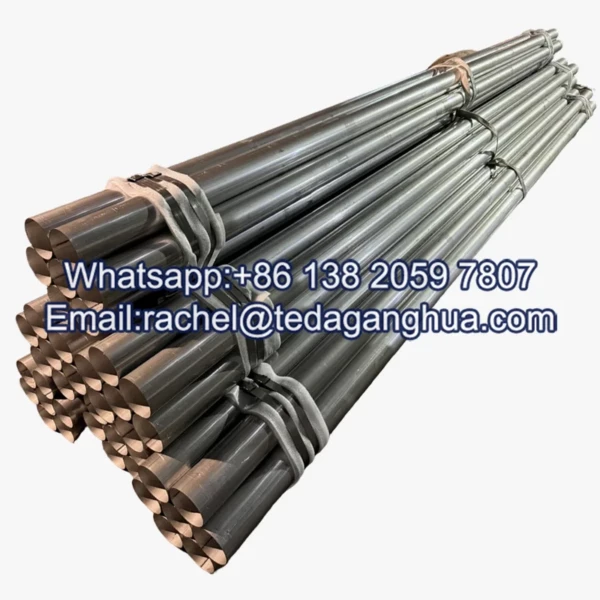
- Description
Description
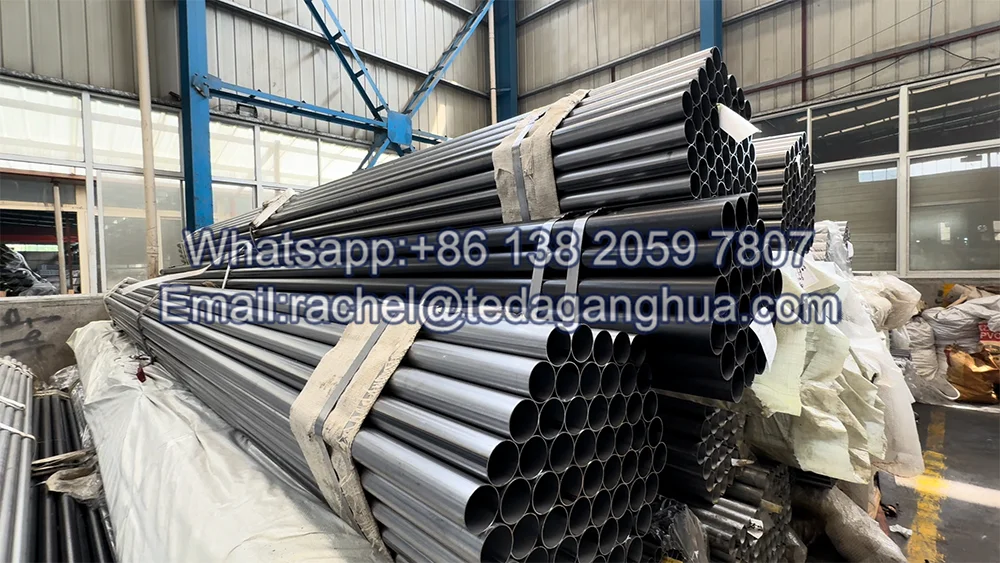
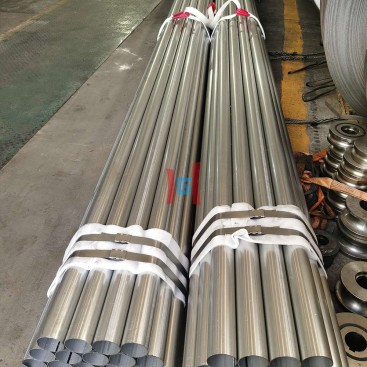
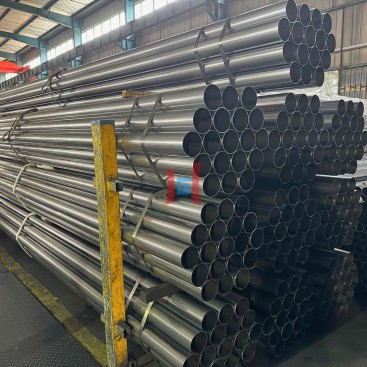
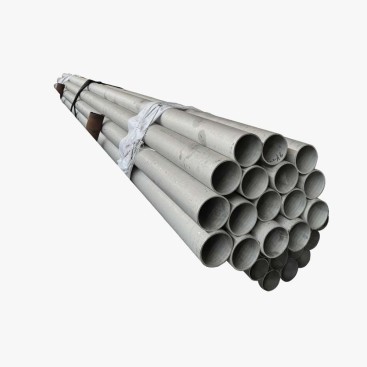
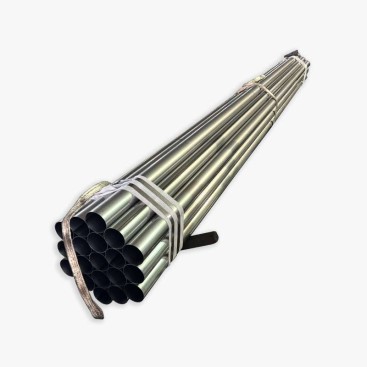
SA1C aluminized steel tube is a commercial-grade material option for tubular components that require a defined steel substrate and an aluminum-based protective coating. However, specifying SA1C alone does not provide enough information for a complete purchasing decision. Buyers still need to determine the coating mass, surface treatment, tube dimensions, dimensional tolerances, and applicable product standards. Understanding the substrate designation is the first step toward preparing a complete and technically clear material inquiry.
1. What Is SA1C in Aluminized Steel?
SA1C is a commercial-grade substrate designation associated with JIS G3314, the Japanese Industrial Standard covering hot-dip aluminum-coated steel sheets and strips. The designation identifies the substrate grade within the relevant material specification; it does not independently define every property of a finished tube or establish the required coating mass.
The distinction between SA1C and SA1D is primarily related to the intended forming class. SA1C is associated with commercial-grade applications, while SA1D is associated with deep-drawing applications. The complete grade definitions, mechanical requirements, and acceptance criteria must be verified against the applicable edition of the standard and the supplier’s material documentation.
| Specification item | SA1C | SA1D |
|---|---|---|
| Grade category | Commercial grade | Deep-drawing grade |
| Primary selection consideration | Requirements compatible with commercial-grade forming | More demanding drawing and forming operations |
| Coating mass | Must be specified separately | Must be specified separately |
| Tube dimensions | Must be specified for the finished product | Must be specified for the finished product |
Choosing between these substrate grades should depend on the component’s forming requirements and verified material properties, rather than a general assumption that one grade always offers better overall quality. For simple bending, roll forming, and suitable tube-making operations, a commercial-grade substrate may be sufficient. More demanding drawing geometries may require the deep-drawing grade.
2. Why SA1C Alone Is Not a Complete Purchasing Specification
A material inquiry containing only the grade designation leaves three essential groups of requirements undefined. Without them, different suppliers may offer materials with different coating masses, surface conditions, and dimensions, making technical and commercial comparisons unreliable.
1. Coating Mass
Specify the required coating designation, such as AS40, AS60, AS80, AS120, or AS150, where applicable to the agreed coating system. Confirm whether the stated mass represents both coated sides combined or another specified measurement basis.
2. Surface Treatment
Define whether the material should be oiled, passivated, supplied with an anti-fingerprint treatment, or delivered in another agreed surface condition. Confirm compatibility with welding, forming, storage, and subsequent finishing.
3. Dimensions and Tolerances
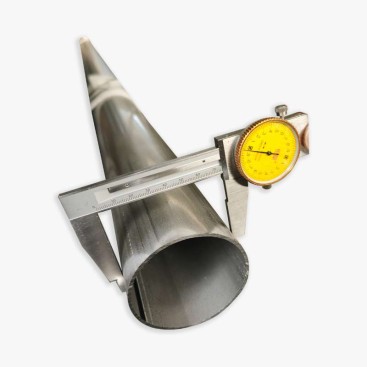
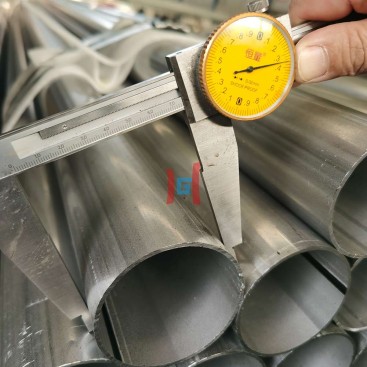
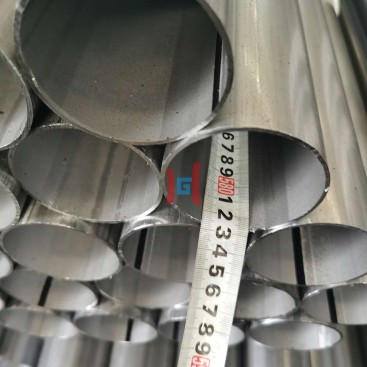
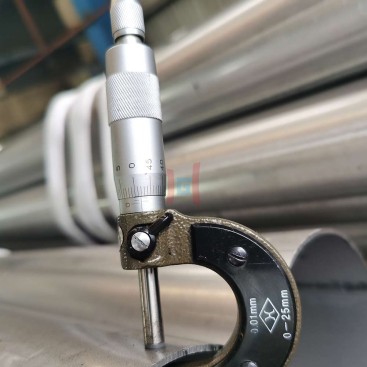
For tubes, specify outside diameter, wall thickness, length, and tolerances. For flat products, specify thickness, width, and any required coil or sheet dimensions.
These details affect material suitability, fabrication performance, inspection, and purchasing cost. A higher coating mass may provide additional protective reserve under suitable conditions, but the resulting service life depends on the actual environment. Surface treatments can also influence downstream processes, so they should be selected according to the intended application rather than added without consideration.
3. How to Specify the Coating Mass
The required coating mass should be selected according to the exposure environment, expected component life, fabrication process, and applicable coating standard. Different designations should not be treated as interchangeable without confirming the coating system and measurement basis.
| Coating designation | What to confirm | Selection consideration |
|---|---|---|
| AS40 | Applicable coating system and specified mass basis | Assess whether the coating requirement is sufficient for the intended exposure. |
| AS60 | Coating mass and acceptance criteria | Compare protective requirements with fabrication needs. |
| AS80 | Combined or per-side measurement basis | Evaluate as a potential balance between coating protection and material utilization. |
| AS120 | Specified coating mass and distribution | Consider where additional coating reserve is justified by the operating environment. |
| AS150 | Standard compatibility and supplier confirmation | Confirm availability, forming performance, and application-specific requirements. |
The designations above are inquiry options, not a guarantee that every coating mass is available under every standard or compatible with every substrate and tube-making route. Buyers should obtain confirmation of the applicable standard, coating composition, mass definition, and inspection method before placing an order.
4. Surface Treatment: Oiled, Passivated, or Anti-Fingerprint
The surface condition can influence storage behavior, forming, welding, and subsequent finishing. The appropriate treatment depends on how the tube will be manufactured and used.
Oiled Surface
A suitable oil film may help limit corrosion during storage and transportation. However, oil can affect welding, bonding, painting, and other downstream processes. Specify whether oil is permitted and whether cleaning is required before fabrication.
Passivated Surface
Passivation or other chemical post-treatment may be used to improve handling or storage performance, depending on the coating system. Buyers should identify the required treatment and verify its compatibility with forming, welding, environmental requirements, and subsequent finishing.
Anti-Fingerprint Treatment
Anti-fingerprint treatments are generally associated with particular surface appearance and handling requirements. They should not be assumed to be suitable for every aluminized steel product. Confirm the intended treatment, performance expectations, and compatibility with heat exposure and fabrication.
For tube applications, also clarify whether the requested surface condition applies to the incoming flat material, the external tube surface, the internal surface, or all accessible surfaces after manufacturing.
5. Typical Applications of SA1C Aluminized Steel Tube
A commercial-grade substrate may be appropriate for tubular components involving relatively straightforward forming, provided the specified material properties satisfy the design requirements. Potential application categories include:
- General heat-resistant tubular parts: Components exposed to moderate or application-qualified thermal conditions where the selected coating system is suitable.
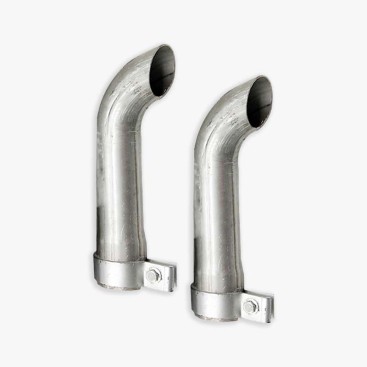
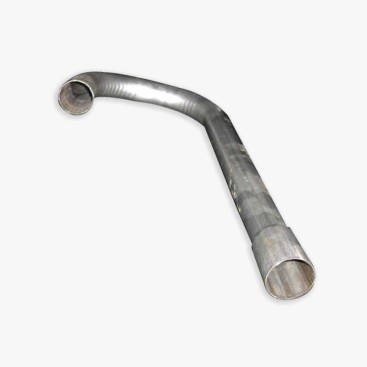
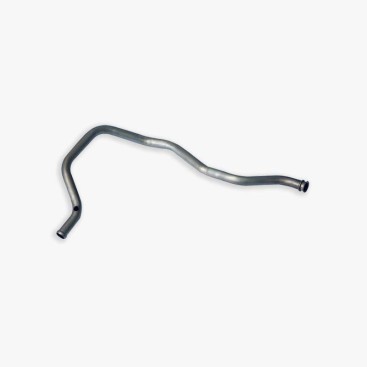
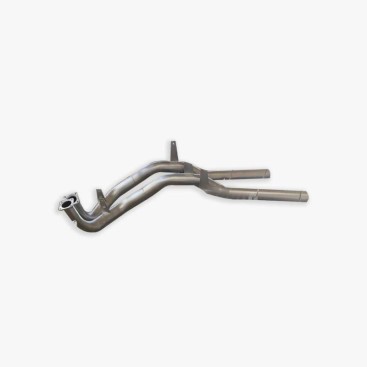
- Simply formed exhaust components: Selected exhaust pipes and related parts involving bending or roll forming rather than demanding deep drawing.
- Building and appliance tubing: Tubular components where coating protection, dimensional consistency, and surface requirements are compatible with the intended environment.
- Non-deep-drawn structural parts: Applications using relatively straightforward fabrication methods and verified structural properties.
These applications require individual qualification. Aluminum-silicon coating performance depends on exposure temperature, atmosphere, thermal cycling, coating integrity, and the presence of corrosive substances. Material selection should therefore be based on the actual service conditions rather than the grade designation alone.
6. SA1C Aluminized Steel Tube RFQ Supplementary Form
If a buyer specifies only SA1C, the next step is to complete the missing requirements. The following checklist can be included in an inquiry to help suppliers evaluate the intended material and finished tube more consistently.
| RFQ field | Information to provide | Why it matters |
|---|---|---|
| Substrate grade | SA1C and complete applicable standard | Establishes the intended material specification. |
| Coating mass | Required designation and measurement basis | Defines the coating requirement. |
| Surface treatment | Oiled, passivated, anti-fingerprint, or another agreed condition | Supports storage and fabrication compatibility. |
| Tube dimensions | Outside diameter × wall thickness × length | Defines finished-product geometry. |
| Tolerances | Dimensional tolerances, ovality, and straightness as required | Prevents mismatches during assembly and installation. |
| Manufacturing route | Tube-making method and weld requirements | Clarifies seam quality and coating protection. |
| Service conditions | Operating temperature, atmosphere, moisture, and chemicals | Supports coating and material suitability assessment. |
| Inspection documents | Material certificate, coating inspection, and dimensional report as required | Defines verification and traceability requirements. |
For sheet or coil rather than finished tubing, replace the tube dimensions with thickness × width, together with coil or sheet requirements. If the material will undergo significant bending, drawing, or welding, include the component geometry and fabrication process in the inquiry.
7. Sourcing Support from Teda Ganghua
Teda Ganghua supports industrial procurement inquiries for coated steel products and tubular applications. When a project specification states SA1C without a coating mass or finished-product dimensions, the purchasing team should first establish the required coating system, surface condition, tube size, manufacturing route, and service environment.
Explore aluminized steel tubes and submit your dimensional and technical requirements for review. Providing a complete inquiry helps clarify the intended substrate grade, coating specification, inspection documents, and manufacturing requirements before order confirmation.
A complete specification supports more meaningful supplier comparisons and reduces the risk of receiving material that meets the requested substrate designation but does not match the coating, dimensions, or fabrication requirements of the finished component.
Frequently Asked Questions
1. What does SA1C mean in aluminized steel?
SA1C is a commercial-grade substrate designation associated with JIS G3314 for hot-dip aluminum-coated steel sheets and strips. The full grade requirements should be verified against the applicable standard and material documentation.
2. Is SA1C enough information to order aluminized steel tube?
No. Buyers should also specify the coating system and mass, surface treatment, outside diameter, wall thickness, length, tolerances, manufacturing method, and applicable finished-product requirements.
3. What is the difference between SA1C and SA1D?
SA1C is associated with commercial-grade applications, whereas SA1D is associated with deep-drawing applications. The selection depends on forming demands and verified material properties rather than a blanket ranking of quality.
4. Which coating mass should be specified?
The appropriate coating mass depends on the exposure environment, required protective performance, fabrication process, and applicable coating standard. Confirm the coating designation and whether the specified mass is a two-sided total or another measurement basis.
5. Can SA1C aluminized steel be used for exhaust components?
It may be suitable for selected exhaust components involving relatively simple forming, provided the substrate, coating, and finished tube meet the actual operating requirements. Temperature, thermal cycling, condensate exposure, weld integrity, and coating durability should all be evaluated.