- คำอธิบาย
คำอธิบาย
Hot-Dip Aluminizing Process Demystified: How Steel Pipe Gets Its Aluminum Armor
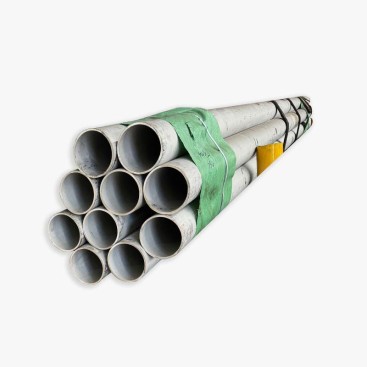
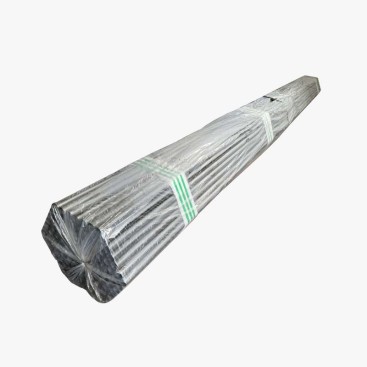
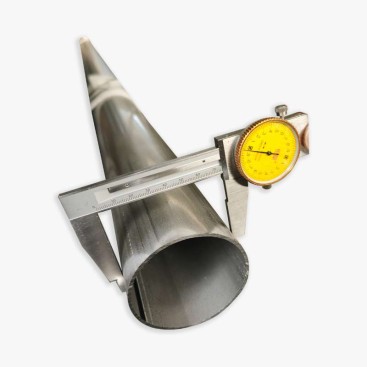
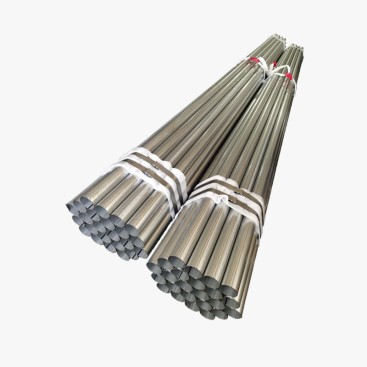
Hot-dip aluminized steel pipe is produced through a controlled metallurgical process that bonds aluminum (or aluminum-silicon alloy) to a steel substrate. This creates a durable protective “armor layer” that significantly improves ความต้านทานความร้อน, ความต้านทานออกซิเดชัน, and service life in demanding industrial environments such as automotive exhaust systems, เครื่องแลกเปลี่ยนความร้อน, and furnace piping.
Unlike painting or coating sprays, hot-dip aluminizing is a metallurgical diffusion process, meaning the coating becomes partially integrated with the steel surface at the atomic level.
1. Full Hot-Dip Aluminizing Process Flow
| ขั้นตอน | Process Description |
|---|---|
| 1. Surface Cleaning (การล้างไขมัน) | Removes oil, ฝุ่น, and surface contaminants from steel pipe |
| 2. Acid Pickling | Removes oxide scale and activates the steel surface for coating |
| 3. Fluxing (助镀处理) | Prevents re-oxidation and improves coating adhesion |
| 4. Hot-Dip Immersion (~680°C) | Steel pipe is immersed into molten aluminum or Al-Si alloy bath |
| 5. Metallurgical Reaction | Iron reacts with aluminum forming Fe-Al intermetallic layers |
| 6. Withdrawal & Cooling | Controlled extraction and air cooling to stabilize coating structure |
2. What Happens at 680°C? (Core Science)
| Phenomenon | ผลลัพธ์ |
|---|---|
| Iron-Aluminum Diffusion | Forms intermetallic compound layers (Fe-Al phases) |
| Surface Alloying | Creates strong metallurgical bonding instead of simple adhesion |
| Silicon Addition (Al-Si bath) | Improves coating fluidity and reduces brittle layer formation |
This diffusion reaction is what makes hot-dip aluminized coatings far more durable than conventional paint or electroplating.
3. โครงสร้างการเคลือบ (Cross-Section Model)
| ชั้น | การทำงาน |
|---|---|
| Outer Al-Si Layer | Primary oxidation and corrosion protection barrier |
| เลเยอร์ intermetallic | Hard transition zone ensuring bonding strength |
| Steel Substrate | ความแข็งแรงทางกลและการรองรับโครงสร้าง |
The graded structure prevents peeling and ensures long-term stability under thermal cycling.
4. Why This Process Is Used for Steel Pipe
| Requirement | Benefit of Hot-Dip Aluminizing |
|---|---|
| High Temperature Exposure | Stable performance up to ~800°C |
| ความต้านทานต่อการเกิดออกซิเดชัน | Prevents scaling in exhaust and furnace environments |
| Cost Optimization | Cheaper than stainless steel alternatives |
| ความแข็งแรงเชิงกล | Retains carbon steel’s load-bearing capacity |
5. การใช้งานทางอุตสาหกรรม
| อุตสาหกรรม | แอปพลิเคชัน |
|---|---|
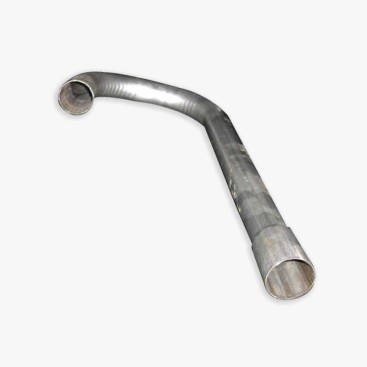
| เกี่ยวกับยานยนต์ | ท่อไอเสีย, ท่อไอเสีย, ท่อแคทตาไลติกคอนเวอร์เตอร์ |
| Heat Exchange Systems | Thermal transfer piping and ducts |
| Industrial Furnaces | ท่อส่งก๊าซอุณหภูมิสูง |
| พลังงาน & เครื่องปรับอากาศ | Flue gas and ventilation systems |
6. ทำไมผู้ซื้อถึงเลือก Teda Ganghua
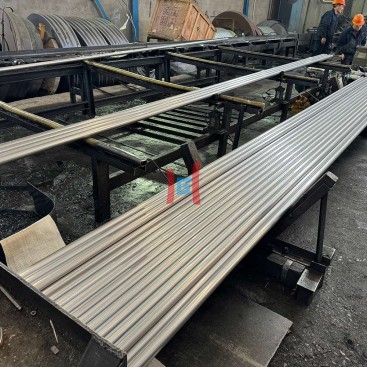
ที่ เทดา กังฮวา, we supply hot-dip aluminized steel pipes with stable coating thickness, controlled Al-Si composition, and reliable metallurgical bonding for industrial-grade performance.
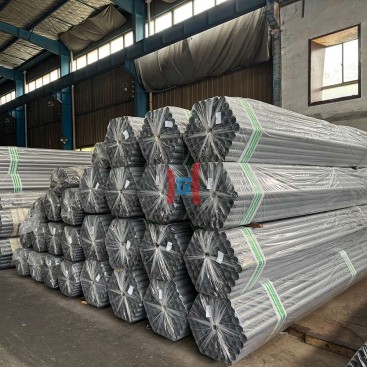
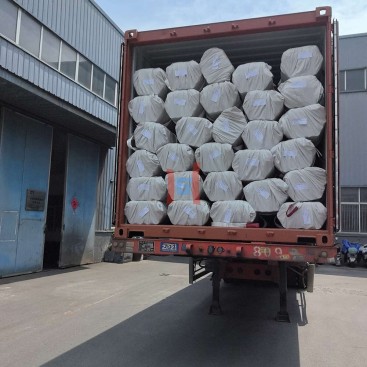
เราสนับสนุนการตัด OEM, ดัด, และโซลูชั่นบรรจุภัณฑ์ส่งออกครบวงจรสำหรับลูกค้าอุตสาหกรรมยานยนต์และอุตสาหกรรมทั่วโลก.
สำรวจผลิตภัณฑ์ท่อเหล็กอลูมิไนซ์ของเราที่นี่:
ผลิตภัณฑ์ท่อเหล็กอลูมิไนซ์
บทสรุป
กระบวนการอะลูมิไนซ์แบบจุ่มร้อนจะเปลี่ยนท่อเหล็กธรรมดาให้เป็นวัสดุประสิทธิภาพสูงพร้อม "เกราะ" อะลูมิเนียม ผ่านการทำความสะอาดด้วยกรด, ฟุ้งซ่าน, แช่ที่อุณหภูมิ ~ 680°C, และควบคุมความเย็น, การเคลือบโลหะวิทยาที่ทนทานเกิดขึ้นซึ่งช่วยให้อายุการใช้งานยาวนานในสภาพแวดล้อมที่รุนแรง.